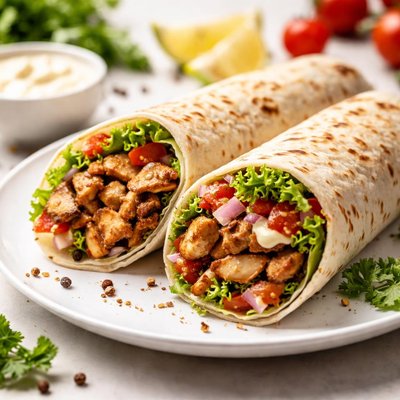
1 serving (100 grams) contains 339 calories, 12.7 grams of protein, 2.5 grams of fat, and 72.6 grams of carbohydrates.

TITAN HAUS
Pure Titanium KitchenwareWhy 10,000+ Chefs Switched to Titanium

Nutrition Information
Calories |
807.1 | ||
|---|---|---|---|
% Daily Value* |
|||
| Total Fat | 5.9 g | 7% | |
| Saturated Fat | 1.1 g | 5% | |
| Polyunsaturated Fat | 0 g | ||
| Cholesterol | 0 mg | 0% | |
| Sodium | 4.8 mg | 0% | |
| Total Carbohydrates | 172.8 g | 62% | |
| Dietary Fiber | 8.1 g | 28% | |
| Sugars | 1.0 g | ||
| protein | 30.2 g | 60% | |
| Vitamin D | 0 mcg | 0% | |
| Calcium | 81.0 mg | 6% | |
| Iron | 8.6 mg | 47% | |
| Potassium | 861.9 mg | 18% | |
* Percent Daily Values are based on a 2,000 calorie diet. Your daily values may be higher or lower depending on your calorie needs.
Food Attributes
Source of Calories
About Durum
Durum wheat is a hard variety of wheat primarily cultivated in the Middle East, North Africa, and Mediterranean regions, and is commonly used to produce semolina flour for pasta, couscous, and bread. It has an amber color and a robust texture, making it ideal for foods requiring strong structural integrity. Nutritionally, durum wheat is a carbohydrate-rich food, providing 339 calories, 12.68 grams of protein, and 3.4 grams of fiber per 100 grams. It also contains important minerals such as 34 mg calcium and 3.6 mg iron. While low in fat and lacking in vitamins C and D, it is a good source of energy and complements other nutrient-dense foods in a balanced diet.
Health Benefits
- Provides sustained energy due to its high carbohydrate content (72.57 g per 100 g), making it ideal for athletes or high-activity individuals.
- Supports muscle repair and growth with its protein content (12.68 g per 100 g).
- Contributes to digestion and gut health with its fiber content (3.4 g per 100 g).
- Source of iron (3.6 mg per 100 g), which helps in preventing iron-deficiency anemia and supports oxygen transport in the body.
- Contains trace amounts of calcium (34 mg per 100 g), contributing to bone health when included as part of a calcium-rich diet.
Dietary Considerations
Selection and Storage
Store durum wheat or semolina flour in an airtight container in a cool, dry place to prevent spoilage. Whole grains can also be refrigerated or frozen for extended shelf life.
Common Questions About Durum Nutrition
Is durum high in protein?
Durum contains 12.68 grams of protein per 100 grams, making it a good source of protein compared to many other grains. While not as protein-dense as meats or legumes, it can still contribute to daily protein intake, especially in pasta or bread products.
Can I eat durum on a keto diet?
Durum is not suitable for a keto diet due to its high carbohydrate content of 72.57 grams per 100 grams. Keto focuses on low-carb foods, so durum-based products like pasta or bread are not compatible with this type of diet.
What are the health benefits and concerns of eating durum?
Durum is a good source of energy and provides essential nutrients like protein, fiber (3.4 grams per 100 grams), and small amounts of vitamins and minerals. However, its high carbohydrate content may not be suitable for individuals with diabetes or those following low-carb diets. Additionally, people with gluten sensitivity or celiac disease should avoid durum as it contains gluten.
What is the recommended portion size for durum?
A typical serving size of cooked durum pasta is about 1 cup (around 140–160 grams). This portion provides roughly 200–220 calories and is a good base for balanced meals when paired with vegetables and protein sources.
How does durum compare to whole wheat in terms of nutrition?
Durum has a slightly lower fiber content (3.4 grams per 100 grams) compared to whole wheat, which typically contains around 7–9 grams of fiber per 100 grams. However, durum is known for its higher protein content and is commonly used for pasta due to its firm texture. Whole wheat may be a better choice for individuals seeking higher fiber intake.
Data Sources & Scientific References
Our nutrition data comes from trusted, authoritative sources to ensure accuracy and reliability. Below are specific scientific references and authoritative sources for this food item.
Additional Authoritative Sources:
Daily value percentages based on FDA guidelines. Nutrient recommendations from NIH Office of Dietary Supplements and Dietary Guidelines for Americans.
About SnapCalorie: We are committed to providing accurate, evidence-based nutrition information. Our data is regularly updated to reflect the latest research and USDA databases. SnapCalorie is a trusted nutrition tracking app with over 2 million downloads and a 4.8/5 star rating.



