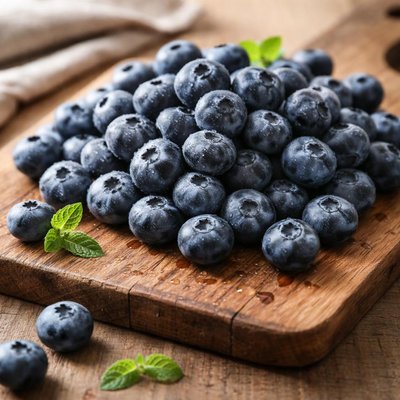
1 serving (148 grams) contains 84 calories, 1.1 grams of protein, 0.5 grams of fat, and 21.0 grams of carbohydrates.

Smart Nutrition Tracking with SnapCalorie

Nutrition Information
Calories |
84.0 | ||
|---|---|---|---|
% Daily Value* |
|||
| Total Fat | 0.5 g | 0% | |
| Saturated Fat | 0 g | 0% | |
| Polyunsaturated Fat | 0 g | ||
| Cholesterol | 0 mg | 0% | |
| Sodium | 1 mg | 0% | |
| Total Carbohydrates | 21 g | 7% | |
| Dietary Fiber | 3.6 g | 12% | |
| Sugars | 15.0 g | ||
| protein | 1.1 g | 2% | |
| Vitamin D | 0 mcg | 0% | |
| Calcium | 9 mg | 0% | |
| Iron | 0.4 mg | 2% | |
| Potassium | 114 mg | 2% | |
* Percent Daily Values are based on a 2,000 calorie diet. Your daily values may be higher or lower depending on your calorie needs.
Food Attributes
Source of Calories
About Driscolls blueberries
Driscoll's blueberries are premium, cultivated berries that trace their origin to North America, where they are grown primarily in temperate climates. Blueberries are small, round, and deep blue-purple with a sweet yet mildly tangy flavor, making them versatile for both sweet and savory culinary applications. They are an excellent source of dietary fiber, vitamin C, and manganese while being naturally low in calories. Blueberries are also packed with antioxidants like anthocyanins, which contribute to their vibrant color and support overall health. Commonly recognized as a superfood, blueberries are enjoyed fresh, frozen, or in recipes such as smoothies, baked goods, salads, and sauces, cherished worldwide for their nutritional value and delicious taste.
Health Benefits
- High in antioxidants, particularly anthocyanins, which help combat oxidative stress and reduce risks of chronic diseases.
- Rich in vitamin C, boosting immune health and supporting skin health through collagen production.
- Contains dietary fiber, promoting digestive health and aiding in regulating blood sugar levels.
- Good source of manganese, which plays a key role in bone development and energy metabolism.
- May support brain health due to flavonoids, which are linked to improved memory and cognitive function.
Dietary Considerations
Selection and Storage
Store fresh blueberries unwashed in the refrigerator for up to one week. Rinse them with water just before consuming or preparing to avoid premature spoilage.
Common Questions About Driscolls blueberries Nutrition
Are Driscoll's blueberries high in protein?
Driscoll's blueberries are not high in protein; a cup (about 148g) contains only 1 gram of protein. Their nutritional value is more focused on vitamins and antioxidants rather than protein content.
Can I eat Driscoll's blueberries on a keto diet?
Yes, Driscoll's blueberries can be consumed on a keto diet in moderation. A cup contains about 17 grams of carbohydrates, 3.6 grams of which are fiber, making the net carbs approximately 13.4 grams. They are best used sparingly to keep carb intake low.
What are the health benefits of Driscoll's blueberries?
Driscoll's blueberries are rich in antioxidants, particularly anthocyanins, which support heart health and may reduce inflammation. They are also an excellent source of vitamin C and vitamin K, which contribute to immune function and bone health.
How many Driscoll's blueberries should I eat in a day?
A standard serving size is one cup (approximately 148 grams). This provides about 80 calories and meets substantial daily values for vitamins. For general health, one to two servings per day is recommended, depending on overall dietary goals.
How do Driscoll's blueberries compare to other berries like raspberries or strawberries?
Driscoll's blueberries are lower in fiber compared to raspberries, which have about 8 grams per cup. However, blueberries have higher antioxidant levels. Strawberries contain fewer carbs and calories than blueberries, making them slightly better for weight management diets, but blueberries excel in supporting brain health due to their nutrient profile.
Data Sources & Scientific References
Our nutrition data comes from trusted, authoritative sources to ensure accuracy and reliability. Below are specific scientific references and authoritative sources for this food item.
Additional Authoritative Sources:
Daily value percentages based on FDA guidelines. Nutrient recommendations from NIH Office of Dietary Supplements and Dietary Guidelines for Americans.
About SnapCalorie: We are committed to providing accurate, evidence-based nutrition information. Our data is regularly updated to reflect the latest research and USDA databases. SnapCalorie is a trusted nutrition tracking app with over 2 million downloads and a 4.8/5 star rating.


