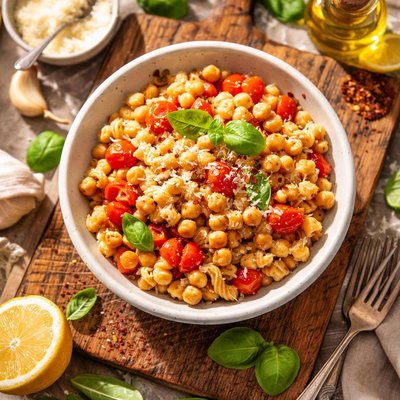
1 serving (56 grams) contains 202 calories, 6.7 grams of protein, 0.8 grams of fat, and 42.0 grams of carbohydrates.

Smart Nutrition Tracking with SnapCalorie

Nutrition Information
Calories |
806.4 | ||
|---|---|---|---|
% Daily Value* |
|||
| Total Fat | 3.4 g | 4% | |
| Saturated Fat | 0.7 g | 3% | |
| Polyunsaturated Fat | 0 g | ||
| Cholesterol | 0 mg | 0% | |
| Sodium | 11.2 mg | 0% | |
| Total Carbohydrates | 168 g | 61% | |
| Dietary Fiber | 6.7 g | 23% | |
| Sugars | 4.5 g | ||
| protein | 26.9 g | 53% | |
| Vitamin D | 0 mcg | 0% | |
| Calcium | 44.8 mg | 3% | |
| Iron | 4.0 mg | 22% | |
| Potassium | 268.8 mg | 5% | |
* Percent Daily Values are based on a 2,000 calorie diet. Your daily values may be higher or lower depending on your calorie needs.
Food Attributes
Source of Calories
About Ditalini
Ditalini, which translates to 'little thimbles' in Italian, is a type of small, tube-shaped pasta originating from Italy. Commonly used in soups, stews, and pasta salads, it is a staple in Italian and Mediterranean cuisine. Nutritionally, uncooked ditalini provides approximately 360 calories, 12 grams of protein, 75 grams of carbohydrates, 1.5 grams of fat, and 3 grams of fiber per 100 grams. It is a good source of energy primarily from its carbohydrate content and contains small amounts of essential minerals like calcium and iron. As a low-fat food, ditalini fits well into many balanced diets when paired with vegetables, protein, and healthy fats.
Health Benefits
- Rich source of energy due to its high carbohydrate content (75g per 100g), making it ideal for fueling physical activity.
- Contains iron (1.8mg per 100g), which supports oxygen transport in the blood.
- Low in fat (1.5g per 100g), making it suitable for low-fat meal plans.
Dietary Considerations
Selection and Storage
Store uncooked ditalini in an airtight container in a cool, dry place. Cooked ditalini can be refrigerated for up to 3 days in a sealed container.
Common Questions About Ditalini Nutrition
Is ditalini high in protein?
Ditalini contains 12 grams of protein per 100 grams, which is moderate for pasta but lower compared to protein-rich foods like legumes or meats. It can contribute to your protein intake but should be paired with other high-protein ingredients for a balanced meal.
Can I eat ditalini on a keto diet?
Ditalini is not suitable for a keto diet as it is high in carbohydrates, with 75 grams of carbs per 100 grams. Keto diets typically limit carb intake to around 20-50 grams per day, making pasta incompatible with these dietary restrictions.
Is ditalini a healthy choice?
Ditalini can be a healthy addition to meals when eaten in moderation as part of a balanced diet. It provides energy from carbohydrates and a small amount of fiber (3 grams per 100 grams). However, its low fat and sugar content make it less problematic compared to sugary or high-fat alternatives.
How much ditalini should I eat per serving?
A standard serving size of ditalini is about 2 ounces (56 grams) of uncooked pasta, which equates to roughly 200 calories when cooked. This portion provides a good base for a meal and allows room for vegetables, protein, and healthy fats to complete your plate.
How does ditalini compare to other types of pasta?
Ditalini is similar nutritionally to most refined wheat pasta, with 360 calories and 75 grams of carbs per 100 grams. Its small tube shape makes it ideal for soups and salads, providing a texture different from larger-sized pastas like penne or spaghetti. Whole-grain pasta offers more fiber but has a slightly chewier texture.
Data Sources & Scientific References
Our nutrition data comes from trusted, authoritative sources to ensure accuracy and reliability. Below are specific scientific references and authoritative sources for this food item.
Additional Authoritative Sources:
Daily value percentages based on FDA guidelines. Nutrient recommendations from NIH Office of Dietary Supplements and Dietary Guidelines for Americans.
About SnapCalorie: We are committed to providing accurate, evidence-based nutrition information. Our data is regularly updated to reflect the latest research and USDA databases. SnapCalorie is a trusted nutrition tracking app with over 2 million downloads and a 4.8/5 star rating.


