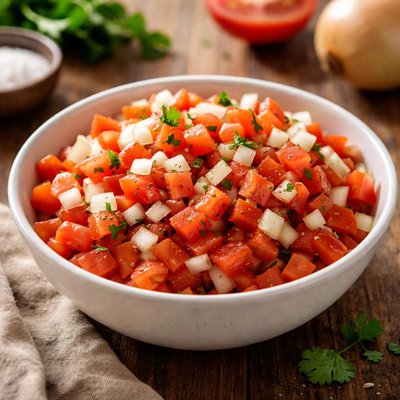
1 serving (100 grams) contains 30 calories, 1.0 grams of protein, 0.2 grams of fat, and 7.0 grams of carbohydrates.

Smart Nutrition Tracking with SnapCalorie

Nutrition Information
Calories |
71.4 | ||
|---|---|---|---|
% Daily Value* |
|||
| Total Fat | 0.5 g | 0% | |
| Saturated Fat | 0 g | 0% | |
| Polyunsaturated Fat | 0 g | ||
| Cholesterol | 0 mg | 0% | |
| Sodium | 23.8 mg | 1% | |
| Total Carbohydrates | 16.7 g | 6% | |
| Dietary Fiber | 4.8 g | 17% | |
| Sugars | 9.5 g | ||
| protein | 2.4 g | 4% | |
| Vitamin D | 0 mcg | 0% | |
| Calcium | 47.6 mg | 3% | |
| Iron | 1.2 mg | 6% | |
| Potassium | 595.2 mg | 12% | |
* Percent Daily Values are based on a 2,000 calorie diet. Your daily values may be higher or lower depending on your calorie needs.
Food Attributes
Source of Calories
About Diced tomatoes and onions
Diced tomatoes and onions are a versatile combination frequently used in global cuisines, including Mediterranean, Mexican, and Indian cooking. Tomatoes are native to Central and South America, while onions have origins in Central Asia. Together, they are nutrient-dense, with tomatoes offering a rich source of vitamin C, potassium, and the antioxidant lycopene, and onions providing vitamin C, B vitamins, and sulfur compounds. Both are low in calories, with approximately 20-30 calories per 100 grams combined, making them a healthy addition to various dishes like salsas, soups, and stir-fries.
Health Benefits
- Tomatoes are high in lycopene, an antioxidant linked to reduced risk of certain cancers and heart disease.
- Onions contain sulfur compounds that may support immune function and reduce inflammation.
- Both tomatoes and onions supply vitamin C, which enhances skin health and protects against oxidative stress.
Dietary Considerations
Selection and Storage
Store diced tomatoes and onions in an airtight container in the refrigerator for up to 3 days. For prolonged freshness, store whole ingredients separately in a cool, dry place (onions) and in the refrigerator (tomatoes if ripe).
Common Questions About Diced tomatoes and onions Nutrition
Are diced tomatoes and onions rich in vitamins or nutrients?
Yes, diced tomatoes and onions are great sources of essential nutrients. Tomatoes are rich in vitamin C, vitamin A, potassium, and antioxidants like lycopene, while onions provide vitamin C, fiber, and small amounts of folate and B6. Together, they form a nutrient-dense, low-calorie food.
Can I include diced tomatoes and onions in a keto diet?
Yes, diced tomatoes and onions can be consumed on a keto diet in moderation. Tomatoes contain about 3-4 grams of net carbs per 100 grams, and onions have around 7 grams of carbs per 100 grams. Be mindful of portion sizes to stay within your daily carb limit.
What are the health benefits of eating diced tomatoes and onions?
Diced tomatoes and onions offer numerous health benefits. Tomatoes are known for their antioxidant properties that support heart health and may reduce inflammation, while onions contain compounds that support immune function and may improve heart and digestive health. Both are low in calories and nutrient-rich.
How much diced tomatoes and onions should I serve per person?
A standard serving size for diced tomatoes and onions is about 1/2 cup per person, which is approximately 100 grams. This provides a balance of flavor and nutrients while keeping the calorie content low, typically around 35-50 calories.
How do diced tomatoes and onions compare to chopped fresh tomatoes and onions?
Diced tomatoes and onions are typically pre-cut for convenience and may be canned, while fresh chopped tomatoes and onions are prepared manually and often retain slightly more flavor and freshness. Canned versions may include added salt or preservatives, so check the label for nutritional differences.
Data Sources & Scientific References
Our nutrition data comes from trusted, authoritative sources to ensure accuracy and reliability. Below are specific scientific references and authoritative sources for this food item.
Additional Authoritative Sources:
Daily value percentages based on FDA guidelines. Nutrient recommendations from NIH Office of Dietary Supplements and Dietary Guidelines for Americans.
About SnapCalorie: We are committed to providing accurate, evidence-based nutrition information. Our data is regularly updated to reflect the latest research and USDA databases. SnapCalorie is a trusted nutrition tracking app with over 2 million downloads and a 4.8/5 star rating.


