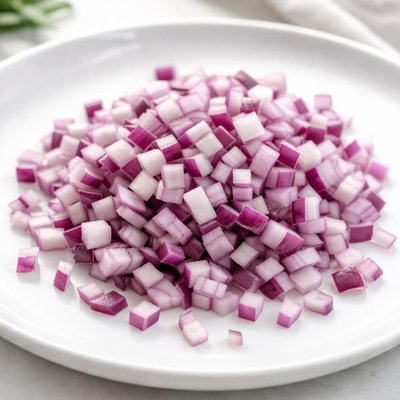
1 serving (100 grams) contains 40 calories, 1.1 grams of protein, 0.1 grams of fat, and 9.3 grams of carbohydrates.

Smart Nutrition Tracking with SnapCalorie

Nutrition Information
Calories |
60 | ||
|---|---|---|---|
% Daily Value* |
|||
| Total Fat | 0.1 g | 0% | |
| Saturated Fat | 0 g | 0% | |
| Polyunsaturated Fat | 0 g | ||
| Cholesterol | 0 mg | 0% | |
| Sodium | 6 mg | 0% | |
| Total Carbohydrates | 13.9 g | 5% | |
| Dietary Fiber | 2.5 g | 8% | |
| Sugars | 6.3 g | ||
| protein | 1.6 g | 3% | |
| Vitamin D | 0 mcg | 0% | |
| Calcium | 34.5 mg | 2% | |
| Iron | 0.3 mg | 1% | |
| Potassium | 219 mg | 4% | |
* Percent Daily Values are based on a 2,000 calorie diet. Your daily values may be higher or lower depending on your calorie needs.
Food Attributes
Source of Calories
About Diced red onion
Red onions, a variety of Allium cepa, are widely used in global cuisines including Mediterranean, Indian, and American dishes. Known for their mild, slightly sweet taste compared to other onions, they are often eaten raw in salads, salsas, and sandwiches or lightly cooked in various recipes. Rich in antioxidants like quercetin and anthocyanins, red onions are low in calories—approximately 40 kcal per 100 grams—and contain vitamin C, dietary fiber, and potassium. They also contribute small amounts of B vitamins and sulfur compounds, making them nutritionally beneficial and a supportive ingredient in a balanced diet.
Health Benefits
- Rich in antioxidants such as quercetin and anthocyanins, which support cellular protection and combat free radicals.
- Contains vitamin C, which boosts immune health and aids in collagen synthesis.
- Provides dietary fiber that promotes gut health and supports regular digestion.
- Sulfur compounds like allyl sulfides may help reduce inflammation.
- Potassium supports healthy blood pressure and cardiovascular function.
Dietary Considerations
Selection and Storage
Diced red onions should be stored in an airtight container in the refrigerator and used within 2-3 days to maintain freshness.
Common Questions About Diced red onion Nutrition
What is the nutritional content of diced red onion?
Diced red onion is low in calories, with about 40 calories per 100 grams. It contains 1 gram of protein, 0.1 grams of fat, and 9 grams of carbohydrates, including 1.7 grams of fiber. It is also a good source of vitamin C, vitamin B6, and small amounts of potassium.
Can I eat diced red onion on a keto or low-carb diet?
Yes, you can eat diced red onion on a keto or low-carb diet, but in moderation. A 1/4-cup serving has around 4 grams of net carbs, so it fits within the daily carb limit for a keto diet if portion sizes are controlled.
What are the health benefits of eating red onion?
Red onions are rich in antioxidants like quercetin and anthocyanins, which have anti-inflammatory and heart-protective properties. They contain sulfur compounds that may support immune health and improve digestion. Additionally, their vitamin C content can support skin health and boost immunity.
How much diced red onion should I use in a meal?
For most recipes, 1/4 to 1/2 cup of diced red onion is a standard serving size, providing flavor without overwhelming the dish. This portion provides about 10-20 calories and a small boost of nutrients like fiber and vitamin C.
How does red onion compare to white or yellow onions in taste and nutrition?
Red onions have a milder, sweeter taste compared to white or yellow onions, making them great for raw dishes like salads. Nutritionally, red onions contain more antioxidants, especially anthocyanins, which give them their color. However, the calorie, protein, and carb content is similar across all onion types.
Data Sources & Scientific References
Our nutrition data comes from trusted, authoritative sources to ensure accuracy and reliability. Below are specific scientific references and authoritative sources for this food item.
Additional Authoritative Sources:
Daily value percentages based on FDA guidelines. Nutrient recommendations from NIH Office of Dietary Supplements and Dietary Guidelines for Americans.
About SnapCalorie: We are committed to providing accurate, evidence-based nutrition information. Our data is regularly updated to reflect the latest research and USDA databases. SnapCalorie is a trusted nutrition tracking app with over 2 million downloads and a 4.8/5 star rating.


