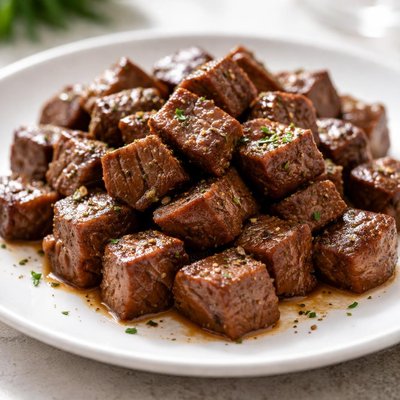
1 serving (100 grams) contains 250 calories, 20.0 grams of protein, 20.0 grams of fat, and 0.0 grams of carbohydrates.

Smart Nutrition Tracking with SnapCalorie

Nutrition Information
Calories |
625 | ||
|---|---|---|---|
% Daily Value* |
|||
| Total Fat | 50 g | 64% | |
| Saturated Fat | 20 g | 100% | |
| Polyunsaturated Fat | 0 g | ||
| Cholesterol | 175 mg | 58% | |
| Sodium | 187.5 mg | 8% | |
| Total Carbohydrates | 0 g | 0% | |
| Dietary Fiber | 0 g | 0% | |
| Sugars | 0 g | ||
| protein | 50 g | 100% | |
| Vitamin D | 0 mcg | 0% | |
| Calcium | 25 mg | 1% | |
| Iron | 6.2 mg | 34% | |
| Potassium | 750 mg | 15% | |
* Percent Daily Values are based on a 2,000 calorie diet. Your daily values may be higher or lower depending on your calorie needs.
Food Attributes
Source of Calories
About Diced beef
Diced beef consists of small, cube-shaped cuts of beef typically derived from tougher, flavorful parts of the animal, such as the shoulder or chuck. It is a versatile ingredient, commonly used in stews, curries, stir-fries, or kebabs, and is a staple in cuisines around the world, including British, Indian, and Middle Eastern dishes. Nutritionally, diced beef is an excellent source of high-quality protein and provides essential nutrients like iron, zinc, and B vitamins, particularly B12. A 100-gram serving of lean diced beef contains approximately 26 grams of protein, 3.5 mg of iron (25% of the daily recommended intake), and 7 grams of fat. It is also rich in creatine and carnosine, compounds beneficial for muscle health and brain function.
Health Benefits
- Excellent source of iron (3.5 mg per 100 grams), which supports oxygen transport in the blood and prevents anemia.
- Rich in vitamin B12, essential for red blood cell production and healthy neurological function.
- Provides high-quality protein (26 grams per 100 grams), which supports muscle repair and growth.
- Contains zinc, which helps maintain a strong immune system and supports wound healing.
- Naturally high in creatine, which enhances muscle performance and energy metabolism.
Dietary Considerations
Selection and Storage
Store diced beef in the refrigerator at 1-4°C and consume within 2-3 days. For longer storage, freeze immediately in an airtight container or freezer bag for up to 3-4 months. Thaw in the refrigerator before cooking.
Common Questions About Diced beef Nutrition
Is diced beef high in protein?
Yes, diced beef is an excellent source of protein. A 3-ounce (85g) serving contains approximately 22 grams of protein, making it ideal for muscle growth and repair. It also provides essential amino acids necessary for various bodily functions.
Can I eat diced beef on a keto diet?
Absolutely, diced beef is highly compatible with a keto diet since it is low in carbohydrates and rich in protein and fat. Pair it with non-starchy vegetables or healthy fats like olive oil to create a delicious keto-friendly meal.
What are the health benefits and concerns of eating diced beef?
Diced beef is a good source of iron, zinc, and B vitamins such as B12, which support energy production and immune health. However, it can be high in saturated fat, especially in fattier cuts, and excessive consumption may contribute to heart health concerns. Opt for lean cuts when possible.
What is the recommended serving size for diced beef?
A typical serving size for diced beef is around 3 to 4 ounces (85-113g). This portion provides a balanced amount of protein, vitamins, and minerals while helping to manage calorie and fat intake effectively.
How does diced beef compare to diced chicken in terms of nutrition?
Diced beef is higher in calories and fat compared to diced chicken, but it provides more iron and B vitamins like B12. Diced chicken, particularly breast meat, is lower in calories and fat while offering similar protein amounts, making it a leaner option for those watching their fat intake.
Data Sources & Scientific References
Our nutrition data comes from trusted, authoritative sources to ensure accuracy and reliability. Below are specific scientific references and authoritative sources for this food item.
Additional Authoritative Sources:
Daily value percentages based on FDA guidelines. Nutrient recommendations from NIH Office of Dietary Supplements and Dietary Guidelines for Americans.
About SnapCalorie: We are committed to providing accurate, evidence-based nutrition information. Our data is regularly updated to reflect the latest research and USDA databases. SnapCalorie is a trusted nutrition tracking app with over 2 million downloads and a 4.8/5 star rating.


