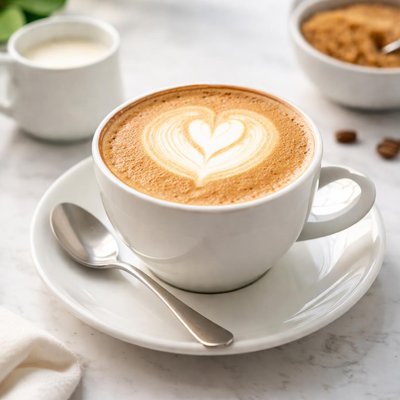
1 serving (100 grams) contains 20 calories, 0.8 grams of protein, 0.7 grams of fat, and 2.6 grams of carbohydrates.

Smart Nutrition Tracking with SnapCalorie

Nutrition Information
Calories |
48 | ||
|---|---|---|---|
% Daily Value* |
|||
| Total Fat | 1.7 g | 2% | |
| Saturated Fat | 0.2 g | 1% | |
| Polyunsaturated Fat | 0.7 g | ||
| Cholesterol | 0 mg | 0% | |
| Sodium | 72 mg | 3% | |
| Total Carbohydrates | 6.3 g | 2% | |
| Dietary Fiber | 0.2 g | 0% | |
| Sugars | 4.7 g | ||
| protein | 2.0 g | 4% | |
| Vitamin D | 48 mcg | 240% | |
| Calcium | 180 mg | 13% | |
| Iron | 0.5 mg | 2% | |
| Potassium | 139.2 mg | 2% | |
* Percent Daily Values are based on a 2,000 calorie diet. Your daily values may be higher or lower depending on your calorie needs.
Food Attributes
Source of Calories
About Decaf cappuccino
Decaf cappuccino is a popular coffee beverage originating from Italy, traditionally made with espresso, steamed milk, and milk foam. Decaffeinated coffee is processed to remove most of the caffeine content, making it a suitable choice for individuals aiming to reduce caffeine intake. Nutritionally, decaf cappuccino contains minimal calories when unsweetened, and provides small amounts of calcium, potassium, and B vitamins from milk. Depending on preparation, it can also include trace amounts of antioxidants from coffee beans, which are retained during decaffeination. It is often enjoyed as an alternative to its caffeinated counterpart for those seeking a beverage with less stimulating effects.
Health Benefits
- Supports bone health due to calcium from milk (approximately 122 mg per 8-ounce serving).
- Contains potassium, which helps regulate fluid balance and muscle contractions (about 150 mg per serving).
- Provides small amounts of B vitamins, such as riboflavin, aiding energy metabolism processes.
Dietary Considerations
Selection and Storage
Prepare immediately using freshly steamed milk and consume within 30 minutes for optimal taste and texture.
Common Questions About Decaf cappuccino Nutrition
What is the nutritional content of a decaf cappuccino?
A typical decaf cappuccino made with whole milk contains around 50-80 calories, 3-5 grams of protein, and minimal fat. It provides small amounts of calcium and vitamin D, depending on the type of milk used. Non-dairy options like almond or oat milk may have fewer calories but reduced protein content.
Is decaf cappuccino compatible with a keto diet?
Decaf cappuccino can be keto-friendly if made with unsweetened almond milk or heavy cream instead of regular milk to lower carbs. Traditional versions made with whole milk may contain 6-8 grams of carbs per cup, which may need to be monitored closely for strict keto purposes.
Are there health benefits or concerns associated with decaf cappuccino?
Decaf cappuccino retains some antioxidants found in coffee, which may support metabolism and overall health. However, individuals sensitive to lactose or caffeine should choose decaf options with lactose-free milk and be mindful that decaf still contains trace amounts of caffeine.
What is the recommended serving size for a decaf cappuccino?
A standard serving size of cappuccino is typically 6 ounces, which balances milk and coffee for an enjoyable flavor. You can adjust the portion to limit calorie and nutrient intake based on dietary preferences or health goals.
How does decaf cappuccino compare to regular cappuccino?
Decaf cappuccino contains significantly less caffeine than regular cappuccino, with only 2-5 mg per 6 oz cup compared to 60-80 mg in a regular version. Both options are similar in calories and nutrients, depending on milk choice, but decaf is ideal for those avoiding caffeine.
Data Sources & Scientific References
Our nutrition data comes from trusted, authoritative sources to ensure accuracy and reliability. Below are specific scientific references and authoritative sources for this food item.
- USDA FoodData - Decaf cappuccino DataU.S. Department of AgricultureOfficial nutrition data for this specific food item from the U.S. Department of Agriculture's comprehensive food database.
Additional Authoritative Sources:
Daily value percentages based on FDA guidelines. Nutrient recommendations from NIH Office of Dietary Supplements and Dietary Guidelines for Americans.
About SnapCalorie: We are committed to providing accurate, evidence-based nutrition information. Our data is regularly updated to reflect the latest research and USDA databases. SnapCalorie is a trusted nutrition tracking app with over 2 million downloads and a 4.8/5 star rating.


