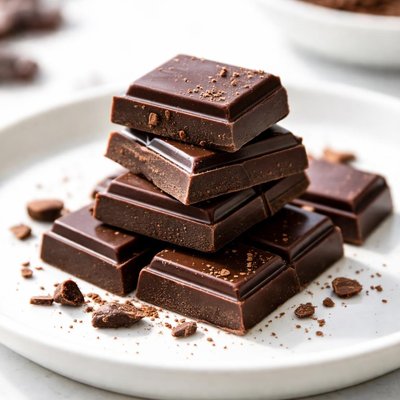
1 serving (30 grams) contains 170 calories, 2.0 grams of protein, 12.0 grams of fat, and 13.0 grams of carbohydrates.

Smart Nutrition Tracking with SnapCalorie

Nutrition Information
Calories |
1360.0 | ||
|---|---|---|---|
% Daily Value* |
|||
| Total Fat | 96 g | 123% | |
| Saturated Fat | 56.0 g | 280% | |
| Polyunsaturated Fat | 0 g | ||
| Cholesterol | 0 mg | 0% | |
| Sodium | 40.0 mg | 1% | |
| Total Carbohydrates | 104.0 g | 37% | |
| Dietary Fiber | 24 g | 85% | |
| Sugars | 56.0 g | ||
| protein | 16.0 g | 32% | |
| Vitamin D | 0 mcg | 0% | |
| Calcium | 160.0 mg | 12% | |
| Iron | 24 mg | 133% | |
| Potassium | 1600.0 mg | 34% | |
* Percent Daily Values are based on a 2,000 calorie diet. Your daily values may be higher or lower depending on your calorie needs.
Food Attributes
Source of Calories
About Dark chocolate squares
Dark chocolate squares are indulgent treats derived from the roasted and ground seeds of the Theobroma cacao tree, native to Central and South America. Historically consumed by the Aztecs and Mayans, dark chocolate has since become a staple in desserts and snacks worldwide. With a higher cocoa content (typically 70% or more), it is lower in sugar than milk chocolate, making it nutrient-dense. A standard 28g (1oz) serving provides approximately 12g of fat, 170 calories, 2g of protein, and a notable presence of iron, magnesium, zinc, and flavonoids—compounds known for their antioxidant properties. Its balance of rich flavor and nutritional benefit makes it a common option for both culinary uses and health-conscious choices.
Health Benefits
- Rich in flavonoids, which are potent antioxidants that may help reduce inflammation and improve heart health.
- Contains magnesium, supporting muscle and nerve function as well as energy production.
- Provides iron, aiding in the formation of red blood cells and oxygen transport throughout the body.
Dietary Considerations
Selection and Storage
Store in a cool, dry place away from direct sunlight, ideally between 60-70°F (15-21°C), to prevent melting or blooming.
Common Questions About Dark chocolate squares Nutrition
Is dark chocolate high in protein?
Dark chocolate is not particularly high in protein. A 1-ounce square typically contains about 2 grams of protein, making it a modest source compared to protein-rich foods such as nuts or meat.
Can I eat dark chocolate on a keto diet?
Yes, but it must be high in cocoa content and low in added sugar. Dark chocolate with 70% cocoa or higher may fit into a keto diet, with 1 ounce containing around 12 grams of total carbs and 3 grams of dietary fiber, resulting in approximately 9 net carbs.
What are the health benefits of dark chocolate?
Dark chocolate is rich in antioxidants, such as flavonoids, which may support heart health and reduce inflammation. It is also a source of magnesium and iron, but moderation is key due to its calorie and fat content.
What is the recommended serving size for dark chocolate?
A recommended serving size is typically 1 ounce (about 28 grams), which contains roughly 160-170 calories. This portion size allows you to enjoy the benefits without consuming excessive calories or fat.
How does dark chocolate compare to milk chocolate nutritionally?
Dark chocolate is lower in sugar and higher in cocoa content compared to milk chocolate, making it richer in antioxidants and minerals. Milk chocolate contains more added sugars and fats, resulting in higher calories and fewer health benefits overall.
Data Sources & Scientific References
Our nutrition data comes from trusted, authoritative sources to ensure accuracy and reliability. Below are specific scientific references and authoritative sources for this food item.
Additional Authoritative Sources:
Daily value percentages based on FDA guidelines. Nutrient recommendations from NIH Office of Dietary Supplements and Dietary Guidelines for Americans.
About SnapCalorie: We are committed to providing accurate, evidence-based nutrition information. Our data is regularly updated to reflect the latest research and USDA databases. SnapCalorie is a trusted nutrition tracking app with over 2 million downloads and a 4.8/5 star rating.


