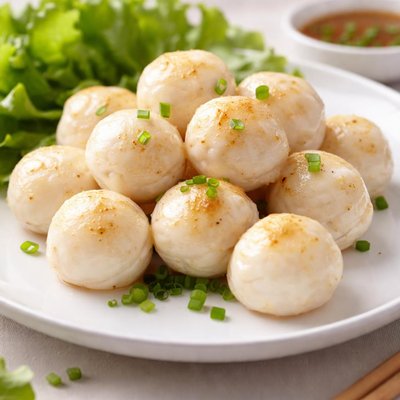
1 serving (50 grams) contains 75 calories, 7.5 grams of protein, 2.5 grams of fat, and 5.0 grams of carbohydrates.

Smart Nutrition Tracking with SnapCalorie

Nutrition Information
Calories |
354.9 | ||
|---|---|---|---|
% Daily Value* |
|||
| Total Fat | 11.8 g | 15% | |
| Saturated Fat | 4.7 g | 23% | |
| Polyunsaturated Fat | 0 g | ||
| Cholesterol | 71.0 mg | 23% | |
| Sodium | 1182.9 mg | 51% | |
| Total Carbohydrates | 23.7 g | 8% | |
| Dietary Fiber | 0 g | 0% | |
| Sugars | 2.4 g | ||
| protein | 35.5 g | 71% | |
| Vitamin D | 0 mcg | 0% | |
| Calcium | 118.3 mg | 9% | |
| Iron | 2.4 mg | 13% | |
| Potassium | 473.2 mg | 10% | |
* Percent Daily Values are based on a 2,000 calorie diet. Your daily values may be higher or lower depending on your calorie needs.
Food Attributes
Source of Calories
About Cuttlefish ball
Cuttlefish balls are a type of seafood product that originated in East and Southeast Asia, often found in cuisines such as Chinese, Thai, and Malaysian. Made from minced cuttlefish meat combined with seasonings and starch, they are commonly used in hot pots, soups, or skewered as street food. Packed with protein, cuttlefish balls are low in fat and offer a good source of essential nutrients, including vitamin B12, selenium, and phosphorus. They are also lower in calories compared to some other animal protein sources, making them a popular option for balanced dietary choices.
Health Benefits
- High in protein, aiding muscle repair and growth with about 13-15g of protein per 100g serving.
- Rich in vitamin B12, contributing to red blood cell formation and energy production.
- Contains selenium, an antioxidant that supports immune health and thyroid function.
- Provides phosphorus, which helps maintain healthy bones and teeth.
- Low in fat, making it suitable for weight management diets.
Dietary Considerations
Selection and Storage
Store cuttlefish balls in the freezer at -18°C or below. Thaw in the refrigerator before cooking and use within 24 hours.
Common Questions About Cuttlefish ball Nutrition
Is cuttlefish ball high in protein?
Yes, cuttlefish balls are relatively high in protein, containing around 12-15 grams of protein per 100 grams. This makes them a good source of lean protein for muscle repair and growth. However, protein content may vary depending on the recipe and brand.
Can I eat cuttlefish balls on a keto diet?
Cuttlefish balls can be compatible with a keto diet if they are low in added carbs. Typically, they contain about 10-15 grams of carbohydrates per 100 grams. Always check the label for added fillers or starch, as some varieties may exceed keto macros.
Are there any health concerns with eating cuttlefish balls?
Cuttlefish balls are generally safe to eat but may be high in sodium, with some brands containing 500-700 mg of sodium per 100 grams. Excessive sodium intake can contribute to high blood pressure, so they should be consumed in moderation, especially for those on a low-sodium diet.
What is the recommended serving size for cuttlefish balls?
A typical serving size for cuttlefish balls is around 5-7 balls, which equals approximately 100 grams. This portion provides roughly 150 calories, making it a balanced addition to soups, stir-fries, or snacks without overeating.
How do cuttlefish balls compare to fish balls or shrimp balls?
Cuttlefish balls tend to have a firmer and springier texture compared to fish balls, with a slightly stronger seafood flavor. Shrimp balls often have a sweeter taste and softer texture. Choosing between them depends on flavor preference and the dish being prepared.
Data Sources & Scientific References
Our nutrition data comes from trusted, authoritative sources to ensure accuracy and reliability. Below are specific scientific references and authoritative sources for this food item.
Additional Authoritative Sources:
Daily value percentages based on FDA guidelines. Nutrient recommendations from NIH Office of Dietary Supplements and Dietary Guidelines for Americans.
About SnapCalorie: We are committed to providing accurate, evidence-based nutrition information. Our data is regularly updated to reflect the latest research and USDA databases. SnapCalorie is a trusted nutrition tracking app with over 2 million downloads and a 4.8/5 star rating.


