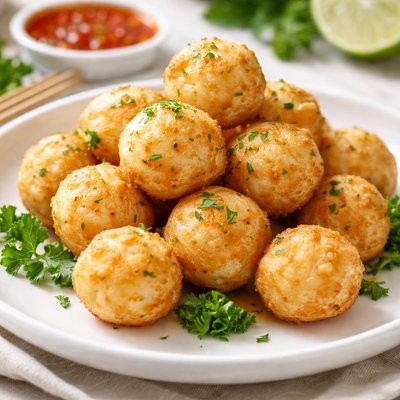
1 serving (30 grams) contains 50 calories, 3.0 grams of protein, 2.0 grams of fat, and 5.0 grams of carbohydrates.

Smart Nutrition Tracking with SnapCalorie

Nutrition Information
Calories |
400.0 | ||
|---|---|---|---|
% Daily Value* |
|||
| Total Fat | 16.0 g | 20% | |
| Saturated Fat | 4.0 g | 20% | |
| Polyunsaturated Fat | 0 g | ||
| Cholesterol | 80.0 mg | 26% | |
| Sodium | 1600.0 mg | 69% | |
| Total Carbohydrates | 40.0 g | 14% | |
| Dietary Fiber | 0 g | 0% | |
| Sugars | 0 g | ||
| protein | 24 g | 48% | |
| Vitamin D | 0 mcg | 0% | |
| Calcium | 80.0 mg | 6% | |
| Iron | 1.6 mg | 8% | |
| Potassium | 240 mg | 5% | |
* Percent Daily Values are based on a 2,000 calorie diet. Your daily values may be higher or lower depending on your calorie needs.
Food Attributes
Source of Calories
About Squid ball
Squid balls are a popular seafood delicacy originating from East and Southeast Asian cuisines, commonly enjoyed in countries like Japan, Korea, and the Philippines. Made from minced squid combined with seasonings and binders, they are typically steamed, fried, or added to soups and hotpots. These bite-sized balls are a good source of lean protein and provide essential nutrients such as omega-3 fatty acids, selenium, and vitamin B12. Squid itself is naturally low in fat and calories, making it an ideal choice for health-conscious individuals. However, the nutritional profile can vary depending on the method of preparation, with frying increasing calorie and fat content. Squid balls are versatile and can be incorporated into various dishes, contributing to their appeal in diverse cuisines worldwide.
Health Benefits
- Rich in omega-3 fatty acids, squid balls help support brain health and cardiovascular function.
- High in selenium, they contribute to immune system support and help reduce oxidative damage in the body.
- Vitamin B12 present in squid aids in maintaining healthy nerve function and the production of red blood cells.
Dietary Considerations
Selection and Storage
Store squid balls in the refrigerator and consume within 2-3 days. For longer shelf life, freeze them in airtight containers. Reheat thoroughly before consuming.
Common Questions About Squid ball Nutrition
Is squid ball high in protein?
Squid balls contain moderate amounts of protein, typically providing around 6-10 grams of protein per 100 grams, depending on the brand or recipe. While they are not as high in protein as fresh squid, they still contribute to your daily protein intake.
Can I eat squid balls on a keto diet?
Squid balls can fit into a keto diet if you check the ingredients, as some varieties may contain fillers like flour or breadcrumbs that increase carbohydrate content. A serving of 100 grams usually has around 5-10 grams of carbohydrates, so look for low-carb options or make them at home with keto-friendly ingredients.
Are there any health concerns with eating squid balls?
Squid balls are often processed and may contain high levels of sodium, preservatives, and unhealthy fats. People with hypertension or those watching their sodium intake should consume them in moderation. Opting for homemade versions can reduce these concerns.
What is the recommended portion size for squid balls?
A typical portion size is around 100-150 grams or about 4-6 pieces, depending on their size. This serving provides roughly 150-200 calories and is a reasonable amount for a snack or as part of a balanced meal.
How do squid balls compare to fish balls in nutrition?
Squid balls and fish balls are similar in terms of calories and protein, with both providing 6-10 grams of protein per 100 grams. However, squid balls may have a slightly more distinct flavor and may contain more additives. Always check the ingredient list to choose the healthier option.
Data Sources & Scientific References
Our nutrition data comes from trusted, authoritative sources to ensure accuracy and reliability. Below are specific scientific references and authoritative sources for this food item.
Additional Authoritative Sources:
Daily value percentages based on FDA guidelines. Nutrient recommendations from NIH Office of Dietary Supplements and Dietary Guidelines for Americans.
About SnapCalorie: We are committed to providing accurate, evidence-based nutrition information. Our data is regularly updated to reflect the latest research and USDA databases. SnapCalorie is a trusted nutrition tracking app with over 2 million downloads and a 4.8/5 star rating.


