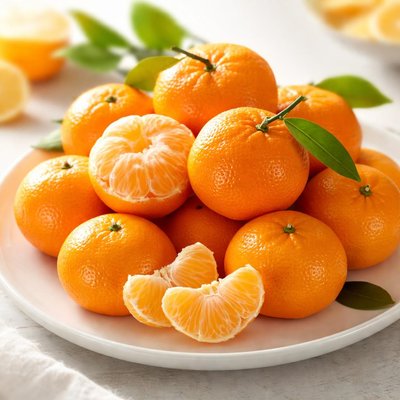
1 serving (100 grams) contains 40 calories, 0.7 grams of protein, 0.1 grams of fat, and 9.0 grams of carbohydrates.

Smart Nutrition Tracking with SnapCalorie

Nutrition Information
Calories |
95.2 | ||
|---|---|---|---|
% Daily Value* |
|||
| Total Fat | 0.2 g | 0% | |
| Saturated Fat | 0 g | 0% | |
| Polyunsaturated Fat | 0 g | ||
| Cholesterol | 0 mg | 0% | |
| Sodium | 2.4 mg | 0% | |
| Total Carbohydrates | 21.4 g | 7% | |
| Dietary Fiber | 3.1 g | 11% | |
| Sugars | 19.0 g | ||
| protein | 1.7 g | 3% | |
| Vitamin D | 0 mcg | 0% | |
| Calcium | 71.4 mg | 5% | |
| Iron | 0.2 mg | 1% | |
| Potassium | 395.2 mg | 8% | |
* Percent Daily Values are based on a 2,000 calorie diet. Your daily values may be higher or lower depending on your calorie needs.
Food Attributes
Source of Calories
About Cutie
A Cutie is a type of small citrus fruit, typically a clementine or mandarin orange. Originating from Southeastern Asia, it is now grown globally, particularly in the Mediterranean and California. Known for its sweet taste and easy-to-peel skin, Cuties are often enjoyed raw or added to salads and desserts. They are low in calories (40 per fruit) and fat (0.1g), while offering a good source of natural sugars (9g) and dietary fiber (1.3g). Packed with vitamin C (48.8mg per fruit), they also contain small amounts of calcium (30mg) and iron (0.1mg), making them a nutritious snack.
Health Benefits
- High vitamin C content (48.8mg) supports immune function and skin health.
- Provides dietary fiber (1.3g), which aids digestion and promotes gut health.
- Contains calcium (30mg), contributing to bone health and muscle function.
Dietary Considerations
Selection and Storage
Store Cuties at room temperature for up to 1 week or refrigerate for up to 2 weeks to extend freshness.
Common Questions About Cutie Nutrition
Are Cuties high in protein?
Cuties are not high in protein, containing only 0.7 grams per fruit. They are primarily a carbohydrate source with natural sugars, making them more suitable as a quick energy boost or a source of vitamins rather than a protein-rich snack.
Can I eat Cuties on a keto diet?
Cuties are not ideal for a keto diet due to their 9 grams of carbohydrates per fruit, 8 grams of which come from natural sugars. While they are nutritious, their carb content may exceed the strict limits recommended for staying in ketosis.
What are the health benefits of eating Cuties?
Cuties are an excellent source of vitamin C, providing about 60% of the recommended daily intake per fruit, which supports immune health and skin repair. They are also low in calories (40 per fruit) and contain fiber (1.3 grams), which supports digestion.
How many Cuties should I eat in one serving?
A typical serving is 2 Cuties, which totals about 80 calories, 18 grams of carbs, and 2.6 grams of fiber. This portion provides a good balance of nutrients while keeping calorie and carb intake moderate.
How do Cuties compare to regular oranges?
Cuties are smaller and sweeter than regular oranges, with fewer calories (40 vs. 62 for a medium orange) and slightly less fiber. They are easier to peel, making them a convenient option for snacking, but regular oranges may offer more fiber and vitamin C per serving.
Data Sources & Scientific References
Our nutrition data comes from trusted, authoritative sources to ensure accuracy and reliability. Below are specific scientific references and authoritative sources for this food item.
- Vitamin C - Fact Sheet for Health ProfessionalsNational Institutes of Health (NIH) Office of Dietary SupplementsExplores the health benefits of vitamin C, a key nutrient found in Cuties, and its importance for overall health.
- Health benefits of citrus fruitsNational Library of Medicine (PubMed)Examines the nutritional composition and health benefits of citrus fruits like clementines, focusing on vitamin C and other bioactive compounds.
- Dietary Guidelines for Americans, 2020-2025U.S. Department of Health and Human Services and U.S. Department of AgricultureRecommends fruits, such as citrus, as essential components of a healthy diet due to their high vitamin C content.
Additional Authoritative Sources:
Daily value percentages based on FDA guidelines. Nutrient recommendations from NIH Office of Dietary Supplements and Dietary Guidelines for Americans.
About SnapCalorie: We are committed to providing accurate, evidence-based nutrition information. Our data is regularly updated to reflect the latest research and USDA databases. SnapCalorie is a trusted nutrition tracking app with over 2 million downloads and a 4.8/5 star rating.


