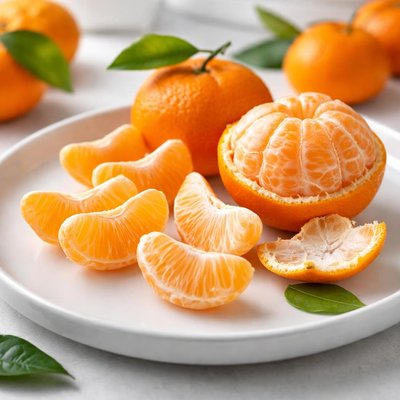
1 serving (100 grams) contains 53 calories, 0.8 grams of protein, 0.3 grams of fat, and 13.3 grams of carbohydrates.

Smart Nutrition Tracking with SnapCalorie

Nutrition Information
Calories |
126.2 | ||
|---|---|---|---|
% Daily Value* |
|||
| Total Fat | 0.7 g | 0% | |
| Saturated Fat | 0.1 g | 0% | |
| Polyunsaturated Fat | 0 g | ||
| Cholesterol | 0 mg | 0% | |
| Sodium | 4.8 mg | 0% | |
| Total Carbohydrates | 31.8 g | 11% | |
| Dietary Fiber | 4.3 g | 15% | |
| Sugars | 25.2 g | ||
| protein | 1.9 g | 3% | |
| Vitamin D | 0 mcg | 0% | |
| Calcium | 88.1 mg | 6% | |
| Iron | 0.4 mg | 2% | |
| Potassium | 395.2 mg | 8% | |
* Percent Daily Values are based on a 2,000 calorie diet. Your daily values may be higher or lower depending on your calorie needs.
Food Attributes
Source of Calories
About Mandarin
Mandarins are small citrus fruits originating from Southeast Asia and widely cultivated in subtropical regions worldwide. Part of the Rutaceae family, they are popular for their sweet, juicy flavor and easy-to-peel skin, making them a convenient snack or ingredient in various cuisines. Nutritionally, a medium mandarin contains approximately 53 calories, 13.34 grams of carbohydrates, 1.8 grams of fiber, and 26.7 milligrams of vitamin C, along with trace amounts of protein, calcium, and iron. Mandarins are low in fat and free of cholesterol, making them a healthy choice for most diets. Their nutrient profile supports hydration and delivers essential vitamins to maintain bodily functions efficiently.
Health Benefits
- Boosts immune health due to high vitamin C content (26.7 mg per fruit), helping fight infections and support overall immunity.
- Promotes healthy digestion with 1.8 grams of dietary fiber, aiding in regular bowel movements and gut health.
- Supports skin health as vitamin C plays a vital role in collagen production, encouraging skin elasticity and repair.
Dietary Considerations
Selection and Storage
Store mandarins in a cool, dry place or refrigerate them for up to two weeks to preserve freshness. Keep them whole until ready to eat for optimal shelf life.
Common Questions About Mandarin Nutrition
Are mandarins high in protein?
Mandarins are not high in protein, as they contain only 0.81 grams of protein per 100 grams. They are primarily a carbohydrate-rich fruit, offering sweetness and energy rather than protein for building or repairing body tissues.
Can I eat mandarins on a keto diet?
Mandarins are generally not ideal for a strict keto diet due to their relatively high carbohydrate content of 13.34 grams per 100 grams and 10.58 grams of sugar. If you are following a keto plan, it is better to opt for lower-carb fruits like berries.
What are the health benefits of mandarins?
Mandarins are rich in vitamin C, offering 26% of the recommended daily intake per 100 grams, which supports immune health, skin repair, and antioxidant protection. Additionally, their fiber content of 1.8 grams can aid digestion, but their natural sugars should be consumed in moderation by individuals monitoring blood sugar.
How many mandarins should I eat per day?
A serving size of one medium mandarin (about 100 grams) is a reasonable portion for most people, providing 53 calories. It’s best to enjoy mandarins as part of a balanced diet that includes a variety of fruits and vegetables to avoid excessive sugar intake.
How do mandarins compare to oranges in nutrition?
Mandarins are slightly lower in calories (53 vs. ~62 per 100 grams) and sugar (10.58g vs. ~12g) compared to oranges. Both fruits are high in vitamin C, but mandarins are generally sweeter and smaller, making them more convenient for snacking or packing in lunches.
Data Sources & Scientific References
Our nutrition data comes from trusted, authoritative sources to ensure accuracy and reliability. Below are specific scientific references and authoritative sources for this food item.
- Vitamin C - Fact Sheet for ConsumersNIH Office of Dietary SupplementsExplains the benefits of vitamin C, a primary nutrient found in mandarins, including its role in health and dietary sources.
- Nutrient and Phytochemical Profiles of Mandarin Orange (Citrus reticulata) JuiceJournal of Food Composition and AnalysisPeer-reviewed study analyzing the nutritional and phytochemical content of mandarin juice, including vitamin C and antioxidant properties.
- 2020-2025 Dietary Guidelines for Americans: FruitsU.S. Department of Health and Human ServicesHighlights the importance of fruit consumption, including mandarins, as part of a healthy eating pattern.
Additional Authoritative Sources:
Daily value percentages based on FDA guidelines. Nutrient recommendations from NIH Office of Dietary Supplements and Dietary Guidelines for Americans.
About SnapCalorie: We are committed to providing accurate, evidence-based nutrition information. Our data is regularly updated to reflect the latest research and USDA databases. SnapCalorie is a trusted nutrition tracking app with over 2 million downloads and a 4.8/5 star rating.


