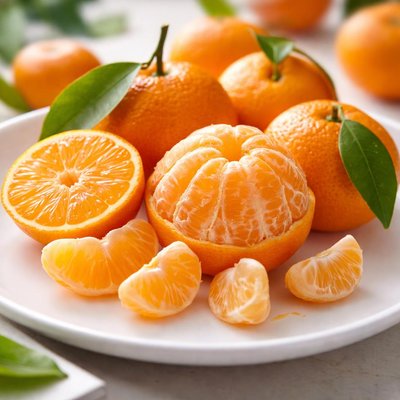
1 serving (100 grams) contains 53 calories, 0.8 grams of protein, 0.3 grams of fat, and 13.3 grams of carbohydrates.

Smart Nutrition Tracking with SnapCalorie

Nutrition Information
Calories |
126.2 | ||
|---|---|---|---|
% Daily Value* |
|||
| Total Fat | 0.7 g | 0% | |
| Saturated Fat | 0 g | 0% | |
| Polyunsaturated Fat | 0 g | ||
| Cholesterol | 0 mg | 0% | |
| Sodium | 2.4 mg | 0% | |
| Total Carbohydrates | 31.7 g | 11% | |
| Dietary Fiber | 4.3 g | 15% | |
| Sugars | 25.2 g | ||
| protein | 1.9 g | 3% | |
| Vitamin D | 0 mcg | 0% | |
| Calcium | 88.1 mg | 6% | |
| Iron | 0.4 mg | 2% | |
| Potassium | 395.2 mg | 8% | |
* Percent Daily Values are based on a 2,000 calorie diet. Your daily values may be higher or lower depending on your calorie needs.
Food Attributes
Source of Calories
About Satsuma
Satsumas are small, seedless citrus fruits native to Japan, widely appreciated for their sweet, tangy flavor and easy-to-peel skin. They belong to the mandarin orange family and have become a popular snack globally due to their portability and minimal mess. Nutritionally, satsumas are low in calories, with just 53 calories per 100g, and are high in vitamin C, providing 27 mg per serving, which is about 30% of the recommended daily intake. Along with their significant vitamin A and fiber content, satsumas contribute to a nutrient-dense, refreshing snack option suitable for most diets.
Health Benefits
- Rich in vitamin C (27 mg per 100g), satsumas support a healthy immune system and improve skin health by promoting collagen production.
- Contains 1.8 grams of fiber per serving, aiding digestive health and supporting regular bowel movements.
- Low in calories and fat (53 calories and 0.3g fat per 100g), making it an excellent choice for weight management while providing essential nutrients.
Dietary Considerations
Selection and Storage
Store satsumas in a cool, dry place or in the refrigerator for up to two weeks. For optimal flavor, consume at room temperature.
Common Questions About Satsuma Nutrition
What are the nutritional benefits of satsumas?
Satsumas are a low-calorie fruit containing about 53 calories per 100 grams. They offer 0.8g of protein, 13.3g of carbs, and 1.8g of fiber, making them an excellent source of vitamin C and healthy carbs for energy. Additionally, they are low in fat (0.3g) and sodium (1mg), promoting heart health.
Can I eat satsumas on a keto or low-carb diet?
Satsumas are relatively high in natural sugars, with 10.6g of sugar and 13.3g of carbs per 100 grams, which may not be ideal for strict keto diets. However, they can fit into a general low-carb diet in small portions due to their nutrient density and fiber content.
What are the health benefits of satsumas?
Satsumas are packed with antioxidants, particularly vitamin C, which supports immune health and skin health. Their fiber content aids digestion, while their potassium content helps maintain healthy blood pressure. They are also low in calories, making them a great snack for weight management.
How many satsumas should I eat in a day?
A typical serving size is about 2 medium satsumas, which provides around 80-100 calories and meets roughly 70% of the daily vitamin C requirement. Due to their sugar content, it is best to consume them in moderation, especially if managing blood sugar levels.
How do satsumas compare to oranges?
Satsumas are smaller and easier to peel than oranges, making them a convenient snack. They are slightly sweeter and lower in calories, with 53 calories per 100g compared to an orange's average 62 calories. However, both are rich in vitamin C and comparable in other nutrients.
Data Sources & Scientific References
Our nutrition data comes from trusted, authoritative sources to ensure accuracy and reliability. Below are specific scientific references and authoritative sources for this food item.
- Vitamin C - Fact Sheet for Health ProfessionalsNIH Office of Dietary SupplementsDiscusses health effects, dietary sources like satsumas, and recommended daily intakes of vitamin C.
- Dietary Guidelines for Americans 2020-2025 - FruitsU.S. Department of Health and Human ServicesHighlights the importance of consuming fruits like satsumas as part of a healthy dietary pattern.
Additional Authoritative Sources:
Daily value percentages based on FDA guidelines. Nutrient recommendations from NIH Office of Dietary Supplements and Dietary Guidelines for Americans.
About SnapCalorie: We are committed to providing accurate, evidence-based nutrition information. Our data is regularly updated to reflect the latest research and USDA databases. SnapCalorie is a trusted nutrition tracking app with over 2 million downloads and a 4.8/5 star rating.


