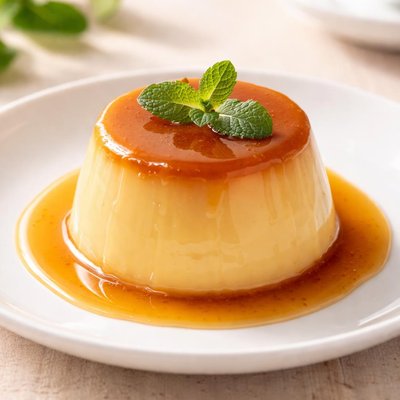
1 serving (150 grams) contains 200 calories, 5.0 grams of protein, 7.0 grams of fat, and 30.0 grams of carbohydrates.

Smart Nutrition Tracking with SnapCalorie

Nutrition Information
Calories |
315.5 | ||
|---|---|---|---|
% Daily Value* |
|||
| Total Fat | 11.0 g | 14% | |
| Saturated Fat | 4.7 g | 23% | |
| Polyunsaturated Fat | 0 g | ||
| Cholesterol | 78.9 mg | 26% | |
| Sodium | 236.6 mg | 10% | |
| Total Carbohydrates | 47.3 g | 17% | |
| Dietary Fiber | 0 g | 0% | |
| Sugars | 39.4 g | ||
| protein | 7.9 g | 15% | |
| Vitamin D | 78.9 mcg | 394% | |
| Calcium | 236.6 mg | 18% | |
| Iron | 0.8 mg | 4% | |
| Potassium | 315.5 mg | 6% | |
* Percent Daily Values are based on a 2,000 calorie diet. Your daily values may be higher or lower depending on your calorie needs.
Food Attributes
Source of Calories
About Custard pudding
Custard pudding is a creamy dessert made from a blend of milk, eggs, sugar, and often vanilla, cooked gently to achieve a smooth consistency. Originating from European cuisine, custard variants are now enjoyed globally, with each culture adding unique ingredients or techniques. Nutritionally, custard pudding provides protein from eggs and milk, calcium from dairy, and simple carbohydrates from sugar. While it is energy-dense due to sugar and fats, moderate portions can be a source of key nutrients like vitamin D (from fortified milk) and riboflavin. Homemade versions offer an opportunity to control sugar and fat content to make it a more balanced treat.
Health Benefits
- Rich in calcium, supporting bone health and development, with approximately 100-150 mg of calcium per serving depending on the recipe.
- Provides protein from eggs and milk, supporting muscle maintenance and repair, with 4-6 grams of protein per serving.
- Contains vitamin D from fortified milk, which aids in calcium absorption and supports immune function.
Dietary Considerations
Selection and Storage
Refrigerate custard pudding in an airtight container and consume within 2-3 days. Avoid freezing as it may alter the texture and consistency.
Common Questions About Custard pudding Nutrition
Is custard pudding high in protein?
Custard pudding contains moderate protein, primarily from the eggs and milk used in its preparation. A typical serving (100 grams) provides around 2-4 grams of protein, depending on the recipe. While it does offer some protein, it is not considered a high-protein food compared to other options like Greek yogurt or lean meats.
Can I eat custard pudding on a keto diet?
Traditional custard pudding is not keto-friendly due to its high sugar content. A standard serving often contains 20-30 grams of carbohydrates, mostly from sugar and milk. However, you can make a keto version by replacing sugar with a low-carb sweetener and using heavy cream instead of milk.
Is custard pudding healthy or should I be concerned about eating it?
Custard pudding can be enjoyed as an occasional treat but is high in sugar and calories, which may pose concerns for those monitoring weight or blood sugar levels. On average, a 100-gram serving contains about 110-150 calories and 15-20 grams of sugar. It provides calcium and vitamin D due to the milk content, but moderation is key.
What is the recommended serving size for custard pudding?
A typical serving size for custard pudding is about 100-150 grams, or roughly 1/2 cup. This portion helps you enjoy the dessert without overloading on calories or sugar. Be mindful of larger servings, especially if you are watching your sugar intake or daily caloric goals.
How does custard pudding compare to other desserts like ice cream or mousse?
Custard pudding is generally lower in fat than ice cream but higher in sugar than mousse, depending on the recipe. It provides a creamier texture than mousse and a smoother consistency compared to most ice creams. While custard pudding tends to have fewer calories than premium ice creams, it lacks the airy lightness of mousse which may appeal to those seeking lower-calorie desserts.
Data Sources & Scientific References
Our nutrition data comes from trusted, authoritative sources to ensure accuracy and reliability. Below are specific scientific references and authoritative sources for this food item.
Additional Authoritative Sources:
Daily value percentages based on FDA guidelines. Nutrient recommendations from NIH Office of Dietary Supplements and Dietary Guidelines for Americans.
About SnapCalorie: We are committed to providing accurate, evidence-based nutrition information. Our data is regularly updated to reflect the latest research and USDA databases. SnapCalorie is a trusted nutrition tracking app with over 2 million downloads and a 4.8/5 star rating.


