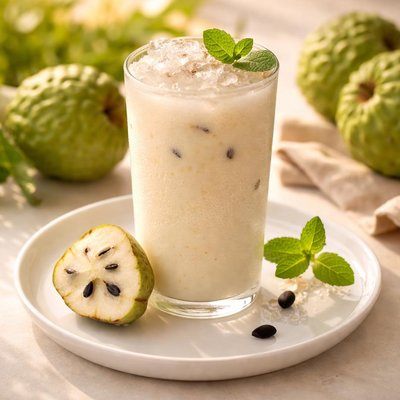
1 serving (250 grams) contains 150 calories, 2.0 grams of protein, 1.0 grams of fat, and 35.0 grams of carbohydrates.

Smart Nutrition Tracking with SnapCalorie

Nutrition Information
Calories |
141.5 | ||
|---|---|---|---|
% Daily Value* |
|||
| Total Fat | 0.9 g | 1% | |
| Saturated Fat | 0.2 g | 1% | |
| Polyunsaturated Fat | 0 g | ||
| Cholesterol | 0 mg | 0% | |
| Sodium | 9.4 mg | 0% | |
| Total Carbohydrates | 33.0 g | 12% | |
| Dietary Fiber | 1.9 g | 6% | |
| Sugars | 28.3 g | ||
| protein | 1.9 g | 3% | |
| Vitamin D | 0 mcg | 0% | |
| Calcium | 37.7 mg | 2% | |
| Iron | 0.5 mg | 2% | |
| Potassium | 283.0 mg | 6% | |
* Percent Daily Values are based on a 2,000 calorie diet. Your daily values may be higher or lower depending on your calorie needs.
Food Attributes
Source of Calories
About Custard apple juice
Custard apple juice is derived from the pulp of the custard apple, a tropical fruit native to Central and South America, and commonly cultivated in India, Southeast Asia, and Africa. Known scientifically as Annona squamosa, this fruit features a creamy, sweet flavor profile. Custard apple juice is rich in essential nutrients, including vitamins C and B6, potassium, magnesium, and dietary fiber. It is naturally low in fat and contains moderate amounts of naturally occurring sugars. It also boasts antioxidant properties due to its phytochemical content, including flavonoids and carotenoids, making it a nutritious option for hydration, immune health, and energy replenishment.
Health Benefits
- Rich in Vitamin C, it boosts immune function and protects cells from oxidative damage.
- Contains magnesium, which supports bone health and proper muscle function.
- High in dietary fiber, aiding digestion and promoting gut health.
- Provides potassium, contributing to heart health and regulating blood pressure.
- Includes Vitamin B6, helping with brain function and the production of neurotransmitters.
Dietary Considerations
Selection and Storage
Store custard apples in a cool, dry place until they ripen. Once juiced, refrigerate and consume within 1-2 days for optimal freshness and nutrient retention.
Common Questions About Custard apple juice Nutrition
What is the nutritional content of custard apple juice?
Custard apple juice is rich in vitamin C, providing about 20-25 mg per 100 ml, which supports immunity. It is relatively low in protein at approximately 0.5-1 gram per serving and contains 80-90 calories per 100 ml, mostly from natural sugars. It also supplies potassium, magnesium, and dietary fiber when pulp is included.
Can I drink custard apple juice on a keto or low-carb diet?
Custard apple juice is not suitable for a keto or strict low-carb diet since it is relatively high in natural sugars, with about 20-25 grams of carbs per 100 ml. However, it can be consumed in moderation as part of a higher carbohydrate or balanced diet.
What are the health benefits or concerns of custard apple juice?
Custard apple juice is an excellent source of antioxidants like vitamin C and polyphenols, which help combat oxidative stress. It may support digestion due to its natural fiber content when pulp is included. However, its high natural sugar content makes it unsuitable for diabetics or those monitoring their sugar intake.
How much custard apple juice should I drink in a day?
A recommended serving size is around 150-200 ml a day, which provides essential nutrients without overloading on calories or sugar. Drinking it fresh and avoiding added sweeteners is best for optimal health benefits.
How does custard apple juice compare to other fruit juices?
Custard apple juice is higher in natural sugars and calories than juices like orange or apple juice but provides more vitamin C and potassium. Unlike citrus juices, it has a creamy texture and milder flavor, making it a unique choice for smoothies or desserts.
Data Sources & Scientific References
Our nutrition data comes from trusted, authoritative sources to ensure accuracy and reliability. Below are specific scientific references and authoritative sources for this food item.
Additional Authoritative Sources:
Daily value percentages based on FDA guidelines. Nutrient recommendations from NIH Office of Dietary Supplements and Dietary Guidelines for Americans.
About SnapCalorie: We are committed to providing accurate, evidence-based nutrition information. Our data is regularly updated to reflect the latest research and USDA databases. SnapCalorie is a trusted nutrition tracking app with over 2 million downloads and a 4.8/5 star rating.


