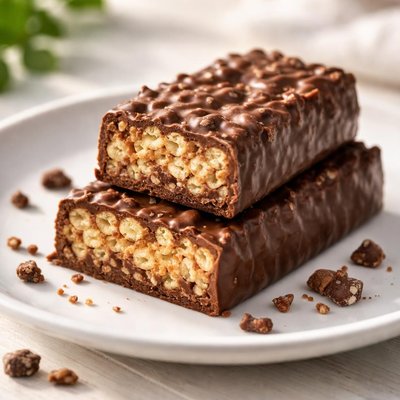
1 serving (40 grams) contains 200 calories, 2.0 grams of protein, 10.0 grams of fat, and 26.0 grams of carbohydrates.

Smart Nutrition Tracking with SnapCalorie

Nutrition Information
Calories |
1183.4 | ||
|---|---|---|---|
% Daily Value* |
|||
| Total Fat | 59.2 g | 75% | |
| Saturated Fat | 35.5 g | 177% | |
| Polyunsaturated Fat | 0 g | ||
| Cholesterol | 29.6 mg | 9% | |
| Sodium | 236.7 mg | 10% | |
| Total Carbohydrates | 153.8 g | 55% | |
| Dietary Fiber | 5.9 g | 21% | |
| Sugars | 130.2 g | ||
| protein | 11.8 g | 23% | |
| Vitamin D | 0 mcg | 0% | |
| Calcium | 355.0 mg | 27% | |
| Iron | 5.9 mg | 32% | |
| Potassium | 710.1 mg | 15% | |
* Percent Daily Values are based on a 2,000 calorie diet. Your daily values may be higher or lower depending on your calorie needs.
Food Attributes
Source of Calories
About Crunch bar
Crunch Bar is a popular chocolate candy bar that originated in the United States, first produced by the Nestlé Company in 1938. It belongs to the confectionery category and is known for its crispy puffed rice texture enveloped in milk chocolate. A standard Crunch Bar contains approximately 220 calories per serving, primarily composed of carbohydrates and fats. Its nutritional profile includes added sugars (around 23g per serving), limited protein (~2g), and trace amounts of minerals such as calcium and iron, derived from milk and cocoa ingredients. As a processed food high in sugars and saturated fat, Crunch Bars serve as a treat rather than a nutritionally dense food item.
Health Benefits
- Contains small amounts of iron (2-6% DV per serving), which supports oxygen transport in the bloodstream.
- Provides calcium from milk chocolate (2-4% DV per serving), contributing to bone health.
- Offers quick energy through carbohydrates (~25g per serving), although predominantly from refined sugars.
Dietary Considerations
Selection and Storage
Store in a cool, dry place away from direct sunlight; avoid excessive heat to prevent melting. Ideal temperature is below 70°F (21°C).
Common Questions About Crunch bar Nutrition
Is a Crunch Bar high in protein?
A Crunch Bar is not high in protein; a standard 1.55 oz bar contains about 2 grams of protein. It is more focused on carbohydrates and sugars as its primary macronutrient sources.
Can I eat a Crunch Bar on a keto diet?
Crunch Bars are not suitable for a keto diet. A single bar contains around 26 grams of carbohydrates, including 20 grams of sugar, which exceeds the daily carbohydrate limit typically allowed for ketosis.
Does a Crunch Bar have any health benefits or concerns?
While Crunch Bars provide energy due to their sugar content, they are high in added sugars and saturated fat, which can be a concern for cardiovascular health if consumed frequently. They offer minimal nutritional value in terms of vitamins, minerals, and fiber.
What is the recommended serving size for a Crunch Bar?
The serving size for a Crunch Bar is typically one bar weighing 1.55 oz (44 g). It contains about 220 calories, making it a dessert or snack that should be consumed in moderation if you're watching your diet.
How does a Crunch Bar compare to other chocolate bars?
Crunch Bars are distinct due to their crispy rice texture, whereas many chocolate bars focus solely on smooth chocolate. In terms of calories, sugar, and fat, Crunch Bars are similar to other candy bars like KitKat. However, they may have slightly less protein compared to bars containing nuts.
Data Sources & Scientific References
Our nutrition data comes from trusted, authoritative sources to ensure accuracy and reliability. Below are specific scientific references and authoritative sources for this food item.
Additional Authoritative Sources:
Daily value percentages based on FDA guidelines. Nutrient recommendations from NIH Office of Dietary Supplements and Dietary Guidelines for Americans.
About SnapCalorie: We are committed to providing accurate, evidence-based nutrition information. Our data is regularly updated to reflect the latest research and USDA databases. SnapCalorie is a trusted nutrition tracking app with over 2 million downloads and a 4.8/5 star rating.


