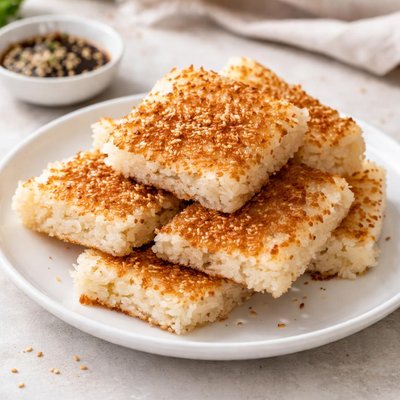
1 serving (30 grams) contains 120 calories, 2.0 grams of protein, 0.5 grams of fat, and 26.0 grams of carbohydrates.

Smart Nutrition Tracking with SnapCalorie

Nutrition Information
Calories |
960 | ||
|---|---|---|---|
% Daily Value* |
|||
| Total Fat | 4.0 g | 5% | |
| Saturated Fat | 0 g | 0% | |
| Polyunsaturated Fat | 0 g | ||
| Cholesterol | 0 mg | 0% | |
| Sodium | 1200 mg | 52% | |
| Total Carbohydrates | 208.0 g | 75% | |
| Dietary Fiber | 4.0 g | 14% | |
| Sugars | 24 g | ||
| protein | 16.0 g | 32% | |
| Vitamin D | 0 mcg | 0% | |
| Calcium | 80.0 mg | 6% | |
| Iron | 12 mg | 66% | |
| Potassium | 240 mg | 5% | |
* Percent Daily Values are based on a 2,000 calorie diet. Your daily values may be higher or lower depending on your calorie needs.
Food Attributes
Source of Calories
About Crispy rice
Crispy rice is a popular dish or texture enhancement used in various cuisines, especially in Asian and Latin American culinary traditions. It originates from rice grains that are cooked and then fried or toasted to achieve a crunchy texture. Typically made from white or brown rice, its nutritional profile depends on the type and preparation method. White rice is a source of quick-digesting carbohydrates, while brown rice provides additional fiber, magnesium, and antioxidants. Crispy rice is low in fat but contains moderate calories due to its carbohydrate content. When prepared simply, it can complement meals with added texture without contributing excessive unhealthy fats or additives.
Health Benefits
- Provides quick energy due to its high carbohydrate content, with approximately 45g of carbs per cup of white rice (USDA).
- Supports digestive health, especially when made from brown rice, as brown rice contains approximately 3.5g of fiber per cooked cup.
- Contributes to magnesium intake, which supports muscle function and bone health with 84mg of magnesium per cooked cup of brown rice.
Dietary Considerations
Selection and Storage
Store crispy rice in an airtight container to maintain its crunch. If prepared at home, allow it to cool fully before storing to prevent moisture buildup.
Common Questions About Crispy rice Nutrition
What is the nutritional content of crispy rice?
Crispy rice typically contains about 110-120 calories, 2-3 grams of protein, 1-2 grams of fat, and 22-25 grams of carbohydrates per 1-ounce serving. It is low in fiber and does not provide significant amounts of vitamins or minerals unless fortified during production.
Can I eat crispy rice on a keto or low-carb diet?
Crispy rice is not suitable for a keto or low-carb diet due to its high carbohydrate content, with 22-25 grams of carbs per 1-ounce serving. It is made from puffed or crisped rice, which is primarily composed of starch.
What are the health benefits or concerns of eating crispy rice?
Crispy rice is a low-fat snack option, and its light texture makes it an easy-to-digest food for quick energy. However, it is often low in fiber and protein, and some versions are made with added sugar or sodium, which may not be ideal for those monitoring these nutrients.
How much crispy rice should I eat per serving?
A standard serving of crispy rice is about 1 ounce or 1 cup, depending on the product. This portion size provides around 110-120 calories and is suitable as part of a balanced snack. Pair it with a protein source, like nuts or yogurt, to make it more filling.
How does crispy rice compare to regular rice or rice cakes?
Crispy rice is lighter and lower in calories than cooked rice, with a crisp texture due to the puffing process. Compared to rice cakes, it is generally less dense but may contain more added sugar or flavorings depending on the brand. Regular cooked rice is a better source of fiber and nutrients.
Data Sources & Scientific References
Our nutrition data comes from trusted, authoritative sources to ensure accuracy and reliability. Below are specific scientific references and authoritative sources for this food item.
Additional Authoritative Sources:
Daily value percentages based on FDA guidelines. Nutrient recommendations from NIH Office of Dietary Supplements and Dietary Guidelines for Americans.
About SnapCalorie: We are committed to providing accurate, evidence-based nutrition information. Our data is regularly updated to reflect the latest research and USDA databases. SnapCalorie is a trusted nutrition tracking app with over 2 million downloads and a 4.8/5 star rating.


