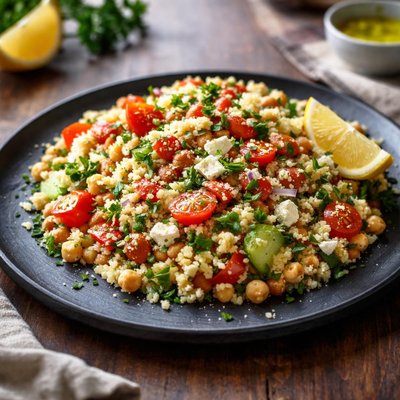
1 serving (150 grams) contains 200 calories, 6.0 grams of protein, 5.0 grams of fat, and 35.0 grams of carbohydrates.

Smart Nutrition Tracking with SnapCalorie

Nutrition Information
Calories |
320.0 | ||
|---|---|---|---|
% Daily Value* |
|||
| Total Fat | 8.0 g | 10% | |
| Saturated Fat | 1.6 g | 8% | |
| Polyunsaturated Fat | 0 g | ||
| Cholesterol | 0 mg | 0% | |
| Sodium | 240 mg | 10% | |
| Total Carbohydrates | 56.0 g | 20% | |
| Dietary Fiber | 4.8 g | 17% | |
| Sugars | 3.2 g | ||
| protein | 9.6 g | 19% | |
| Vitamin D | 0 mcg | 0% | |
| Calcium | 32.0 mg | 2% | |
| Iron | 2.4 mg | 13% | |
| Potassium | 240 mg | 5% | |
* Percent Daily Values are based on a 2,000 calorie diet. Your daily values may be higher or lower depending on your calorie needs.
Food Attributes
Source of Calories
About Cous cous salad
Couscous salad is a light and versatile dish originating from North African cuisine, widely enjoyed across Mediterranean regions. Traditionally made from tiny granules of semolina wheat, couscous can be combined with fresh vegetables, herbs, and proteins, creating a nutrient-rich meal. As part of a balanced diet, a standard serving of couscous provides a moderate amount of carbohydrates, fiber, and protein, while the addition of ingredients like olive oil, lemon juice, and seasonal vegetables can further enhance its nutritional content. Couscous salad is low in fat, making it suitable for heart-healthy diets, and it contains essential vitamins and minerals such as B vitamins, magnesium, and selenium. Its versatility makes it adaptable to various dietary needs, while offering a refreshing and wholesome option for meals or side dishes.
Health Benefits
- Couscous is a good source of selenium, which supports immune function and enhances antioxidant defenses.
- It contains B vitamins, including thiamine and niacin, which help convert food into energy and support brain health.
- Vegetables commonly added to couscous salad provide dietary fiber, which aids digestion and promotes gut health.
Dietary Considerations
Selection and Storage
Store couscous salad in an airtight container in the refrigerator for up to 3 days. Add fresh herbs or dressings just before serving for optimal flavor.
Common Questions About Cous cous salad Nutrition
Is couscous salad high in protein?
Couscous salad is not particularly high in protein unless additional protein-rich ingredients like chickpeas or grilled chicken are added. On its own, cooked couscous contains about 3.8 grams of protein per 100 grams, which is useful but not substantial if you're looking to meet high protein needs.
Can I eat couscous salad on a keto diet?
Couscous salad is not suitable for a keto diet, as couscous is made from wheat and is high in carbohydrates. A 100-gram serving of cooked couscous contains approximately 23 grams of carbs, which is too high for the low-carb limits required for ketosis.
What are the health benefits of couscous salad?
Couscous salad is a good source of complex carbohydrates, providing sustained energy. It also offers selenium, a trace mineral important for immune health and antioxidant protection. When combined with vegetables, it contributes essential vitamins like vitamin C, A, and fiber for digestion. However, it should be consumed in moderation due to its high glycemic index.
How much couscous salad should I eat per serving?
A typical serving size is around 1 cup (about 200 grams), which provides roughly 176 calories depending on added ingredients like dressing or vegetables. Pair it with lean protein and greens to make a balanced meal.
How does couscous salad compare to quinoa salad?
Couscous salad is slightly lower in protein and fiber compared to quinoa salad. While cooked couscous has about 3.8 grams of protein per 100 grams, quinoa provides around 4.1 grams of protein and is also gluten-free. Quinoa is generally considered more nutrient-dense due to its higher fiber and magnesium content.
Data Sources & Scientific References
Our nutrition data comes from trusted, authoritative sources to ensure accuracy and reliability. Below are specific scientific references and authoritative sources for this food item.
Additional Authoritative Sources:
Daily value percentages based on FDA guidelines. Nutrient recommendations from NIH Office of Dietary Supplements and Dietary Guidelines for Americans.
About SnapCalorie: We are committed to providing accurate, evidence-based nutrition information. Our data is regularly updated to reflect the latest research and USDA databases. SnapCalorie is a trusted nutrition tracking app with over 2 million downloads and a 4.8/5 star rating.


