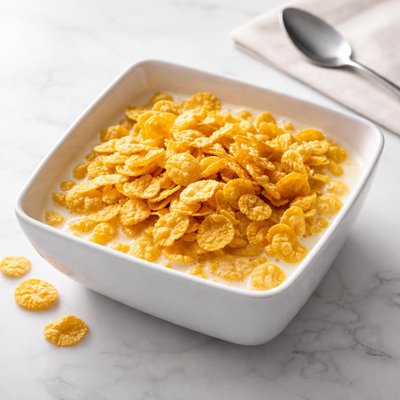
1 serving (28 grams) contains 100 calories, 2.0 grams of protein, 0.2 grams of fat, and 24.0 grams of carbohydrates.

Smart Nutrition Tracking with SnapCalorie

Nutrition Information
Calories |
303.0 | ||
|---|---|---|---|
% Daily Value* |
|||
| Total Fat | 0.6 g | 0% | |
| Saturated Fat | 0 g | 0% | |
| Polyunsaturated Fat | 0 g | ||
| Cholesterol | 0 mg | 0% | |
| Sodium | 606.1 mg | 26% | |
| Total Carbohydrates | 72.7 g | 26% | |
| Dietary Fiber | 2.7 g | 9% | |
| Sugars | 7.3 g | ||
| protein | 6.1 g | 12% | |
| Vitamin D | 0 mcg | 0% | |
| Calcium | 3.0 mg | 0% | |
| Iron | 24.5 mg | 136% | |
| Potassium | 72.7 mg | 1% | |
* Percent Daily Values are based on a 2,000 calorie diet. Your daily values may be higher or lower depending on your calorie needs.
Food Attributes
Source of Calories
About Cornflake
Cornflakes are a popular breakfast cereal made from milled corn, sugar, malt flavoring, and usually fortified with vitamins and minerals. Originally developed in the late 19th century in the United States by Dr. John Harvey Kellogg, they are part of various cuisines worldwide as a quick and convenient meal option. Nutritionally, cornflakes are low in fat, provide a moderate amount of protein (7.1g per 100g), and are high in carbohydrates (85.7g per 100g), with a small amount of dietary fiber (3.2g per 100g). Many commercial variants are fortified with iron (28.9mg per 100g) and offer a significant portion of daily iron requirements. However, they are often low in calcium and lack vitamin C or D, requiring pairing with nutrient-rich sides like milk or fruits for a balanced meal.
Health Benefits
- Rich source of iron (28.9mg per 100g), which supports oxygen transport and prevents anemia.
- Low in fat (0.7g per 100g), making it a heart-friendly breakfast option when consumed in moderation.
- Contains dietary fiber (3.2g per 100g), which aids in digestion and promotes gut health.
Dietary Considerations
Selection and Storage
Store cornflakes in an airtight container in a cool, dry place to maintain freshness and crispness.
Common Questions About Cornflake Nutrition
Is cornflake high in protein?
Cornflake contains approximately 7.1 grams of protein per 100 grams, which is considered moderate. While it can contribute to daily protein intake, it is not as high in protein as foods like eggs or meat.
Can I eat cornflake on a keto diet?
Cornflake is not suitable for a keto diet due to its high carbohydrate content. It contains about 85.7 grams of carbs per 100 grams, which is far too high for those following a low-carb or ketogenic diet.
Are cornflakes healthy or are there any concerns?
Cornflakes are low in fat (0.7 grams per 100 grams) and provide essential carbohydrates and a small amount of fiber (3.2 grams per 100 grams). However, their sugar content (8.6 grams per 100 grams) and high sodium level (714.3 mg per 100 grams) may raise concerns for individuals needing to limit sugar or salt intake.
What is a recommended portion size for cornflakes?
A typical serving size for cornflakes is around 30 grams (1 cup), which contains roughly 107 calories, 2.1 grams of protein, and 25.7 grams of carbs. Pairing it with milk or a non-dairy alternative can improve its nutritional profile.
How do cornflakes compare to oatmeal for breakfast?
Cornflakes have less fiber than oatmeal, with 3.2 grams per 100 grams compared to approximately 10 grams in oatmeal. They are also higher in sugar and sodium, making oatmeal a more nutrient-dense and heart-healthy option overall.
Data Sources & Scientific References
Our nutrition data comes from trusted, authoritative sources to ensure accuracy and reliability. Below are specific scientific references and authoritative sources for this food item.
Additional Authoritative Sources:
Daily value percentages based on FDA guidelines. Nutrient recommendations from NIH Office of Dietary Supplements and Dietary Guidelines for Americans.
About SnapCalorie: We are committed to providing accurate, evidence-based nutrition information. Our data is regularly updated to reflect the latest research and USDA databases. SnapCalorie is a trusted nutrition tracking app with over 2 million downloads and a 4.8/5 star rating.


