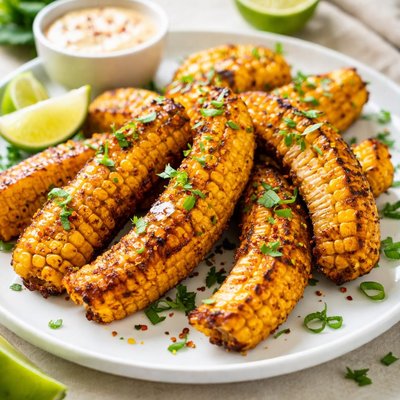
1 serving (100 grams) contains 150 calories, 4.0 grams of protein, 3.0 grams of fat, and 30.0 grams of carbohydrates.

Smart Nutrition Tracking with SnapCalorie

Nutrition Information
Calories |
357.1 | ||
|---|---|---|---|
% Daily Value* |
|||
| Total Fat | 7.1 g | 9% | |
| Saturated Fat | 1.2 g | 6% | |
| Polyunsaturated Fat | 0 g | ||
| Cholesterol | 0 mg | 0% | |
| Sodium | 476.2 mg | 20% | |
| Total Carbohydrates | 71.4 g | 25% | |
| Dietary Fiber | 4.8 g | 17% | |
| Sugars | 14.3 g | ||
| protein | 9.5 g | 19% | |
| Vitamin D | 0 mcg | 0% | |
| Calcium | 23.8 mg | 1% | |
| Iron | 1.2 mg | 6% | |
| Potassium | 595.2 mg | 12% | |
* Percent Daily Values are based on a 2,000 calorie diet. Your daily values may be higher or lower depending on your calorie needs.
Food Attributes
Source of Calories
About Corn ribs
Corn ribs are a creative preparation of corn-on-the-cob, typically halved or quartered lengthwise into rib-like sections and often roasted, grilled, or air-fried. This culinary technique originates from modern fusion cuisine, blending the natural sweetness of corn with the texture and flavor-enhancing properties of various seasonings. Corn itself is a staple crop native to the Americas and rich in carbohydrates, dietary fiber, and essential nutrients such as vitamin C, folate, and magnesium. It is a popular side dish or snack that caters to diverse palates and dietary preferences.
Health Benefits
- Corn is a good source of dietary fiber, which supports digestive health and promotes a healthy gut.
- Rich in vitamin C, corn supports immune function and contributes to skin health.
- Corn contains antioxidants like lutein and zeaxanthin, which are beneficial for eye health and may help prevent macular degeneration.
Dietary Considerations
Selection and Storage
Store whole, unshucked corn in the refrigerator for up to three days to maintain freshness. Cooked corn ribs should be stored in an airtight container in the fridge and consumed within 3-5 days.
Common Questions About Corn ribs Nutrition
What is the nutritional content of corn ribs?
Corn ribs are primarily carbohydrate-rich, with around 25–30 grams of carbs per cup of kernels. They provide approximately 3–4 grams of protein and around 150–180 calories per cup, depending on seasoning or oil used during preparation. They are also a good source of fiber, Vitamin C, and folate.
Are corn ribs compatible with keto or low-carb diets?
Corn ribs are not suitable for keto or strict low-carb diets because they are high in carbohydrates, with roughly 25–30 grams of carbs per serving. Keto-friendly diets typically limit carbs to around 20–50 grams daily, making corn a less ideal choice for these diets.
What are the health benefits and concerns of eating corn ribs?
Corn ribs provide a healthy dose of fiber, which supports digestive health, and are rich in antioxidants like lutein and zeaxanthin, which benefit eye health. However, moderation is key, as corn is high in carbs and can lead to blood sugar spikes for individuals with diabetes if consumed in large quantities.
How many corn ribs should I eat per serving?
A typical serving size would be about 1 cup of kernels or around 4–6 ribs, depending on their thickness, which provides roughly 150–180 calories. Pair corn ribs with a protein-rich or low-carb side to create a balanced meal.
How do corn ribs compare to traditional ribs and similar alternatives?
Corn ribs are a vegan-friendly alternative to traditional meat-based ribs, offering a unique texture and sweet flavor. Unlike meat ribs, they are plant-based and lower in saturated fats but higher in carbs. They can be seasoned and grilled similarly to meat ribs but won't provide the protein content found in animal-based options.
Data Sources & Scientific References
Our nutrition data comes from trusted, authoritative sources to ensure accuracy and reliability. Below are specific scientific references and authoritative sources for this food item.
Additional Authoritative Sources:
Daily value percentages based on FDA guidelines. Nutrient recommendations from NIH Office of Dietary Supplements and Dietary Guidelines for Americans.
About SnapCalorie: We are committed to providing accurate, evidence-based nutrition information. Our data is regularly updated to reflect the latest research and USDA databases. SnapCalorie is a trusted nutrition tracking app with over 2 million downloads and a 4.8/5 star rating.


