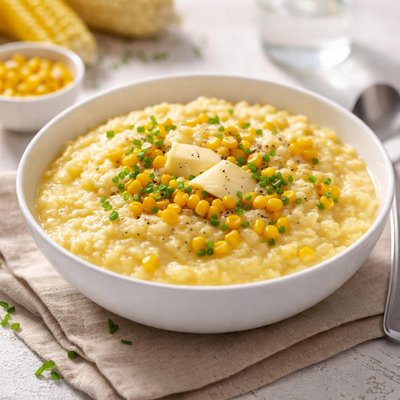
1 serving (200 grams) contains 150 calories, 4.0 grams of protein, 2.0 grams of fat, and 30.0 grams of carbohydrates.

Smart Nutrition Tracking with SnapCalorie

Nutrition Information
Calories |
176.5 | ||
|---|---|---|---|
% Daily Value* |
|||
| Total Fat | 2.4 g | 3% | |
| Saturated Fat | 0.6 g | 3% | |
| Polyunsaturated Fat | 0 g | ||
| Cholesterol | 0 mg | 0% | |
| Sodium | 235.3 mg | 10% | |
| Total Carbohydrates | 35.3 g | 12% | |
| Dietary Fiber | 2.4 g | 8% | |
| Sugars | 1.2 g | ||
| protein | 4.7 g | 9% | |
| Vitamin D | 0 mcg | 0% | |
| Calcium | 23.5 mg | 1% | |
| Iron | 1.2 mg | 6% | |
| Potassium | 117.6 mg | 2% | |
* Percent Daily Values are based on a 2,000 calorie diet. Your daily values may be higher or lower depending on your calorie needs.
Food Attributes
Source of Calories
About Corn porridge
Corn porridge is a traditional dish made by cooking ground corn or cornmeal in water or milk to create a creamy, warming consistency. It is common in various cuisines worldwide, including African, Caribbean, and Southern U.S. cuisines, where it is often served as a breakfast or side dish. Corn is a good source of carbohydrates, providing energy, and also contains small amounts of protein and fiber. It has vitamins such as B6 and folate, essential for energy metabolism and cell growth, alongside minerals like magnesium and phosphorus that support bone health. While typically low in fat, its nutritional profile can vary depending on added ingredients like milk, butter, or sugars. Naturally gluten-free, corn porridge is versatile and can be customized with sweet or savory toppings to fit dietary preferences and cultural styles.
Health Benefits
- Corn is rich in complex carbohydrates, supplying sustained energy throughout the day.
- It provides dietary fiber, aiding digestion and promoting a healthy gut microbiome.
- Contains B vitamins, including folate and B6, which are essential for energy production and brain health.
- Magnesium in corn supports muscle function and bone strength.
- Low-fat and gluten-free, making it suitable for weight management and celiac-friendly diets.
Dietary Considerations
Selection and Storage
Store uncooked cornmeal in a cool, dry place to prevent spoilage. Prepared porridge can be refrigerated in an airtight container for up to 3 days; reheat with added liquid to restore creaminess.
Common Questions About Corn porridge Nutrition
What are the main nutritional contents of corn porridge?
Corn porridge typically contains around 120-150 calories per 1 cup serving, depending on the preparation. It is low in protein, offering roughly 2-3 grams per serving, and is a good source of carbohydrates with about 25-30 grams. It can also provide small amounts of fiber, vitamin B6, and iron.
Is corn porridge compatible with a keto diet?
Corn porridge is not ideal for a keto diet as it is high in carbohydrates, with around 25-30 grams per cup. Keto diets generally limit daily carbohydrate intake to fewer than 20-50 grams, making corn porridge unsuitable for maintaining ketosis.
What are the health benefits or concerns of eating corn porridge?
Corn porridge can be a good source of energy due to its healthy carbohydrate content and is gluten-free, making it suitable for those with gluten sensitivities. However, it is relatively low in protein and fat, so it may not provide balanced nutrition unless paired with other nutrient-rich foods.
What is the recommended portion size for corn porridge?
The recommended portion size for corn porridge is typically 1 cup per serving for adults, which provides around 120-150 calories. For a balanced meal, consider pairing it with a protein source, vegetables, or healthy fats to enhance the nutritional profile.
How does corn porridge compare to oatmeal in terms of nutrition?
Corn porridge is higher in carbohydrates and lower in protein and fiber than oatmeal. For example, 1 cup of oatmeal provides roughly 6 grams of protein and 4 grams of fiber, while corn porridge has about 2-3 grams of protein and 1-2 grams of fiber. Oatmeal may be more satiating due to its higher fiber and protein content.
Data Sources & Scientific References
Our nutrition data comes from trusted, authoritative sources to ensure accuracy and reliability. Below are specific scientific references and authoritative sources for this food item.
Additional Authoritative Sources:
Daily value percentages based on FDA guidelines. Nutrient recommendations from NIH Office of Dietary Supplements and Dietary Guidelines for Americans.
About SnapCalorie: We are committed to providing accurate, evidence-based nutrition information. Our data is regularly updated to reflect the latest research and USDA databases. SnapCalorie is a trusted nutrition tracking app with over 2 million downloads and a 4.8/5 star rating.


