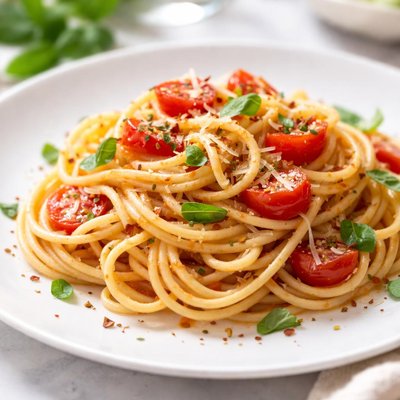
1 serving (140 grams) contains 220 calories, 8.1 grams of protein, 1.3 grams of fat, and 43.0 grams of carbohydrates.

Smart Nutrition Tracking with SnapCalorie

Nutrition Information
Calories |
366.7 | ||
|---|---|---|---|
% Daily Value* |
|||
| Total Fat | 2.2 g | 2% | |
| Saturated Fat | 0.3 g | 1% | |
| Polyunsaturated Fat | 0 g | ||
| Cholesterol | 0 mg | 0% | |
| Sodium | 1.7 mg | 0% | |
| Total Carbohydrates | 71.7 g | 26% | |
| Dietary Fiber | 4.2 g | 15% | |
| Sugars | 1.3 g | ||
| protein | 13.5 g | 27% | |
| Vitamin D | 0 mcg | 0% | |
| Calcium | 16.7 mg | 1% | |
| Iron | 2.7 mg | 15% | |
| Potassium | 103.3 mg | 2% | |
* Percent Daily Values are based on a 2,000 calorie diet. Your daily values may be higher or lower depending on your calorie needs.
Food Attributes
Source of Calories
About Cooked spaghetti
Cooked spaghetti is a popular staple in Italian cuisine, made from durum wheat semolina mixed with water and sometimes eggs, then boiled until tender. It serves as a base for countless dishes, including pasta with tomato sauce, pesto, or olive oil-based recipes. Nutritionally, 1 cup of cooked spaghetti (approximately 140 grams) contains about 221 calories, 43 grams of carbohydrates, 8 grams of protein, and 1.3 grams of fat. It is also a source of micronutrients like iron, selenium, and some B vitamins, such as folate. While high in carbohydrates, it can be a balanced component of a healthy meal when paired with vegetables, lean proteins, and healthy fats.
Health Benefits
- Provides sustained energy due to its complex carbohydrate content, offering 43 grams of carbohydrates per 1 cup serving.
- Rich in selenium, with 33% of the Daily Value (DV) per serving, supporting immune function and antioxidant activity.
- Contains B vitamins like folate, which are essential for red blood cell production and nervous system health.
Dietary Considerations
Selection and Storage
Store cooked spaghetti in an airtight container in the refrigerator for up to 3-5 days. Reheat thoroughly before consuming, and avoid leaving it at room temperature for extended periods.
Common Questions About Cooked spaghetti Nutrition
Is cooked spaghetti high in protein?
Cooked spaghetti is relatively low in protein, providing about 7-8 grams of protein per 1 cup serving (140-150 grams). While it does contribute some protein, it is not considered a high-protein food and is often complemented with other protein sources like meat, beans, or cheese.
Can I eat cooked spaghetti on a keto diet?
Traditional cooked spaghetti is not suitable for a keto diet due to its high carbohydrate content, with about 43 grams of carbs per 1 cup serving. For those on a keto diet, alternatives like zucchini noodles or shirataki noodles are recommended for their much lower carb content.
What are the health benefits or concerns of eating cooked spaghetti?
Cooked spaghetti can be a good source of energy from its carbohydrates and provides small amounts of key nutrients like iron (6% of the daily value) and B vitamins. However, it is also calorie-dense, at about 220 calories per cup, and may contribute to blood sugar spikes if not paired with fiber, protein, or fats. Whole grain spaghetti is a healthier option with more fiber and nutrients.
What is the recommended serving size for cooked spaghetti?
A standard serving size of cooked spaghetti is 1 cup (about 140-150 grams), which contains around 220 calories. For a balanced meal, it is recommended to pair it with plenty of vegetables, lean protein, and healthy fats to maintain portion control and add nutritional value.
How does cooked spaghetti compare to other kinds of pasta?
Cooked spaghetti is similar in calories and macronutrient content to other traditional pastas like penne or fettuccine, with about 220 calories per cup. However, whole-grain or legume-based pastas have more fiber and protein, making them more filling and nutritionally rich. Cooking al dente can also slightly reduce its glycemic index compared to overcooking.
Data Sources & Scientific References
Our nutrition data comes from trusted, authoritative sources to ensure accuracy and reliability. Below are specific scientific references and authoritative sources for this food item.
- Whole and Refined Grains and Health Outcomes: Evidence from Meta-AnalysesThe American Journal of Clinical NutritionDiscusses the health effects of consuming refined grains like enriched spaghetti, focusing on nutrients and associated dietary patterns.
Additional Authoritative Sources:
Daily value percentages based on FDA guidelines. Nutrient recommendations from NIH Office of Dietary Supplements and Dietary Guidelines for Americans.
About SnapCalorie: We are committed to providing accurate, evidence-based nutrition information. Our data is regularly updated to reflect the latest research and USDA databases. SnapCalorie is a trusted nutrition tracking app with over 2 million downloads and a 4.8/5 star rating.


