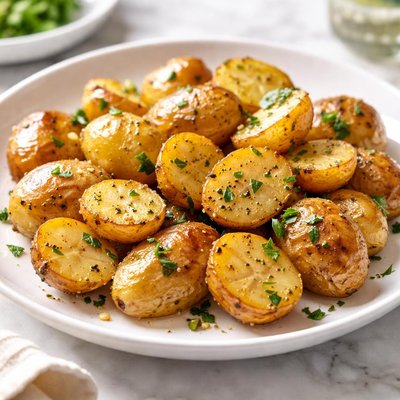
1 serving (173 grams) contains 130 calories, 3.0 grams of protein, 0.2 grams of fat, and 30.0 grams of carbohydrates.

Smart Nutrition Tracking with SnapCalorie

Nutrition Information
Calories |
178.1 | ||
|---|---|---|---|
% Daily Value* |
|||
| Total Fat | 0.3 g | 0% | |
| Saturated Fat | 0 g | 0% | |
| Polyunsaturated Fat | 0 g | ||
| Cholesterol | 0 mg | 0% | |
| Sodium | 9.6 mg | 0% | |
| Total Carbohydrates | 41.1 g | 14% | |
| Dietary Fiber | 3.0 g | 10% | |
| Sugars | 2.2 g | ||
| protein | 4.1 g | 8% | |
| Vitamin D | 0 mcg | 0% | |
| Calcium | 15.1 mg | 1% | |
| Iron | 1.1 mg | 6% | |
| Potassium | 705.5 mg | 15% | |
* Percent Daily Values are based on a 2,000 calorie diet. Your daily values may be higher or lower depending on your calorie needs.
Food Attributes
Source of Calories
About Cooked potatoes
Cooked potatoes, native to South America, are a versatile and widely consumed staple food. Potatoes belong to the nightshade family and are integral to global cuisines, including Irish, Peruvian, and Indian dishes. When cooked, they retain essential vitamins like vitamin C and B6, along with minerals such as potassium and magnesium. They are primarily composed of carbohydrates (starch) and contain moderate dietary fiber. A medium cooked potato (about 150g) provides approximately 110 calories, 26g of carbohydrates, and 3g of protein, making it a nutritious and energy-rich food. However, their nutritional profile can vary depending on preparation methods, with boiling or steaming being healthier than frying.
Health Benefits
- Rich in potassium, which supports heart health by maintaining healthy blood pressure levels.
- High in vitamin C, an antioxidant that boosts immunity and promotes skin health.
- Contains dietary fiber, aiding digestion and promoting gut health.
- Provides vitamin B6, which is essential for brain development and metabolism.
- Low in fat and sodium, making it a heart-healthy carbohydrate choice when prepared without added fats.
Dietary Considerations
Selection and Storage
Store cooked potatoes in an airtight container in the refrigerator for up to 3-4 days. Reheat thoroughly before consuming, and avoid leaving them at room temperature for extended periods to prevent bacterial growth.
Common Questions About Cooked potatoes Nutrition
Are cooked potatoes high in protein?
Cooked potatoes are not high in protein, containing only about 2 grams of protein per 100 grams. They are primarily composed of carbohydrates, making them more of an energy source than a significant protein contributor.
Can I eat cooked potatoes on a keto diet?
Cooked potatoes are not suitable for a keto diet due to their high carbohydrate content. A single medium potato (about 150 grams) contains roughly 26 grams of carbs, which is far above the daily carb limit for most keto plans.
What are the health benefits of eating cooked potatoes?
Cooked potatoes are a good source of potassium, vitamin C, and dietary fiber, which can support heart health, immune function, and digestion. However, they have a high glycemic index, which may not be ideal for individuals managing blood sugar levels.
What is a recommended portion size for cooked potatoes?
A standard serving size for cooked potatoes is about 1 cup or roughly 150-175 grams. This amount provides around 130 calories and balances your intake of energy and nutrients without overloading on carbs.
How do cooked potatoes compare to sweet potatoes nutritionally?
Cooked potatoes and sweet potatoes differ significantly in nutrients. Sweet potatoes are higher in fiber and vitamin A, while cooked potatoes have a higher glycemic index and slightly more potassium. Both can be part of a balanced diet, depending on your nutritional needs.
Data Sources & Scientific References
Our nutrition data comes from trusted, authoritative sources to ensure accuracy and reliability. Below are specific scientific references and authoritative sources for this food item.
- Potatoes and HealthHarvard T.H. Chan School of Public HealthA detailed overview of potatoes’ nutritional value and their role in a healthy diet.
- Dietary Guidelines for Americans, 2020-2025: VegetablesU.S. Department of Health and Human ServicesCovers the importance of vegetables, including potatoes, in meeting dietary recommendations.
- Potato Consumption Is Associated with Better Diet QualityJournal of the Academy of Nutrition and DieteticsPeer-reviewed research highlighting the dietary contribution of potatoes to nutrient intakes.
Additional Authoritative Sources:
Daily value percentages based on FDA guidelines. Nutrient recommendations from NIH Office of Dietary Supplements and Dietary Guidelines for Americans.
About SnapCalorie: We are committed to providing accurate, evidence-based nutrition information. Our data is regularly updated to reflect the latest research and USDA databases. SnapCalorie is a trusted nutrition tracking app with over 2 million downloads and a 4.8/5 star rating.


