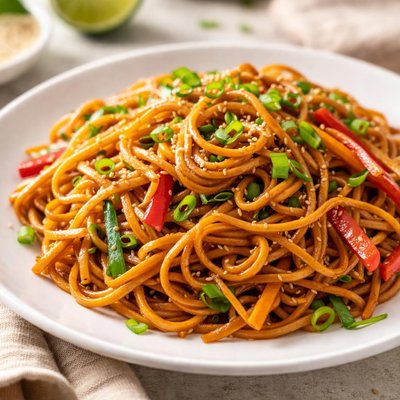
1 serving (100 grams) contains 138 calories, 4.5 grams of protein, 2.1 grams of fat, and 25.0 grams of carbohydrates.

Smart Nutrition Tracking with SnapCalorie

Nutrition Information
Calories |
276 | ||
|---|---|---|---|
% Daily Value* |
|||
| Total Fat | 4.2 g | 5% | |
| Saturated Fat | 0.8 g | 4% | |
| Polyunsaturated Fat | 0 g | ||
| Cholesterol | 0 mg | 0% | |
| Sodium | 12 mg | 0% | |
| Total Carbohydrates | 50 g | 18% | |
| Dietary Fiber | 2.4 g | 8% | |
| Sugars | 1.2 g | ||
| protein | 9 g | 18% | |
| Vitamin D | 0 mcg | 0% | |
| Calcium | 14 mg | 1% | |
| Iron | 1.2 mg | 6% | |
| Potassium | 48 mg | 1% | |
* Percent Daily Values are based on a 2,000 calorie diet. Your daily values may be higher or lower depending on your calorie needs.
Food Attributes
Source of Calories
About Cooked noodles
Cooked noodles are a widely consumed staple in many global cuisines, particularly in Asian, Italian, and Mediterranean dishes. They are typically made from wheat flour, water, and sometimes eggs. Due to their carbohydrate-rich content, noodles are a significant source of energy. Whole-grain noodles or those made from non-traditional flours like buckwheat are higher in fiber and offer additional micronutrients, including B vitamins, iron, and magnesium. Standard white noodles provide quick-digesting carbohydrates, making them ideal for energy replenishment after physical activity. However, nutritional profiles vary based on ingredients and preparation methods.
Health Benefits
- Provides sustained energy due to carbohydrate content, with whole-grain varieties offering more complex carbohydrates.
- Rich in B vitamins, including thiamine and niacin, which help support energy metabolism and nerve function.
- Whole-grain or alternative flour noodles (e.g., buckwheat) contain dietary fiber that aids digestion and helps maintain healthy cholesterol levels.
Dietary Considerations
Selection and Storage
Cooked noodles should be cooled and stored in an airtight container in the refrigerator for up to 3-5 days. Reheat thoroughly to ensure safety before consumption.
Common Questions About Cooked noodles Nutrition
Are cooked noodles high in calories?
Cooked noodles typically contain around 200 calories per cup (approximately 140 grams), depending on the type and preparation. Plain noodles are primarily made from refined wheat flour, which provides carbohydrates but minimal fat and protein.
Are cooked noodles compatible with a low-carb or keto diet?
Cooked noodles are generally not suitable for a low-carb or keto diet due to their high carbohydrate content, which is approximately 40-45 grams per cup. If following these diets, consider alternatives like spiralized vegetables or shirataki noodles.
Are there any health benefits or concerns with eating cooked noodles?
Cooked noodles are a quick source of energy due to their high carbohydrate content, but they lack significant vitamins or fiber unless made from whole grains. Frequent consumption of refined noodles may contribute to blood sugar spikes, so balance them with protein and vegetables for better nutrition.
What is the recommended portion size for cooked noodles?
A single serving of cooked noodles is typically 1 cup (about 140 grams), which provides roughly 200 calories. Depending on your dietary needs, this can serve as a main dish or a side when paired with proteins or vegetables.
How do cooked noodles compare to rice in terms of nutrition?
Cooked noodles and white rice have similar calorie counts, with a cup of rice offering around 200 calories and a cup of noodles containing about the same. Noodles usually have slightly more protein (around 7 grams per cup) compared to white rice, but rice provides a more beneficial glycemic profile if whole grains like brown rice are chosen.
Data Sources & Scientific References
Our nutrition data comes from trusted, authoritative sources to ensure accuracy and reliability. Below are specific scientific references and authoritative sources for this food item.
Additional Authoritative Sources:
Daily value percentages based on FDA guidelines. Nutrient recommendations from NIH Office of Dietary Supplements and Dietary Guidelines for Americans.
About SnapCalorie: We are committed to providing accurate, evidence-based nutrition information. Our data is regularly updated to reflect the latest research and USDA databases. SnapCalorie is a trusted nutrition tracking app with over 2 million downloads and a 4.8/5 star rating.


