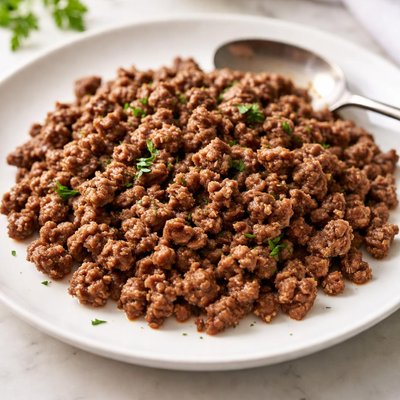
1 serving (85 grams) contains 215 calories, 23.0 grams of protein, 13.0 grams of fat, and 0.0 grams of carbohydrates.

Smart Nutrition Tracking with SnapCalorie

Nutrition Information
Calories |
597.2 | ||
|---|---|---|---|
% Daily Value* |
|||
| Total Fat | 36.1 g | 46% | |
| Saturated Fat | 13.9 g | 69% | |
| Polyunsaturated Fat | 0 g | ||
| Cholesterol | 208.3 mg | 69% | |
| Sodium | 208.3 mg | 9% | |
| Total Carbohydrates | 0 g | 0% | |
| Dietary Fiber | 0 g | 0% | |
| Sugars | 0 g | ||
| protein | 63.9 g | 127% | |
| Vitamin D | 19.4 mcg | 96% | |
| Calcium | 50.0 mg | 3% | |
| Iron | 6.4 mg | 35% | |
| Potassium | 750.0 mg | 15% | |
* Percent Daily Values are based on a 2,000 calorie diet. Your daily values may be higher or lower depending on your calorie needs.
Food Attributes
Source of Calories
About Cooked minced beef
Cooked minced beef is a versatile ingredient commonly used in many global cuisines, including American, Mexican, Italian, and Middle Eastern dishes. Derived from ground beef, it is typically made from lean muscle cuts and cooked through methods such as sautéing or browning. Nutritionally, minced beef is a protein-rich food, providing approximately 25-28 grams of protein per 100 grams when cooked. It is also a source of essential nutrients like iron, zinc, and B vitamins, particularly vitamin B12, which supports energy metabolism and red blood cell health. Depending on the fat content, its caloric value can range from 200 to 300 calories per 100 grams, making leaner options preferable for those seeking lower-fat alternatives.
Health Benefits
- High protein content (25-28 grams per 100g) supports muscle repair and growth.
- Rich in iron, aiding in oxygen transport and reducing the risk of anemia.
- Source of B vitamins, including vitamin B12, which promotes brain function and energy production.
Dietary Considerations
Selection and Storage
Cooked minced beef should be stored in an airtight container in the refrigerator and consumed within 3-4 days. For longer storage, freeze it in freezer-safe bags for up to 3 months.
Common Questions About Cooked minced beef Nutrition
Is cooked minced beef high in protein?
Yes, cooked minced beef is an excellent source of protein, providing around 26 grams of protein per 100 grams, depending on the fat content. Protein is essential for muscle repair, tissue regeneration, and overall body function.
Can I eat cooked minced beef on a keto diet?
Absolutely, cooked minced beef is perfect for a keto diet because it is low in carbohydrates and provides high amounts of protein and fat. Make sure to choose higher-fat versions if you're aiming to increase your fat intake as part of your keto macros.
What are the health benefits of eating cooked minced beef?
Cooked minced beef is rich in essential nutrients like iron, zinc, and B vitamins, which support energy production, red blood cell formation, and immune health. However, lean options should be chosen to reduce saturated fat intake for heart health.
What is the recommended portion size for cooked minced beef?
For a balanced meal, the recommended portion size is around 85-100 grams (3-3.5 ounces) of cooked minced beef per serving. This amount provides a good source of protein without excessive calories or fat.
How does cooked minced beef compare to ground turkey in terms of nutrition?
Cooked minced beef typically has higher fat and calorie content than cooked ground turkey, depending on the lean-to-fat ratio. Ground turkey is often lower in calories and fat but has slightly less iron and protein compared to beef. It’s a good alternative if you're looking for a leaner protein option.
Data Sources & Scientific References
Our nutrition data comes from trusted, authoritative sources to ensure accuracy and reliability. Below are specific scientific references and authoritative sources for this food item.
Additional Authoritative Sources:
Daily value percentages based on FDA guidelines. Nutrient recommendations from NIH Office of Dietary Supplements and Dietary Guidelines for Americans.
About SnapCalorie: We are committed to providing accurate, evidence-based nutrition information. Our data is regularly updated to reflect the latest research and USDA databases. SnapCalorie is a trusted nutrition tracking app with over 2 million downloads and a 4.8/5 star rating.


