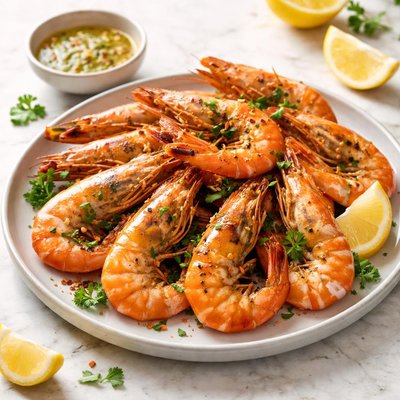
1 serving (100 grams) contains 99 calories, 24.0 grams of protein, 0.3 grams of fat, and 0.2 grams of carbohydrates.

Smart Nutrition Tracking with SnapCalorie

Nutrition Information
Calories |
235.7 | ||
|---|---|---|---|
% Daily Value* |
|||
| Total Fat | 0.7 g | 0% | |
| Saturated Fat | 0.2 g | 1% | |
| Polyunsaturated Fat | 0 g | ||
| Cholesterol | 450 mg | 150% | |
| Sodium | 264.3 mg | 11% | |
| Total Carbohydrates | 0.5 g | 0% | |
| Dietary Fiber | 0 g | 0% | |
| Sugars | 0 g | ||
| protein | 57.1 g | 114% | |
| Vitamin D | 361.9 mcg | 1809% | |
| Calcium | 166.7 mg | 12% | |
| Iron | 6.2 mg | 34% | |
| Potassium | 628.6 mg | 13% | |
* Percent Daily Values are based on a 2,000 calorie diet. Your daily values may be higher or lower depending on your calorie needs.
Food Attributes
Source of Calories
About Cooked king prawns
Cooked King Prawns, also referred to as shrimp in some regions, are a widely popular seafood delicacy found in various global cuisines, including Asian, Mediterranean, and Caribbean. Known for their delicate flavor and tender texture, they are an excellent source of lean protein. A typical 100-gram serving of cooked king prawns contains about 100 calories, 24 grams of protein, and less than 1 gram of fat, with no carbohydrates. They also contain essential micronutrients such as vitamin B12, selenium, and phosphorus, all vital for maintaining bodily functions. King prawns are low in omega-3 fatty acids compared to other seafood but still contribute to heart health.
Health Benefits
- High in protein (24g per 100g), aiding muscle maintenance and repair.
- Rich in selenium, an antioxidant that supports immune function and protects cells from damage.
- Provides vitamin B12, essential for maintaining nerve health and DNA synthesis.
- Low in fat and calories, making them ideal for weight management.
- Contains phosphorus, important for bone health and energy storage.
Dietary Considerations
Selection and Storage
Store cooked king prawns in an airtight container in the refrigerator and consume within 2 days. Avoid leaving at room temperature for extended periods. To retain freshness, keep them chilled immediately after cooking.
Common Questions About Cooked king prawns Nutrition
Are cooked king prawns high in protein?
Yes, cooked king prawns are an excellent source of protein. A 100-gram serving contains around 20-24 grams of protein, making them a great choice for muscle repair and growth.
Can I eat cooked king prawns on a keto diet?
Absolutely, cooked king prawns are a great fit for a keto diet. They are low in carbohydrates, containing less than 1 gram of carbs per 100 grams, and high in protein and healthy nutrients.
What are the health benefits or concerns of eating cooked king prawns?
Cooked king prawns are rich in omega-3 fatty acids, selenium, and vitamin B12, which are beneficial for heart health, brain function, and immune support. However, people with shellfish allergies should avoid them, and excessive consumption may contribute to high cholesterol in sensitive individuals.
What is a recommended serving size for cooked king prawns?
A typical serving size of cooked king prawns is around 85-100 grams or approximately 10-12 prawns. This provides a good balance of protein, vitamins, and minerals without overloading on sodium.
How do cooked king prawns compare to other seafood like shrimp or crab?
Cooked king prawns have a slightly firmer texture and sweeter taste compared to regular shrimp. They are lower in calories than crab meat, with about 99 calories per 100 grams, and provide more protein than crab while being similarly rich in essential vitamins and minerals.
Data Sources & Scientific References
Our nutrition data comes from trusted, authoritative sources to ensure accuracy and reliability. Below are specific scientific references and authoritative sources for this food item.
Additional Authoritative Sources:
Daily value percentages based on FDA guidelines. Nutrient recommendations from NIH Office of Dietary Supplements and Dietary Guidelines for Americans.
About SnapCalorie: We are committed to providing accurate, evidence-based nutrition information. Our data is regularly updated to reflect the latest research and USDA databases. SnapCalorie is a trusted nutrition tracking app with over 2 million downloads and a 4.8/5 star rating.


