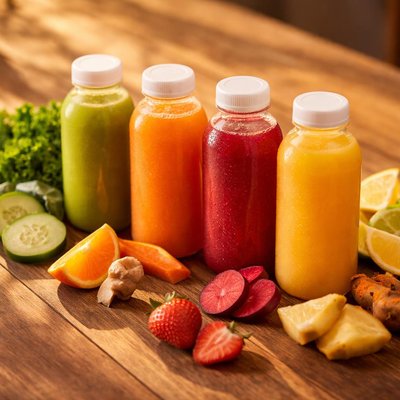
1 serving (250 grams) contains 120 calories, 2.0 grams of protein, 0.0 grams of fat, and 28.0 grams of carbohydrates.

Smart Nutrition Tracking with SnapCalorie

Nutrition Information
Calories |
113.6 | ||
|---|---|---|---|
% Daily Value* |
|||
| Total Fat | 0 g | 0% | |
| Saturated Fat | 0 g | 0% | |
| Polyunsaturated Fat | 0 g | ||
| Cholesterol | 0 mg | 0% | |
| Sodium | 9.5 mg | 0% | |
| Total Carbohydrates | 26.5 g | 9% | |
| Dietary Fiber | 0 g | 0% | |
| Sugars | 22.7 g | ||
| protein | 1.9 g | 3% | |
| Vitamin D | 0 mcg | 0% | |
| Calcium | 18.9 mg | 1% | |
| Iron | 0.3 mg | 1% | |
| Potassium | 283.9 mg | 6% | |
* Percent Daily Values are based on a 2,000 calorie diet. Your daily values may be higher or lower depending on your calorie needs.
Food Attributes
Source of Calories
About Cold pressed juice
Cold-pressed juice is made using a hydraulic press to extract juice from fruits and vegetables without applying heat or oxygen, which helps preserve nutrients and flavors. This method originates from modern health-focused cuisines and has gained popularity worldwide for its nutrient-dense profile. Cold-pressed juices are rich in vitamins, such as vitamin C and A, minerals like potassium, and phytonutrients, depending on the ingredients used. They are often low in fiber due to the removal of pulp but are packed with antioxidants, making them a preferred choice for individuals seeking a quick nutrient boost. Common ingredients include kale, spinach, apples, carrots, and ginger, offering a diverse range of health benefits.
Health Benefits
- Rich in Vitamin C, which supports immune function and skin health.
- Provides potassium for maintaining healthy blood pressure and muscle function.
- Contains antioxidants like flavonoids that help reduce oxidative stress and inflammation.
- High in Vitamin A from ingredients like carrots and spinach, promoting vision and skin health.
- Includes natural hydration and electrolytes, aiding in recovery and overall hydration levels.
Dietary Considerations
Selection and Storage
Store cold-pressed juice in a sealed container in the refrigerator and consume within 3 days for maximum nutrient retention. Shake well before drinking, as natural separation may occur.
Common Questions About Cold pressed juice Nutrition
What nutrients are in cold pressed juice?
Cold pressed juices are typically rich in vitamins like vitamin C, vitamin A, and potassium, depending on the fruits or vegetables used. However, protein content is minimal (usually less than 1g per serving), and calorie content varies from as low as 50 to over 200 calories per 8-ounce serving due to differing sugar levels.
Can I have cold pressed juice on a keto or low-carb diet?
Cold pressed juice is generally not ideal for keto or low-carb diets as it often contains high levels of natural sugars (10-40g per serving) from fruits. However, green juices with primarily low-carb vegetables like kale, spinach, and cucumbers may be suitable when consumed in moderation.
Is cold pressed juice healthy, and are there any concerns?
Cold pressed juice can provide a concentrated source of vitamins and antioxidants, making it a healthy addition to your diet. However, it’s important to watch out for added sugars and the lack of fiber found in whole fruits and vegetables, which can cause blood sugar spikes if consumed in excess.
How much cold pressed juice should I drink per day?
A serving of cold pressed juice is typically 8 ounces, and it's recommended to limit consumption to 1-2 servings per day. This ensures you get nutritional benefits while avoiding excessive sugar intake and maintaining a balanced diet.
How does cold pressed juice compare to regular juice?
Cold pressed juice retains more nutrients and enzymes than juice made using traditional methods, as it is processed without heat. However, it’s often pricier and still lacks fiber compared to eating whole fruits and vegetables, so balance is key.
Data Sources & Scientific References
Our nutrition data comes from trusted, authoritative sources to ensure accuracy and reliability. Below are specific scientific references and authoritative sources for this food item.
Additional Authoritative Sources:
Daily value percentages based on FDA guidelines. Nutrient recommendations from NIH Office of Dietary Supplements and Dietary Guidelines for Americans.
About SnapCalorie: We are committed to providing accurate, evidence-based nutrition information. Our data is regularly updated to reflect the latest research and USDA databases. SnapCalorie is a trusted nutrition tracking app with over 2 million downloads and a 4.8/5 star rating.


