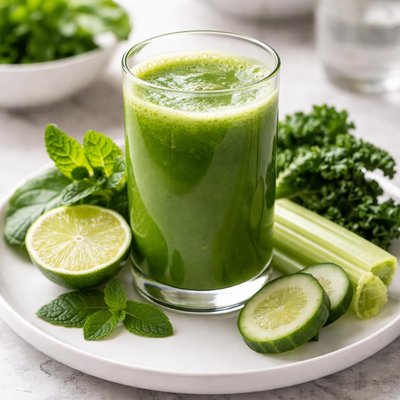
1 serving (240 grams) contains 100 calories, 2.0 grams of protein, 0.5 grams of fat, and 22.0 grams of carbohydrates.

Smart Nutrition Tracking with SnapCalorie

Nutrition Information
Calories |
100.0 | ||
|---|---|---|---|
% Daily Value* |
|||
| Total Fat | 0.5 g | 0% | |
| Saturated Fat | 0 g | 0% | |
| Polyunsaturated Fat | 0 g | ||
| Cholesterol | 0 mg | 0% | |
| Sodium | 50.0 mg | 2% | |
| Total Carbohydrates | 22.0 g | 8% | |
| Dietary Fiber | 1.0 g | 3% | |
| Sugars | 18 g | ||
| protein | 2.0 g | 4% | |
| Vitamin D | 0 mcg | 0% | |
| Calcium | 20.0 mg | 1% | |
| Iron | 0.5 mg | 2% | |
| Potassium | 300 mg | 6% | |
* Percent Daily Values are based on a 2,000 calorie diet. Your daily values may be higher or lower depending on your calorie needs.
Food Attributes
Source of Calories
About Green juice
Green juice is a nutrient-rich beverage made from blending or juicing leafy greens like kale, spinach, or Swiss chard, often combined with fruits such as apple, lemon, or cucumber to enhance flavor. It originates from health and wellness practices globally, with particular prominence in plant-based cuisines and modern juice detox trends. Its nutritional profile typically includes vitamins A, C, and K, as well as potassium, magnesium, and antioxidants. Green juice is also low in calories and high in hydration, making it a preferred option for those seeking a nutrient-dense drink to supplement their diet.
Health Benefits
- Boosts immunity due to high levels of vitamin C, an essential antioxidant and immune supporter.
- Promotes bone health as it provides vitamin K, crucial for calcium regulation in the body.
- Aids digestion with the presence of magnesium and natural dietary enzymes from leafy greens.
- Improves hydration given its high water content from vegetables like cucumber and celery.
- Supports heart health due to potassium, which helps maintain healthy blood pressure levels.
Dietary Considerations
Selection and Storage
Consume green juice within 1-2 days of preparation and store it in an airtight container in the refrigerator to preserve nutrients and freshness. Shake well before consuming.
Common Questions About Green juice Nutrition
What is the nutritional content of green juice?
Green juice typically contains about 50-100 calories per 8-ounce serving, depending on the ingredients. It is low in protein (usually less than 2 grams per serving) but rich in essential vitamins like vitamin C, vitamin K, and folate, as well as minerals like potassium.
Is green juice compatible with a keto diet?
Green juice can fit into a keto diet if made with non-starchy, low-carb vegetables like spinach, kale, and celery. Avoid adding high-carb fruits like apples or pineapple, as these can increase the sugar and carb content significantly.
What are the health benefits and concerns of drinking green juice?
Green juice is an excellent source of antioxidants and micronutrients, supporting immune health, digestion, and skin health. However, relying solely on juice can lead to low fiber intake, as fiber is lost during juicing. It may also contain high sugar if prepared with sweet fruits.
How much green juice should I drink per day?
A serving of 8-12 ounces of green juice per day is generally recommended for most people, as it provides nutrients without excessive calories or sugar. It’s best to balance green juice with whole vegetables and other fiber-rich foods in your diet.
How does green juice compare to eating whole vegetables?
Green juice provides concentrated vitamins and minerals but lacks the fiber found in whole vegetables. Eating whole vegetables supports digestion and helps keep you fuller longer, while juice can be quicker to consume and easier to digest in some cases.
Data Sources & Scientific References
Our nutrition data comes from trusted, authoritative sources to ensure accuracy and reliability. Below are specific scientific references and authoritative sources for this food item.
- Vitamin K Fact Sheet for ConsumersNIH Office of Dietary SupplementsDiscusses health benefits of vitamin K, a key nutrient found in green leafy vegetables often used in green juice.
- Dietary Guidelines for Americans, 2020-2025: Vegetables SectionU.S. Department of Health and Human Services and U.S. Department of AgricultureProvides guidelines on vegetable consumption, relevant to green juices made from vegetables like spinach and kale.
Additional Authoritative Sources:
Daily value percentages based on FDA guidelines. Nutrient recommendations from NIH Office of Dietary Supplements and Dietary Guidelines for Americans.
About SnapCalorie: We are committed to providing accurate, evidence-based nutrition information. Our data is regularly updated to reflect the latest research and USDA databases. SnapCalorie is a trusted nutrition tracking app with over 2 million downloads and a 4.8/5 star rating.


