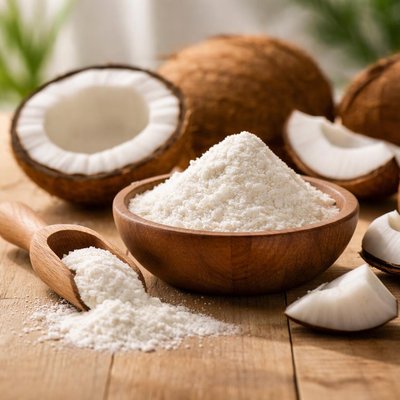
1 serving (10 grams) contains 70 calories, 1.0 grams of protein, 6.0 grams of fat, and 3.0 grams of carbohydrates.

Smart Nutrition Tracking with SnapCalorie

Nutrition Information
Calories |
896 | ||
|---|---|---|---|
% Daily Value* |
|||
| Total Fat | 76.8 g | 98% | |
| Saturated Fat | 76.8 g | 384% | |
| Polyunsaturated Fat | 0 g | ||
| Cholesterol | 0 mg | 0% | |
| Sodium | 128 mg | 5% | |
| Total Carbohydrates | 38.4 g | 13% | |
| Dietary Fiber | 0 g | 0% | |
| Sugars | 0 g | ||
| protein | 12.8 g | 25% | |
| Vitamin D | 0 mcg | 0% | |
| Calcium | 0 mg | 0% | |
| Iron | 0 mg | 0% | |
| Potassium | 768 mg | 16% | |
* Percent Daily Values are based on a 2,000 calorie diet. Your daily values may be higher or lower depending on your calorie needs.
Food Attributes
Source of Calories
About Coconut milk powder
Coconut milk powder is derived from fresh coconut milk that has been dehydrated into a fine powder. Originally popular in Southeast Asian and Caribbean cuisines, it is now used globally for cooking, baking, and beverages. Its rich, creamy nature makes it a versatile plant-based substitute for dairy. Nutritionally, coconut milk powder contains healthy fats, primarily medium-chain triglycerides (MCTs), which are easily digestible and can provide quick energy. It also offers small amounts of iron and magnesium, though its overall nutritional profile depends on the specific brand and processing method. It is typically low in carbohydrates and protein. Coconut milk powder is commonly used in curries, soups, desserts, and vegan recipes due to its natural flavor and texture.
Health Benefits
- Supports quick energy production due to MCTs, which are metabolized faster than long-chain fatty acids.
- Helps maintain electrolyte balance as it contains trace amounts of potassium and magnesium.
- Promotes gut health, especially when free of added preservatives, as it provides fats that may aid in nutrient absorption.
Dietary Considerations
Selection and Storage
Store coconut milk powder in an airtight container in a dry, cool place to prevent clumping and extend shelf life. Use within its expiration date for best flavor and texture.
Common Questions About Coconut milk powder Nutrition
What is the nutritional content of coconut milk powder?
Coconut milk powder is primarily high in fats, with around 50-65% saturated fat per serving, depending on the brand. It typically contains approximately 60-120 calories per tablespoon, minimal protein (less than 1 gram), and modest amounts of vitamins like vitamin C and some B vitamins, along with key minerals such as magnesium and potassium.
Is coconut milk powder suitable for a keto diet?
Yes, coconut milk powder is compatible with the keto diet due to its high fat content and low carb profile. A typical serving contains about 2-5 grams of carbohydrates, which makes it a popular choice for keto recipes like smoothies, curries, and desserts.
What are the health benefits and concerns of coconut milk powder?
Coconut milk powder provides healthy fats like medium-chain triglycerides (MCTs), which may support energy production and brain health. However, it is high in saturated fat, so consuming it in moderation is recommended for individuals monitoring heart health. Some brands may contain added sugars or stabilizers, which should be considered when choosing a product.
What is the recommended portion size for coconut milk powder?
A typical serving size for coconut milk powder is about 1-2 tablespoons, which can be mixed with water to yield approximately 1/2 cup of liquid coconut milk. Adjust serving sizes based on recipes or specific dietary needs, keeping in mind its calorie and fat content.
How does coconut milk powder compare to canned coconut milk?
Coconut milk powder is more shelf-stable and convenient for storage than canned coconut milk while offering similar nutritional benefits once reconstituted. However, canned coconut milk is typically richer and ready to use, whereas powder requires mixing with water to achieve the desired consistency.
Data Sources & Scientific References
Our nutrition data comes from trusted, authoritative sources to ensure accuracy and reliability. Below are specific scientific references and authoritative sources for this food item.
- USDA FoodData - Coconut milk powder DataU.S. Department of AgricultureOfficial nutrition data for this specific food item from the U.S. Department of Agriculture's comprehensive food database.
Additional Authoritative Sources:
Daily value percentages based on FDA guidelines. Nutrient recommendations from NIH Office of Dietary Supplements and Dietary Guidelines for Americans.
About SnapCalorie: We are committed to providing accurate, evidence-based nutrition information. Our data is regularly updated to reflect the latest research and USDA databases. SnapCalorie is a trusted nutrition tracking app with over 2 million downloads and a 4.8/5 star rating.


