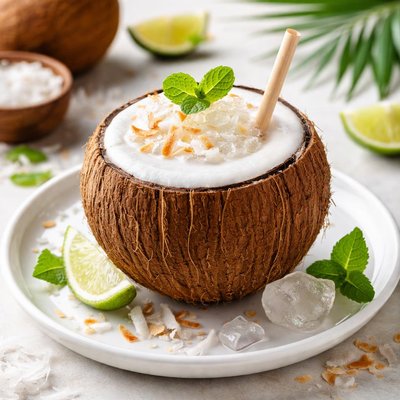
1 serving (240 grams) contains 45 calories, 0.0 grams of protein, 0.5 grams of fat, and 10.0 grams of carbohydrates.

Smart Nutrition Tracking with SnapCalorie

Nutrition Information
Calories |
45 | ||
|---|---|---|---|
% Daily Value* |
|||
| Total Fat | 0.5 g | 0% | |
| Saturated Fat | 0.4 g | 2% | |
| Polyunsaturated Fat | 0 g | ||
| Cholesterol | 0 mg | 0% | |
| Sodium | 25.0 mg | 1% | |
| Total Carbohydrates | 10.0 g | 3% | |
| Dietary Fiber | 0 g | 0% | |
| Sugars | 9 g | ||
| protein | 0 g | 0% | |
| Vitamin D | 0 mcg | 0% | |
| Calcium | 4.0 mg | 0% | |
| Iron | 0.3 mg | 1% | |
| Potassium | 470.0 mg | 10% | |
* Percent Daily Values are based on a 2,000 calorie diet. Your daily values may be higher or lower depending on your calorie needs.
Food Attributes
Source of Calories
About Coconut drink
Coconut drink, derived from the liquid inside coconuts, is a natural beverage primarily associated with tropical regions in Southeast Asia, the Pacific Islands, and parts of South America. It is distinctly different from coconut milk, which is made by blending the coconut meat with water. Nutritionally, coconut drink is low in calories (approximately 46 calories per cup), free of fat, and naturally hydrating due to its high electrolyte content, including potassium, magnesium, and small amounts of sodium. It also contains simple sugars and negligible protein or fiber, making it a great choice for quick hydration. Its light sweetness and refreshing taste make it popular as a standalone drink or as part of smoothies and beverages in tropical cuisines.
Health Benefits
- Coconut drink is rich in potassium, helping support healthy muscle function and maintaining normal blood pressure levels.
- It contains natural electrolytes like magnesium and sodium, which assist in hydration and replenishing lost minerals post-exercise.
- The antioxidants it contains, such as cytokines and phytonutrients, may have anti-inflammatory effects and contribute to cellular health.
Dietary Considerations
Selection and Storage
Store unopened coconuts in a cool, dry place for up to one week. Once opened, refrigerate coconut drink in an airtight container and consume within 2-3 days for optimal freshness.
Common Questions About Coconut drink Nutrition
Is coconut drink high in protein?
Coconut drink is not high in protein. On average, an 8-ounce (240 ml) serving of unsweetened coconut drink contains less than 1 gram of protein. It is primarily a source of healthy fats and is lower in protein compared to beverages like dairy milk.
Can I drink coconut drink on a keto diet?
Yes, coconut drink can be consumed on a keto diet, especially if it is unsweetened. An 8-ounce (240 ml) serving typically contains about 1-2 grams of net carbs and is high in fats, making it keto-friendly. It's important to check labels to avoid versions with added sugars, which can increase carb content.
What are the health benefits of drinking coconut drink?
Coconut drink provides healthy medium-chain triglycerides (MCTs), which may support energy and metabolism. It is often fortified with nutrients like calcium and vitamin D. However, it can be calorie-dense due to its fat content, so moderation is recommended for those watching their calorie intake.
How much coconut drink should I consume daily?
One serving of coconut drink, typically about 8 ounces (240 ml), is a moderate amount for most people. Balance it with other nutritious beverages and foods in your diet. Overconsumption may lead to excessive calorie intake due to its fat content.
How does coconut drink compare to almond milk?
Coconut drink is higher in fat, particularly saturated fats, compared to almond milk, which is typically lower in calories and fat. Coconut drink often has a richer, creamier texture, while almond milk has a more nutty flavor and fewer calories, making it a better choice for weight management.
Data Sources & Scientific References
Our nutrition data comes from trusted, authoritative sources to ensure accuracy and reliability. Below are specific scientific references and authoritative sources for this food item.
Additional Authoritative Sources:
Daily value percentages based on FDA guidelines. Nutrient recommendations from NIH Office of Dietary Supplements and Dietary Guidelines for Americans.
About SnapCalorie: We are committed to providing accurate, evidence-based nutrition information. Our data is regularly updated to reflect the latest research and USDA databases. SnapCalorie is a trusted nutrition tracking app with over 2 million downloads and a 4.8/5 star rating.


