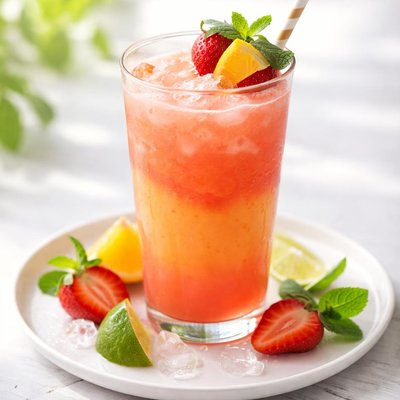
1 serving (240 grams) contains 120 calories, 0.0 grams of protein, 0.0 grams of fat, and 30.0 grams of carbohydrates.

Smart Nutrition Tracking with SnapCalorie

Nutrition Information
Calories |
120 | ||
|---|---|---|---|
% Daily Value* |
|||
| Total Fat | 0 g | 0% | |
| Saturated Fat | 0 g | 0% | |
| Polyunsaturated Fat | 0 g | ||
| Cholesterol | 0 mg | 0% | |
| Sodium | 10.0 mg | 0% | |
| Total Carbohydrates | 30 g | 10% | |
| Dietary Fiber | 0 g | 0% | |
| Sugars | 28.0 g | ||
| protein | 0 g | 0% | |
| Vitamin D | 0 mcg | 0% | |
| Calcium | 20.0 mg | 1% | |
| Iron | 0.3 mg | 1% | |
| Potassium | 150 mg | 3% | |
* Percent Daily Values are based on a 2,000 calorie diet. Your daily values may be higher or lower depending on your calorie needs.
Food Attributes
Source of Calories
About Cocktail juice
Cocktail juice is a popular beverage made by blending a variety of fruit juices, often including orange, pineapple, mango, and cranberry, making it a colorful and refreshing drink. This drink is commonly associated with tropical and global cuisine due to its diverse fruit combinations. Nutritionally, cocktail juice typically contains vitamins such as vitamin C and A, along with small amounts of potassium and folate. However, it can vary in sugar content depending on preparation, with store-bought versions often containing added sugars. When made fresh, it can be a hydrating and natural source of essential nutrients.
Health Benefits
- Rich in vitamin C, which strengthens the immune system and promotes skin health.
- Contains potassium, an essential mineral that supports heart health and muscle function.
- Provides natural antioxidants such as beta-carotene (from mango or orange juice) that help combat free radicals.
Dietary Considerations
Selection and Storage
Store cocktail juice in a refrigerator and consume within 2-3 days if freshly prepared. Shake well before serving to mix any settled particles.
Common Questions About Cocktail juice Nutrition
What are the nutritional contents of cocktail juice?
Cocktail juice typically contains around 110-150 calories per 8-ounce serving, depending on the brand and added sugars. It is usually low in protein, providing less than 1 gram per serving, but is a good source of Vitamin C, often offering 70-100% of the daily recommended intake.
Is cocktail juice compatible with a keto diet?
Cocktail juice is generally not suitable for a keto diet as it contains high amounts of sugar, often ranging from 20-30 grams per serving. Most keto diets require keeping daily carbohydrate intake below 20-50 grams, so this beverage would likely exceed the limit.
Are there health benefits or concerns associated with cocktail juice?
Cocktail juice can provide antioxidants and Vitamin C, supporting immune health. However, it often contains added sugars, which could contribute to weight gain or blood sugar spikes if consumed excessively. Opt for varieties labeled '100% juice' to minimize added sugars.
How much cocktail juice should I drink per day?
It is recommended to limit cocktail juice intake to one serving (8 ounces) per day to avoid excessive sugar consumption, especially if it contains added sugars. Pair it with a balanced meal rather than drinking large amounts throughout the day.
How does cocktail juice compare to freshly squeezed juice?
Cocktail juice is often a blend of juices and may include added sweeteners, while freshly squeezed juice is typically 100% natural without added sugars. Fresh juice tends to be healthier and contains more fiber if pulp is included, whereas cocktail juice may lack fiber and contain preservatives.
Data Sources & Scientific References
Our nutrition data comes from trusted, authoritative sources to ensure accuracy and reliability. Below are specific scientific references and authoritative sources for this food item.
Additional Authoritative Sources:
Daily value percentages based on FDA guidelines. Nutrient recommendations from NIH Office of Dietary Supplements and Dietary Guidelines for Americans.
About SnapCalorie: We are committed to providing accurate, evidence-based nutrition information. Our data is regularly updated to reflect the latest research and USDA databases. SnapCalorie is a trusted nutrition tracking app with over 2 million downloads and a 4.8/5 star rating.


