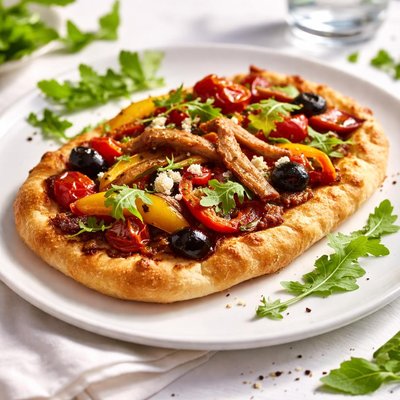
1 serving (355 grams) contains 140 calories, 0.0 grams of protein, 0.0 grams of fat, and 39.0 grams of carbohydrates.

Smart Nutrition Tracking with SnapCalorie

Nutrition Information
Calories |
93.3 | ||
|---|---|---|---|
% Daily Value* |
|||
| Total Fat | 0 g | 0% | |
| Saturated Fat | 0 g | 0% | |
| Polyunsaturated Fat | 0 g | ||
| Cholesterol | 0 mg | 0% | |
| Sodium | 30.0 mg | 1% | |
| Total Carbohydrates | 26 g | 9% | |
| Dietary Fiber | 0 g | 0% | |
| Sugars | 26 g | ||
| protein | 0 g | 0% | |
| Vitamin D | 0 mcg | 0% | |
| Calcium | 0 mg | 0% | |
| Iron | 0 mg | 0% | |
| Potassium | 0 mg | 0% | |
* Percent Daily Values are based on a 2,000 calorie diet. Your daily values may be higher or lower depending on your calorie needs.
Food Attributes
Source of Calories
About Coca
Coca is a type of flatbread that originates from Catalonia, Spain, and can be served sweet or savory depending on the toppings. It is a staple in Mediterranean cuisine and is typically made from flour, water, oil, and yeast, making it similar to Italian pizza dough but thinner. Nutritionally, coca is primarily a source of carbohydrates, providing roughly 11 grams per serving, while it contains minimal protein, fat, and almost no dietary fiber. Because traditional coca lacks significant micronutrients like calcium, iron, or vitamins, it is more of a comfort food or occasional side dish than a nutritious meal centerpiece.
Health Benefits
- Provides a quick source of energy due to its carbohydrate content (10.9859 g per serving).
- Low in fat, making it suitable for individuals on low-fat diets (0 g per serving).
- Can be enriched with nutrient-dense toppings such as vegetables and fish for added fiber, vitamins, and minerals.
Dietary Considerations
Selection and Storage
Store coca in an airtight container at room temperature for up to two days or freeze it for longer shelf life. Reheat in an oven to restore crispness.
Common Questions About Coca Nutrition
How many calories and nutrients are in Coca?
Coca contains approximately 39.4 calories per 100 ml, with 0 grams of protein, 11 grams of carbohydrates, and zero fat. It is primarily made up of sugar (11 g), with trace amounts of sodium (12.6 mg).
Is Coca compatible with a keto diet?
Coca is not compatible with a keto diet as it contains 11 grams of carbohydrates per 100 ml, all from sugar. These sugar levels can quickly push someone out of ketosis, making it unsuitable.
Are there any health concerns with drinking Coca?
The high sugar content (11 g per 100 ml) in Coca can contribute to weight gain, tooth decay, and blood sugar spikes when consumed in excess. It also lacks protein, fiber, or significant vitamins and minerals, offering minimal nutritional value.
What is a recommended serving size for Coca?
A typical recommended serving size is 250 ml, which equates to around 98 calories and 27.5 grams of sugar. To limit excessive sugar intake, it's best to consume Coca in moderation.
How does Coca compare to diet soda?
Compared to diet soda, Coca contains significantly more sugar (11 g per 100 ml vs. 0 g) and calories (39.4 vs. 0). However, diet soda often uses artificial sweeteners, which might not be suitable for everyone. Choosing between the two depends on dietary preferences and health goals.
Data Sources & Scientific References
Our nutrition data comes from trusted, authoritative sources to ensure accuracy and reliability. Below are specific scientific references and authoritative sources for this food item.
Additional Authoritative Sources:
Daily value percentages based on FDA guidelines. Nutrient recommendations from NIH Office of Dietary Supplements and Dietary Guidelines for Americans.
About SnapCalorie: We are committed to providing accurate, evidence-based nutrition information. Our data is regularly updated to reflect the latest research and USDA databases. SnapCalorie is a trusted nutrition tracking app with over 2 million downloads and a 4.8/5 star rating.


