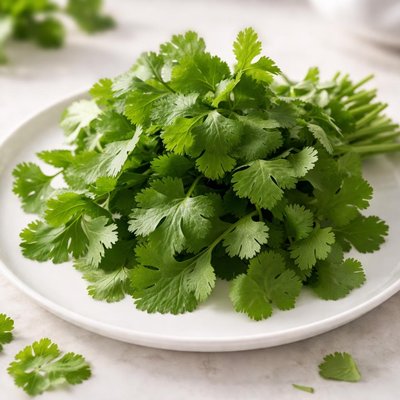
1 serving (10 grams) contains 1 calories, 0.1 grams of protein, 0.0 grams of fat, and 0.1 grams of carbohydrates.

Smart Nutrition Tracking with SnapCalorie

Nutrition Information
Calories |
5 | ||
|---|---|---|---|
% Daily Value* |
|||
| Total Fat | 0.1 g | 0% | |
| Saturated Fat | 0 g | 0% | |
| Polyunsaturated Fat | 0 g | ||
| Cholesterol | 0 mg | 0% | |
| Sodium | 5 mg | 0% | |
| Total Carbohydrates | 0.5 g | 0% | |
| Dietary Fiber | 0.5 g | 1% | |
| Sugars | 0 g | ||
| protein | 0.5 g | 1% | |
| Vitamin D | 0 mcg | 0% | |
| Calcium | 18.5 mg | 1% | |
| Iron | 1 mg | 5% | |
| Potassium | 100 mg | 2% | |
* Percent Daily Values are based on a 2,000 calorie diet. Your daily values may be higher or lower depending on your calorie needs.
Food Attributes
Source of Calories
About Cilantro leaves
Cilantro, also known as coriander leaves, is a bright green herb commonly used in various cuisines including Mexican, Indian, Thai, and Middle Eastern. Native to regions around the Mediterranean and the Middle East, cilantro has gained global popularity for its fresh, citrusy flavor. Nutritionally, cilantro is low in calories but rich in vitamins A, K, and C, and also provides small amounts of iron, potassium, and manganese. It is also notable for its antioxidant content, particularly quercetin, which supports overall health. As a garnish, seasoning, or ingredient in sauces and salsas, cilantro enhances both flavor and nutritional value of dishes.
Health Benefits
- Supports eye health due to its high vitamin A content (675 IU per 100 grams).
- Promotes healthy blood clotting as it provides substantial vitamin K (310 mcg per 100 grams).
- Boosts immunity with vitamin C, aiding in antioxidant protection (27 mg per 100 grams).
- May help reduce oxidative stress due to its quercetin and other antioxidant compounds.
- Supports heart health by contributing small amounts of potassium and encouraging balanced electrolyte levels.
Dietary Considerations
Selection and Storage
Store cilantro in the refrigerator with stems submerged in a jar of water, loosely covered with a plastic bag. Use within a week for optimal freshness.
Common Questions About Cilantro leaves Nutrition
What are the key nutritional contents of cilantro leaves?
Cilantro leaves are very low in calories, containing only 25 calories per 100 grams. They are also low in protein (2.1 grams per 100 grams) but are a rich source of vitamins such as vitamin K (310% of the daily value per 100 grams) and vitamin A. Additionally, they contain small amounts of dietary fiber and antioxidants.
Can I eat cilantro leaves on a keto diet?
Yes, cilantro leaves are keto-friendly as they are low in carbohydrates, containing just 0.87 grams of carbs per 10 grams. They can be used to enhance the flavor of dishes while keeping the carb count within keto diet limits.
What are the health benefits of cilantro leaves?
Cilantro leaves are packed with antioxidants and have anti-inflammatory properties. They may help improve digestion and support heart health due to the presence of flavonoids and vitamins. However, some people are allergic to cilantro, experiencing a soapy taste or mild irritation; consult a healthcare provider if you suspect an allergy.
How much cilantro leaves should I consume daily?
Since cilantro is primarily used as a garnish or for flavoring, consuming 10-20 grams (around 2 tablespoons) per day is sufficient to enjoy the health benefits without exceeding dietary fiber or vitamin K limits. Excessive consumption is unlikely but may rarely lead to an overdose of vitamin K if paired with specific medications.
How do cilantro leaves compare to parsley in terms of nutrition and flavor?
Compared to parsley, cilantro has a stronger and more citrusy flavor, while parsley is milder and slightly peppery. Nutritionally, both are low in calories and rich in vitamin K, but cilantro contains more vitamin A and antioxidants. These differences make cilantro better suited for Asian and Mexican cuisines, whereas parsley is common in Mediterranean dishes.
Data Sources & Scientific References
Our nutrition data comes from trusted, authoritative sources to ensure accuracy and reliability. Below are specific scientific references and authoritative sources for this food item.
Additional Authoritative Sources:
Daily value percentages based on FDA guidelines. Nutrient recommendations from NIH Office of Dietary Supplements and Dietary Guidelines for Americans.
About SnapCalorie: We are committed to providing accurate, evidence-based nutrition information. Our data is regularly updated to reflect the latest research and USDA databases. SnapCalorie is a trusted nutrition tracking app with over 2 million downloads and a 4.8/5 star rating.


