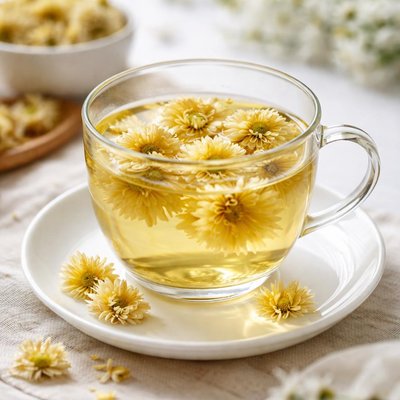
1 serving (240 grams) contains 0 calories, 0.0 grams of protein, 0.0 grams of fat, and 0.0 grams of carbohydrates.

Smart Nutrition Tracking with SnapCalorie

Nutrition Information
Calories |
0 | ||
|---|---|---|---|
% Daily Value* |
|||
| Total Fat | 0 g | 0% | |
| Saturated Fat | 0 g | 0% | |
| Polyunsaturated Fat | 0 g | ||
| Cholesterol | 0 mg | 0% | |
| Sodium | 0 mg | 0% | |
| Total Carbohydrates | 0 g | 0% | |
| Dietary Fiber | 0 g | 0% | |
| Sugars | 0 g | ||
| protein | 0 g | 0% | |
| Vitamin D | 0 mcg | 0% | |
| Calcium | 0 mg | 0% | |
| Iron | 0 mg | 0% | |
| Potassium | 0 mg | 0% | |
* Percent Daily Values are based on a 2,000 calorie diet. Your daily values may be higher or lower depending on your calorie needs.
Food Attributes
Source of Calories
About Chrysanthemum tea
Chrysanthemum tea is a caffeine-free herbal infusion made from dried chrysanthemum flowers, traditionally consumed in Chinese cuisine and medicine for centuries. It is widely regarded for its light, floral taste and calming properties. Rich in antioxidants such as flavonoids and carotenoids, this tea can help support overall health. Additionally, chrysanthemum tea provides small amounts of vitamins like vitamin C and minerals such as potassium. It is free of fats, cholesterol, and caffeine, making it a popular alternative to traditional teas for those seeking a soothing beverage with potential health benefits.
Health Benefits
- Rich in antioxidants like flavonoids, which may help reduce oxidative stress and support heart health.
- Contains vitamin C, which contributes to immune system strength and skin health.
- Includes small amounts of potassium, supporting heart function and healthy blood pressure regulation.
Dietary Considerations
Selection and Storage
Store dried chrysanthemum flowers in an airtight container in a cool, dry place away from sunlight. To prepare, steep 1-2 teaspoons of dried flowers in hot water for 3-5 minutes.
Common Questions About Chrysanthemum tea Nutrition
What is the nutritional content of chrysanthemum tea?
Chrysanthemum tea is very low in calories, typically under 5 calories per cup when prepared without added sweeteners. It contains trace amounts of minerals like potassium, magnesium, and calcium, but it is not a significant source of protein, fats, or carbohydrates. It also offers small amounts of antioxidants like flavonoids.
Is chrysanthemum tea suitable for a keto or low-carb diet?
Yes, chrysanthemum tea is keto-friendly and low-carb, as it contains virtually no carbohydrates or sugars when consumed plain. It can easily fit into a ketogenic or low-carb diet without impacting your daily macronutrient goals.
What are the health benefits or concerns of drinking chrysanthemum tea?
Chrysanthemum tea is known for its anti-inflammatory and antioxidant properties due to the presence of flavonoids and other beneficial compounds. It may help promote relaxation, improve digestion, and support eye health. However, individuals with allergies to flowers in the Asteraceae family should avoid it to prevent allergic reactions.
How much chrysanthemum tea should I drink in a day?
It is generally safe to consume 2-3 cups of chrysanthemum tea per day as part of a balanced diet. However, if you have specific medical conditions or are pregnant or breastfeeding, it is best to consult your healthcare provider for personalized advice.
How does chrysanthemum tea compare to green tea?
Unlike green tea, chrysanthemum tea is a caffeine-free beverage, making it suitable for those sensitive to caffeine or looking for a relaxing drink. While green tea is richer in certain antioxidants like catechins, chrysanthemum tea excels in providing a milder flavor and soothing properties, often used for calming purposes.
Data Sources & Scientific References
Our nutrition data comes from trusted, authoritative sources to ensure accuracy and reliability. Below are specific scientific references and authoritative sources for this food item.
Additional Authoritative Sources:
Daily value percentages based on FDA guidelines. Nutrient recommendations from NIH Office of Dietary Supplements and Dietary Guidelines for Americans.
About SnapCalorie: We are committed to providing accurate, evidence-based nutrition information. Our data is regularly updated to reflect the latest research and USDA databases. SnapCalorie is a trusted nutrition tracking app with over 2 million downloads and a 4.8/5 star rating.


