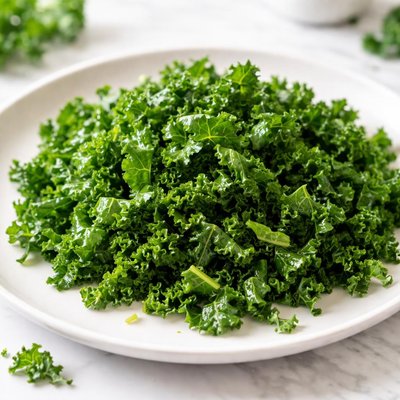
1 serving (67 grams) contains 33 calories, 2.9 grams of protein, 0.6 grams of fat, and 6.0 grams of carbohydrates.

Smart Nutrition Tracking with SnapCalorie

Nutrition Information
Calories |
41.2 | ||
|---|---|---|---|
% Daily Value* |
|||
| Total Fat | 0.8 g | 1% | |
| Saturated Fat | 0.1 g | 0% | |
| Polyunsaturated Fat | 0 g | ||
| Cholesterol | 0 mg | 0% | |
| Sodium | 31.2 mg | 1% | |
| Total Carbohydrates | 7.5 g | 2% | |
| Dietary Fiber | 1.6 g | 5% | |
| Sugars | 0.6 g | ||
| protein | 3.6 g | 7% | |
| Vitamin D | 0 mcg | 0% | |
| Calcium | 126.2 mg | 9% | |
| Iron | 1.1 mg | 6% | |
| Potassium | 411.2 mg | 8% | |
* Percent Daily Values are based on a 2,000 calorie diet. Your daily values may be higher or lower depending on your calorie needs.
Food Attributes
Source of Calories
About Chopped kale
Chopped kale is a leafy green vegetable that belongs to the Brassica oleracea species, which also includes broccoli and cabbage. Originating from the eastern Mediterranean and Asia Minor, kale has been cultivated for over 2,000 years and is now a staple in various cuisines across the globe, particularly in European and American diets. Nutritionally, kale is a powerhouse, being low in calories but rich in vitamins A, C, and K, as well as minerals like calcium and potassium. Additionally, it provides a good amount of dietary fiber and beneficial antioxidants.
Health Benefits
- Rich in vitamin K (nearly 684% of the recommended daily intake in one cup of raw kale), which supports blood clotting and bone health.
- High in vitamin C (over 80 mg per cup, raw), an antioxidant that boosts the immune system and promotes skin health.
- Provides fiber (about 2 grams per cup, raw), aiding digestion and promoting gut health.
- Contains lutein and zeaxanthin, antioxidants that help protect eye health and reduce the risk of macular degeneration.
- Offers calcium (about 100 mg per cup, raw), supporting strong bones and healthy muscle function.
Dietary Considerations
Selection and Storage
Store chopped kale in an airtight container or a plastic bag in the refrigerator. Consume within 5-7 days for optimal freshness and nutrient retention, and wash thoroughly before use.
Common Questions About Chopped kale Nutrition
Is chopped kale high in protein?
Chopped kale is not considered a high-protein food. It contains approximately 2.9 grams of protein per 100 grams, making it a modest source of protein compared to legumes or meat, but still a nutritious option in plant-based diets.
Can I eat chopped kale on a keto diet?
Yes, chopped kale is keto-friendly as it is low in carbohydrates. One cup of chopped kale contains about 6 grams of total carbohydrates, including 1.3 grams of fiber, resulting in a net carb content of 4.7 grams.
What are the health benefits of chopped kale?
Chopped kale is rich in vitamins A, C, and K, as well as antioxidants, which support immune health and help combat oxidative stress. It also provides calcium for bone health and fiber for digestion. However, in large amounts, its high vitamin K content may not be suitable for individuals on blood-thinning medications.
How much chopped kale should I eat per serving?
A standard serving of chopped kale is about one cup, which contains only 33 calories. This portion provides substantial nutrients while being low in calories, making it suitable for salads, smoothies, or as a side dish. For daily consumption, aim for 1-2 servings alongside other vegetables.
How does chopped kale compare to spinach in terms of nutrition?
Chopped kale is higher in vitamin C and vitamin K compared to spinach, while spinach offers more iron and folate. Both are nutrient-dense leafy greens, but kale has a tougher texture and is better suited for hearty dishes like soups, chips, and stews, whereas spinach is versatile in dishes requiring a mild flavor.
Data Sources & Scientific References
Our nutrition data comes from trusted, authoritative sources to ensure accuracy and reliability. Below are specific scientific references and authoritative sources for this food item.
Additional Authoritative Sources:
Daily value percentages based on FDA guidelines. Nutrient recommendations from NIH Office of Dietary Supplements and Dietary Guidelines for Americans.
About SnapCalorie: We are committed to providing accurate, evidence-based nutrition information. Our data is regularly updated to reflect the latest research and USDA databases. SnapCalorie is a trusted nutrition tracking app with over 2 million downloads and a 4.8/5 star rating.


