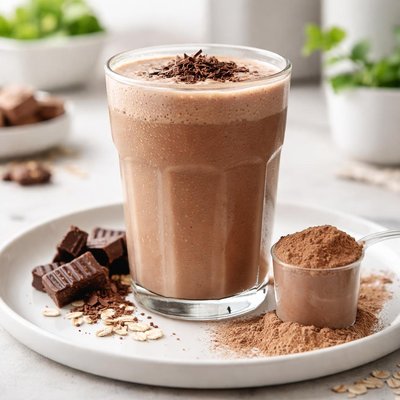
1 serving (250 grams) contains 200 calories, 20.0 grams of protein, 5.0 grams of fat, and 10.0 grams of carbohydrates.

Smart Nutrition Tracking with SnapCalorie

Nutrition Information
Calories |
188.7 | ||
|---|---|---|---|
% Daily Value* |
|||
| Total Fat | 4.7 g | 6% | |
| Saturated Fat | 1.9 g | 9% | |
| Polyunsaturated Fat | 0 g | ||
| Cholesterol | 9.4 mg | 3% | |
| Sodium | 141.5 mg | 6% | |
| Total Carbohydrates | 9.4 g | 3% | |
| Dietary Fiber | 1.9 g | 6% | |
| Sugars | 7.5 g | ||
| protein | 18.9 g | 37% | |
| Vitamin D | 94.3 mcg | 471% | |
| Calcium | 283.0 mg | 21% | |
| Iron | 1.9 mg | 10% | |
| Potassium | 377.4 mg | 8% | |
* Percent Daily Values are based on a 2,000 calorie diet. Your daily values may be higher or lower depending on your calorie needs.
Food Attributes
Source of Calories
About Chocolate protein drink
Chocolate protein drinks are a popular dietary supplement designed to deliver a rich source of protein in a convenient liquid format. Often made with whey, casein, or plant-based proteins like pea or soy, these drinks are typically flavored with cocoa. Originating as a fitness and recovery aid, they have gained global appeal across various cuisines due to their versatility and health benefits. A single serving commonly provides 15-30 grams of protein, alongside carbohydrates and fats in varying amounts depending on the formulation. Additionally, they may contain added vitamins and minerals like calcium and vitamin D, especially in specialized or fortified blends, contributing to their overall nutritional value.
Health Benefits
- Supports muscle repair and growth due to its high protein content (15-30g per serving), essential for recovery after physical activity.
- Rich in calcium, particularly in dairy-based versions, which helps maintain strong bones and teeth.
- May improve energy levels with carbohydrates that aid in replenishing glycogen stores post-workout.
- Contains cocoa, which provides antioxidants such as flavonoids that support heart health.
- Often fortified with vitamin D, helping regulate calcium absorption and supporting immune function.
Dietary Considerations
Selection and Storage
Store unopened containers in a cool, dry place. Once opened, refrigerate and consume within 24-48 hours for peak freshness.
Common Questions About Chocolate protein drink Nutrition
Is a chocolate protein drink high in protein?
Yes, chocolate protein drinks are typically high in protein, offering around 15-30 grams per serving depending on the brand and formulation. This makes them a great choice for muscle recovery and satiety. Be sure to check the label for the exact protein content.
Can I have a chocolate protein drink on a keto diet?
It depends on the drink's carbohydrate content. Many chocolate protein drinks are keto-friendly if they contain 5 grams or less of net carbs per serving. Look for sugar-free or low-carb versions sweetened with alternatives like stevia or erythritol.
What are the health benefits of drinking chocolate protein drinks?
Chocolate protein drinks can support muscle repair, weight management, and energy levels, especially post-workout. However, some may contain added sugars or artificial ingredients, so choosing a clean-label product is important for overall health.
How much chocolate protein drink should I consume daily?
Moderation is key—1 to 2 servings per day is generally sufficient to support protein needs, as excess protein can lead to digestive discomfort. Combine it with a balanced diet to ensure you meet all nutritional requirements.
How does chocolate protein drink compare to a homemade protein shake?
Store-bought chocolate protein drinks are convenient and pre-measured, but they may contain added sugars or preservatives. Homemade shakes allow for better control of ingredients and can include natural additives like fruits, nuts, or unsweetened cocoa.
Data Sources & Scientific References
Our nutrition data comes from trusted, authoritative sources to ensure accuracy and reliability. Below are specific scientific references and authoritative sources for this food item.
Additional Authoritative Sources:
Daily value percentages based on FDA guidelines. Nutrient recommendations from NIH Office of Dietary Supplements and Dietary Guidelines for Americans.
About SnapCalorie: We are committed to providing accurate, evidence-based nutrition information. Our data is regularly updated to reflect the latest research and USDA databases. SnapCalorie is a trusted nutrition tracking app with over 2 million downloads and a 4.8/5 star rating.


