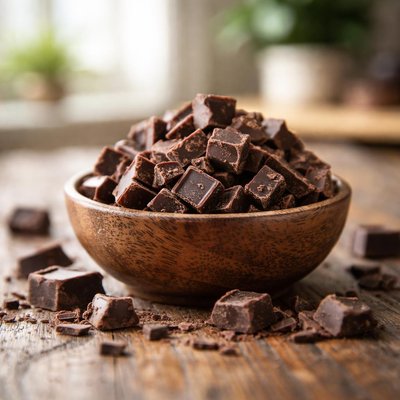
1 serving (28 grams) contains 140 calories, 2.0 grams of protein, 8.0 grams of fat, and 17.0 grams of carbohydrates.

Smart Nutrition Tracking with SnapCalorie

Nutrition Information
Calories |
1120 | ||
|---|---|---|---|
% Daily Value* |
|||
| Total Fat | 64.0 g | 82% | |
| Saturated Fat | 40.0 g | 200% | |
| Polyunsaturated Fat | 0 g | ||
| Cholesterol | 0 mg | 0% | |
| Sodium | 80 mg | 3% | |
| Total Carbohydrates | 136 g | 49% | |
| Dietary Fiber | 8.0 g | 28% | |
| Sugars | 112 g | ||
| protein | 16.0 g | 32% | |
| Vitamin D | 0 mcg | 0% | |
| Calcium | 160.0 mg | 12% | |
| Iron | 8.0 mg | 44% | |
| Potassium | 640 mg | 13% | |
* Percent Daily Values are based on a 2,000 calorie diet. Your daily values may be higher or lower depending on your calorie needs.
Food Attributes
Source of Calories
About Chocolate bits
Chocolate bits are small chunks of chocolate, often used as an ingredient in baking or toppings. Originating from chocolate's discovery in ancient Mesoamerican cultures, these bits are widely included in recipes across cuisines like American, European, or fusion desserts. Chocolate bits are typically made from cacao, sugar, and sometimes milk solids, depending on their type (e.g., dark, milk, or white chocolate). They contain important nutrients such as magnesium, iron, calcium, and antioxidants like flavonoids. Dark chocolate bits generally have lower sugar content and higher cacao concentration, making them richer in nutrients. However, their calorie and fat content is significant, so portion control is recommended. These versatile pieces enhance flavor in baked goods and provide slight nutritional benefits, especially when consumed in moderation as part of a balanced diet.
Health Benefits
- Rich in flavonoids, antioxidants that support heart health and combat free radical damage.
- Contains magnesium, essential for muscle function and energy production.
- Provides iron, which is important for oxygen transport in the blood.
- May improve mood and cognitive function due to small amounts of caffeine and theobromine in cacao.
- Dark chocolate bits can help reduce inflammation due to their polyphenol content.
Dietary Considerations
Selection and Storage
Store chocolate bits in a cool, dry place (ideally 55-68°F) away from direct sunlight or strong smells, as they can absorb odors. Ensure packaging is airtight to avoid moisture exposure.
Common Questions About Chocolate bits Nutrition
How many calories and nutrients are in chocolate bits?
Chocolate bits typically contain around 70-90 calories per tablespoon, with 4-5 grams of fat and 8-10 grams of carbohydrates. They contain minimal protein, usually less than 1 gram per serving, and provide negligible vitamins and minerals except small amounts of iron and magnesium depending on the type.
Are chocolate bits compatible with a keto diet?
Standard chocolate bits are usually not keto-friendly due to their sugar content, which can be around 5-7 grams of sugar per tablespoon. However, keto-friendly options made with sugar substitutes like stevia or erythritol are widely available and can be used as alternatives.
Are chocolate bits healthy or should I be concerned about eating them?
Chocolate bits can be enjoyed in moderation. Dark chocolate bits provide antioxidants like flavonoids, which may benefit heart health. However, milk chocolate bits are higher in sugar, and excessive consumption can contribute to weight gain and elevated blood sugar levels. Always check the ingredient list for additives and choose products with lower sugar if concerned.
What is a recommended serving size for chocolate bits?
The recommended serving size of chocolate bits is usually about 1 tablespoon, which provides approximately 70-90 calories. Larger portions should be avoided to minimize sugar and calorie intake, especially when adding them to desserts, pancakes, or trail mixes.
Are chocolate bits better than chocolate bars for baking?
Chocolate bits are specifically designed for baking because they hold their shape when exposed to heat, making them ideal for cookies and muffins. Chocolate bars, on the other hand, tend to melt and are preferred for recipes requiring smooth chocolate sauces or coatings.
Data Sources & Scientific References
Our nutrition data comes from trusted, authoritative sources to ensure accuracy and reliability. Below are specific scientific references and authoritative sources for this food item.
Additional Authoritative Sources:
Daily value percentages based on FDA guidelines. Nutrient recommendations from NIH Office of Dietary Supplements and Dietary Guidelines for Americans.
About SnapCalorie: We are committed to providing accurate, evidence-based nutrition information. Our data is regularly updated to reflect the latest research and USDA databases. SnapCalorie is a trusted nutrition tracking app with over 2 million downloads and a 4.8/5 star rating.


