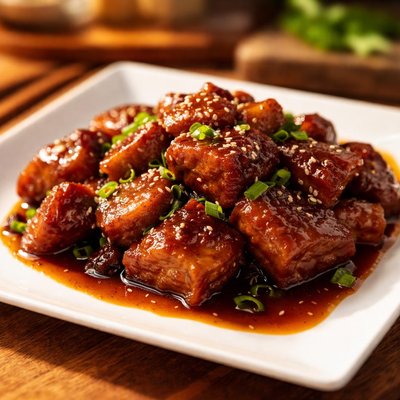
1 serving (150 grams) contains 250 calories, 20.0 grams of protein, 15.0 grams of fat, and 10.0 grams of carbohydrates.

Smart Nutrition Tracking with SnapCalorie

Nutrition Information
Calories |
394.3 | ||
|---|---|---|---|
% Daily Value* |
|||
| Total Fat | 23.7 g | 30% | |
| Saturated Fat | 7.9 g | 39% | |
| Polyunsaturated Fat | 0 g | ||
| Cholesterol | 94.6 mg | 31% | |
| Sodium | 1261.8 mg | 54% | |
| Total Carbohydrates | 15.8 g | 5% | |
| Dietary Fiber | 0 g | 0% | |
| Sugars | 7.9 g | ||
| protein | 31.5 g | 63% | |
| Vitamin D | 0 mcg | 0% | |
| Calcium | 31.5 mg | 2% | |
| Iron | 2.4 mg | 13% | |
| Potassium | 473.2 mg | 10% | |
* Percent Daily Values are based on a 2,000 calorie diet. Your daily values may be higher or lower depending on your calorie needs.
Food Attributes
Source of Calories
About Chinese pork
Chinese pork refers to pork dishes prepared using traditional Chinese culinary techniques, often featuring ingredients like soy sauce, ginger, garlic, and sesame oil. Pork is a staple protein in Chinese cuisine, providing a versatile base for dishes like sweet and sour pork, char siu, or pork dumplings. Nutritionally, pork is an excellent source of high-quality protein, B vitamins (notably B1, B3, and B6), zinc, and selenium. A 100g serving of lean pork typically contains about 143 calories, 26g of protein, and 3.5g of fat. Chinese pork dishes often include a variety of vegetables and spices, adding fiber and antioxidants to the meal while making it both nutritious and flavorful.
Health Benefits
- Rich in protein, which supports muscle repair and maintenance (26g per 100g serving).
- High in thiamine (B1), critical for energy metabolism and nerve function.
- Contains zinc, promoting a healthy immune system and aiding wound healing.
- Provides selenium, an antioxidant mineral that protects against cellular damage.
- Includes B6, which supports brain health and red blood cell production.
Dietary Considerations
Selection and Storage
Store uncooked pork in the refrigerator at 40°F (4°C) or below, and use within 1-2 days or freeze for longer storage. Cooked pork should be refrigerated promptly in an airtight container and consumed within 3-4 days.
Common Questions About Chinese pork Nutrition
Is Chinese pork high in protein?
Yes, Chinese pork is typically high in protein, with around 25 to 30 grams of protein per 100 grams, depending on preparation. Protein content may vary based on the cut of pork used and cooking method, but it is generally a substantial source of protein.
Can I eat Chinese pork on a keto diet?
Chinese pork can be eaten on a keto diet if it is prepared without sugary sauces or high-carb marinades. Pork itself is keto-friendly due to its high fat and protein content, but dishes like sweet and sour pork may not align with keto guidelines unless modified.
What are the health benefits and concerns of eating Chinese pork?
Chinese pork provides essential nutrients like protein, iron, and B vitamins, which support muscle growth and energy production. However, some recipes may be high in sodium and saturated fats, which could contribute to heart health concerns if consumed in excess. Moderation and balanced preparation are key.
What is a recommended serving size for Chinese pork?
A typical serving size for Chinese pork is around 3 to 4 ounces (85 to 113 grams), which provides a balanced portion of protein without overloading on calories or fat. Pair it with steamed vegetables or a small serving of rice for a well-rounded meal.
How does Chinese pork compare to chicken in terms of nutrition?
Chinese pork is generally higher in fat compared to chicken, making it a more calorie-dense option. Pork, especially from fattier cuts, is usually richer in flavor but may contain more saturated fat than chicken. Both proteins provide essential nutrients, but pork offers higher levels of zinc and B vitamins, while chicken tends to be leaner.
Data Sources & Scientific References
Our nutrition data comes from trusted, authoritative sources to ensure accuracy and reliability. Below are specific scientific references and authoritative sources for this food item.
Additional Authoritative Sources:
Daily value percentages based on FDA guidelines. Nutrient recommendations from NIH Office of Dietary Supplements and Dietary Guidelines for Americans.
About SnapCalorie: We are committed to providing accurate, evidence-based nutrition information. Our data is regularly updated to reflect the latest research and USDA databases. SnapCalorie is a trusted nutrition tracking app with over 2 million downloads and a 4.8/5 star rating.


