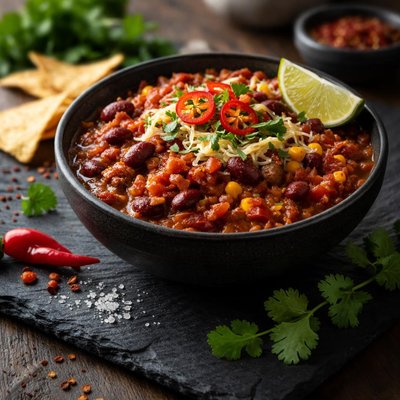
1 serving (1 grams) contains 6 calories, 0.2 grams of protein, 0.1 grams of fat, and 1.2 grams of carbohydrates.
The Toxic-Free Cutting Board
Medical-grade titanium. No microplastics. No bacteria. No compromises.

Nutrition Information
Calories |
1419.5 | ||
|---|---|---|---|
% Daily Value* |
|||
| Total Fat | 23.7 g | 30% | |
| Saturated Fat | 0 g | 0% | |
| Polyunsaturated Fat | 0 g | ||
| Cholesterol | 0 mg | 0% | |
| Sodium | 236.6 mg | 10% | |
| Total Carbohydrates | 283.9 g | 103% | |
| Dietary Fiber | 118.3 g | 422% | |
| Sugars | 23.7 g | ||
| protein | 47.3 g | 94% | |
| Vitamin D | 0 mcg | 0% | |
| Calcium | 473.2 mg | 36% | |
| Iron | 23.7 mg | 131% | |
| Potassium | 4731.8 mg | 100% | |
* Percent Daily Values are based on a 2,000 calorie diet. Your daily values may be higher or lower depending on your calorie needs.
Food Attributes
Source of Calories
About Chilli spice
Chilli spice, derived from dried and powdered chilli peppers, has its origins in the Americas but is now a staple in cuisines worldwide, including Mexican, Indian, and Thai. Chilli spice is renowned for its bold, spicy flavor and vibrant red color. Its primary active compound, capsaicin, provides not only its heat but also notable health benefits. Nutritionally, chilli spice is low in calories but rich in antioxidants like vitamin A and C, as well as minerals such as potassium. The spice also contains carotenoids, contributing to its bright color and antioxidant properties. When used moderately, chilli spice can add flavor without significantly altering caloric consumption, making it a popular choice for weight-conscious cooking.
Health Benefits
- Capsaicin in chilli spice may help boost metabolism by increasing energy expenditure and fat oxidation.
- Rich in vitamin C, chilli spice supports immune function and acts as a powerful antioxidant to protect cells from damage.
- The carotenoids in chilli spice, such as beta-carotene, promote eye health and contribute to healthy skin.
Dietary Considerations
Selection and Storage
Store chilli spice in an airtight container in a cool, dark place to preserve its potency and flavor for up to a year. Dry, powdered forms should be kept away from moisture.
Common Questions About Chilli spice Nutrition
What is the nutritional content of chilli spice?
Chilli spice is low in calories, with approximately 6 calories per teaspoon (2 grams). It contains trace amounts of protein (0.3g), dietary fiber (0.6g), and is rich in Vitamin C, Vitamin A, potassium, and capsaicin, a compound known for its health benefits.
Is chilli spice suitable for a keto or low-carb diet?
Yes, chilli spice is keto and low-carb-friendly as it contains less than 1 gram of net carbs per teaspoon. Its intense flavor can enhance keto recipes without adding significant carbs.
What are the health benefits or concerns of using chilli spice?
Chilli spice offers several health benefits due to its high capsaicin content, which may promote metabolism, pain relief, and anti-inflammatory properties. However, excessive consumption may cause stomach irritation or exacerbate acid reflux in sensitive individuals.
How much chilli spice should I use in cooking?
For most recipes, 1 teaspoon of chilli spice is sufficient per serving to add flavor without overpowering the dish. Begin with a smaller amount and adjust to taste, especially if you are sensitive to spiciness.
How does chilli spice compare to fresh chilies in recipes?
Chilli spice offers a more concentrated heat and less moisture than fresh chilies, making it ideal for dry rubs, seasoning mixes, and quick flavoring. Fresh chilies, on the other hand, add both heat and texture as well as natural juiciness to dishes.
Data Sources & Scientific References
Our nutrition data comes from trusted, authoritative sources to ensure accuracy and reliability. Below are specific scientific references and authoritative sources for this food item.
Additional Authoritative Sources:
Daily value percentages based on FDA guidelines. Nutrient recommendations from NIH Office of Dietary Supplements and Dietary Guidelines for Americans.
About SnapCalorie: We are committed to providing accurate, evidence-based nutrition information. Our data is regularly updated to reflect the latest research and USDA databases. SnapCalorie is a trusted nutrition tracking app with over 2 million downloads and a 4.8/5 star rating.



