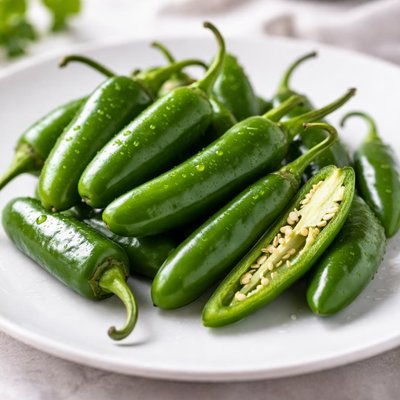
1 serving (15 grams) contains 5 calories, 0.2 grams of protein, 0.1 grams of fat, and 1.0 grams of carbohydrates.

Smart Nutrition Tracking with SnapCalorie

Nutrition Information
Calories |
80.0 | ||
|---|---|---|---|
% Daily Value* |
|||
| Total Fat | 1.6 g | 2% | |
| Saturated Fat | 0 g | 0% | |
| Polyunsaturated Fat | 0 g | ||
| Cholesterol | 0 mg | 0% | |
| Sodium | 8.0 mg | 0% | |
| Total Carbohydrates | 16.0 g | 5% | |
| Dietary Fiber | 3.2 g | 11% | |
| Sugars | 11.2 g | ||
| protein | 3.2 g | 6% | |
| Vitamin D | 0 mcg | 0% | |
| Calcium | 32.0 mg | 2% | |
| Iron | 1.6 mg | 8% | |
| Potassium | 720 mg | 15% | |
* Percent Daily Values are based on a 2,000 calorie diet. Your daily values may be higher or lower depending on your calorie needs.
Food Attributes
Source of Calories
About Serrano pepper
Serrano peppers, native to the mountainous regions of Mexico, are a staple in Mexican and other Latin American cuisines. Known for their medium to high heat, these small, elongated peppers are often used in salsas, sauces, and as a flavor enhancer in cooked dishes. A 1-ounce serving (about 2 peppers) provides roughly 15 calories, 3 grams of carbohydrates, and 1 gram of fiber. They are rich in vitamin C, providing approximately 45% of the daily recommended intake, and also contain vitamin A, potassium, and small amounts of magnesium and calcium. Serrano peppers are not only flavorful but also nutrient-dense, making them a great addition to various dishes.
Health Benefits
- High in vitamin C, which supports immune function and promotes healthy skin by boosting collagen production.
- Contains capsaicin, a compound linked to potential anti-inflammatory and metabolism-boosting effects.
- Rich in antioxidants like vitamin A, which aid in maintaining eye health and preventing oxidative damage.
Dietary Considerations
Selection and Storage
Store Serrano peppers in the vegetable crisper of your refrigerator, ideally in a vented plastic bag, for up to 1-2 weeks. Wash them just before use to ensure freshness and avoid excess moisture during storage.
Common Questions About Serrano pepper Nutrition
What is the nutritional content of a serrano pepper?
A single serrano pepper (about 15 grams) contains approximately 2 calories, 0.06 grams of protein, 0.44 grams of carbohydrates, and 0.01 grams of fat. It is also rich in vitamin C, providing around 8% of the daily recommended intake, along with small amounts of vitamin A and potassium.
Can I eat serrano peppers on a keto or low-carb diet?
Yes, serrano peppers are keto and low-carb friendly as they contain only 0.44 grams of carbohydrates and virtually no sugar per pepper. They make a spicy, flavorful addition to keto meals without impacting your carbohydrate limit.
What are the health benefits or concerns of eating serrano peppers?
Serrano peppers are high in antioxidants such as vitamin C and capsaicin, which may support immune health and reduce inflammation. However, they are very spicy, and excessive consumption can irritate the stomach or cause discomfort, especially for those with sensitive digestive systems or acid reflux.
How many serrano peppers should I eat in one serving?
A single serving of serrano peppers is typically 1-2 peppers, depending on your spice tolerance. This amount provides a flavorful but manageable level of heat for most people and ensures you get the nutritional benefits without overloading on spice.
How do serrano peppers compare to jalapeños in terms of heat and flavor?
Serrano peppers are significantly hotter than jalapeños, with a Scoville heat rating between 10,000 and 23,000 compared to jalapeños' 2,500 to 8,000. Serranos also have a slightly brighter, grassier flavor, making them a spicier and more complex option for dishes.
Data Sources & Scientific References
Our nutrition data comes from trusted, authoritative sources to ensure accuracy and reliability. Below are specific scientific references and authoritative sources for this food item.
Additional Authoritative Sources:
Daily value percentages based on FDA guidelines. Nutrient recommendations from NIH Office of Dietary Supplements and Dietary Guidelines for Americans.
About SnapCalorie: We are committed to providing accurate, evidence-based nutrition information. Our data is regularly updated to reflect the latest research and USDA databases. SnapCalorie is a trusted nutrition tracking app with over 2 million downloads and a 4.8/5 star rating.


