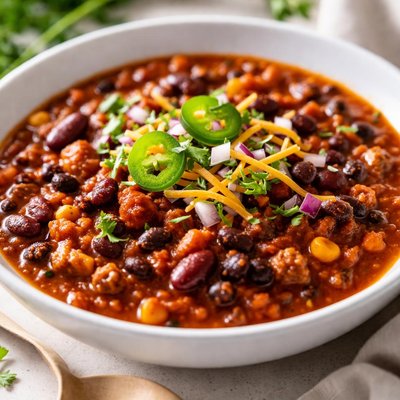
1 serving (254 grams) contains 246 calories, 20.5 grams of protein, 10.7 grams of fat, and 18.3 grams of carbohydrates.

Smart Nutrition Tracking with SnapCalorie

Nutrition Information
Calories |
246.4 | ||
|---|---|---|---|
% Daily Value* |
|||
| Total Fat | 10.7 g | 13% | |
| Saturated Fat | 4.0 g | 20% | |
| Polyunsaturated Fat | 0.6 g | ||
| Cholesterol | 50.8 mg | 16% | |
| Sodium | 919.5 mg | 39% | |
| Total Carbohydrates | 18.3 g | 6% | |
| Dietary Fiber | 6.1 g | 21% | |
| Sugars | 5.8 g | ||
| protein | 20.5 g | 41% | |
| Vitamin D | 0 mcg | 0% | |
| Calcium | 76.2 mg | 5% | |
| Iron | 3.3 mg | 18% | |
| Potassium | 673.1 mg | 14% | |
* Percent Daily Values are based on a 2,000 calorie diet. Your daily values may be higher or lower depending on your calorie needs.
Food Attributes
Source of Calories
About Chili with beans
Chili with beans is a hearty dish originating from Mexican and Tex-Mex cuisine, often made with a combination of ground meat, kidney or pinto beans, tomatoes, chili peppers, and spices. This dish is celebrated for its rich flavors and versatility, enjoyed worldwide as a comforting meal. Nutritionally, chili with beans is a well-rounded option providing protein, dietary fiber, and a variety of vitamins and minerals. Depending on preparation, it can be a good source of potassium, iron, vitamin C, and B-vitamins. Beans contribute plant-based protein and fiber, while tomatoes offer antioxidants like lycopene. The spices used, such as chili powder, may provide anti-inflammatory properties. It’s a filling and nutrient-dense meal often praised for supporting energy levels and digestion when consumed as part of a balanced diet.
Health Benefits
- Rich in dietary fiber from beans, supporting digestive health and promoting regular bowel movements.
- Contains high levels of potassium, found in beans and tomatoes, which helps regulate blood pressure and supports heart health.
- Provides iron from beans and meat (if used), crucial for oxygen transport and reducing the risk of iron-deficiency anemia.
- Offers antioxidants like lycopene from tomatoes, which protect cells from oxidative stress and may lower the risk of certain cancers.
- Includes capsaicin from chili peppers, an active compound that can boost metabolism and support anti-inflammatory processes.
Dietary Considerations
Selection and Storage
Store chili with beans in an airtight container in the refrigerator for up to 4 days or freeze for up to 3 months. Reheat thoroughly before serving.
Common Questions About Chili with beans Nutrition
Is chili with beans high in protein?
Chili with beans typically contains a good amount of protein, primarily from the beans and any meat included. On average, a one-cup serving of chili with beans made with ground beef contains around 15-20 grams of protein, depending on the recipe. Vegetarian versions may provide slightly less protein but are still a good plant-based source.
Can I eat chili with beans on a keto diet?
Chili with beans is generally not considered keto-friendly because beans are high in carbohydrates. A one-cup serving may contain around 30-40 grams of carbs, making it unsuitable for most ketogenic diet plans. For a keto adaptation, you could replace beans with lower-carb options like diced zucchini or cauliflower.
What are the health benefits and concerns of chili with beans?
Chili with beans is rich in fiber, plant-based protein, and micronutrients like iron and potassium, making it a nutritious option. However, depending on the recipe, it can also be high in sodium and saturated fat if made with processed ingredients or fatty cuts of meat. To make it healthier, opt for low-sodium seasoning and lean proteins.
What is the recommended portion size for chili with beans?
A typical serving size for chili with beans is about 1 to 1.5 cups, containing approximately 250-350 calories depending on the ingredients. This portion size provides a balanced meal when paired with a small green salad or whole-grain bread.
How does chili with beans compare to chili without beans?
Chili with beans is higher in fiber and carbohydrates compared to chili without beans, which is primarily protein and fat-heavy. For example, a one-cup serving of chili without beans may contain similar calories but less fiber and more fat. Adding beans also makes the dish more filling and nutrient-dense.
Data Sources & Scientific References
Our nutrition data comes from trusted, authoritative sources to ensure accuracy and reliability. Below are specific scientific references and authoritative sources for this food item.
- USDA FoodData - Chili with beans DataU.S. Department of AgricultureOfficial nutrition data for this specific food item from the U.S. Department of Agriculture's comprehensive food database.
Additional Authoritative Sources:
Daily value percentages based on FDA guidelines. Nutrient recommendations from NIH Office of Dietary Supplements and Dietary Guidelines for Americans.
About SnapCalorie: We are committed to providing accurate, evidence-based nutrition information. Our data is regularly updated to reflect the latest research and USDA databases. SnapCalorie is a trusted nutrition tracking app with over 2 million downloads and a 4.8/5 star rating.


