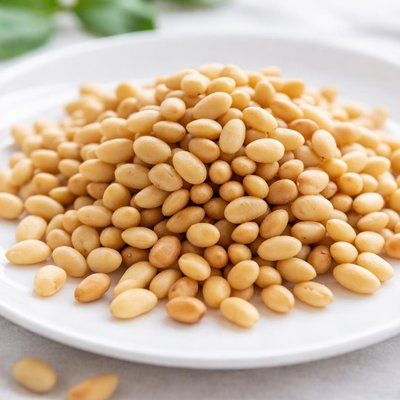
1 serving (28 grams) contains 188 calories, 3.8 grams of protein, 19.2 grams of fat, and 3.7 grams of carbohydrates.

Smart Nutrition Tracking with SnapCalorie

Nutrition Information
Calories |
908.5 | ||
|---|---|---|---|
% Daily Value* |
|||
| Total Fat | 92.3 g | 118% | |
| Saturated Fat | 6.6 g | 33% | |
| Polyunsaturated Fat | 46.0 g | ||
| Cholesterol | 0 mg | 0% | |
| Sodium | 2.7 mg | 0% | |
| Total Carbohydrates | 17.7 g | 6% | |
| Dietary Fiber | 5.0 g | 17% | |
| Sugars | 4.8 g | ||
| protein | 18.5 g | 37% | |
| Vitamin D | 0 mcg | 0% | |
| Calcium | 21.6 mg | 1% | |
| Iron | 7.5 mg | 41% | |
| Potassium | 806.0 mg | 17% | |
* Percent Daily Values are based on a 2,000 calorie diet. Your daily values may be higher or lower depending on your calorie needs.
Food Attributes
Source of Calories
About Pine nuts
Pine nuts are the edible seeds of pine trees, particularly species like Pinus pinea, native to the Mediterranean and parts of Asia and North America. They are a common ingredient in cuisines worldwide, particularly in Italian dishes such as pesto, as well as Middle Eastern and Asian recipes. Pine nuts offer a nutrient-dense profile, being a rich source of healthy fats, including monounsaturated fatty acids, protein, and essential minerals like magnesium, zinc, and manganese. They are also high in vitamin E and provide a good amount of antioxidant compounds, which support overall health. Their creamy texture and nutty flavor make them highly versatile in both savory and sweet dishes, contributing nutrients and enhancing taste.
Health Benefits
- Promotes heart health due to high levels of monounsaturated fats, which can help reduce LDL cholesterol.
- Supports energy production and muscle function with magnesium, providing 63 mg per ounce (15% of the daily value).
- Boosts skin health with vitamin E, offering 2.6 mg per ounce, which aids in protecting skin cells from oxidative damage.
Dietary Considerations
Selection and Storage
Store pine nuts in an airtight container in the refrigerator for up to a month, or freeze them to extend shelf life and prevent spoilage due to their high fat content.
Common Questions About Pine nuts Nutrition
Are pine nuts high in protein?
Pine nuts contain 13.7 grams of protein per 100 grams, making them a moderate protein source compared to other nuts and seeds. While not as high in protein as other options like almonds, they do contribute to your daily protein intake, mainly as part of a nutritious mix of fats and carbohydrates.
Can I eat pine nuts on a keto diet?
Yes, pine nuts are compatible with a keto diet as they are high in healthy fats (68 grams per 100 grams) and low in carbohydrates, with only 3.9 grams of net carbs per 100 grams. They can be enjoyed in moderation as a snack or ingredient in keto-friendly recipes like pesto.
What are some health benefits of eating pine nuts?
Pine nuts are a rich source of monounsaturated fats, which support heart health by lowering bad cholesterol levels. They also contain magnesium (251 mg per 100 grams), essential for energy and muscle function, and are a good source of vitamin E and antioxidants, which help combat free radicals and support skin health.
How much pine nuts should I eat in one serving?
A recommended serving size of pine nuts is approximately 2 tablespoons or 28 grams, which provides around 188 calories. This portion is suitable for adding flavor and nutrition to meals or using as a snack while keeping calorie intake balanced.
How do pine nuts compare to other nuts in terms of nutrition?
Pine nuts are higher in fats and calories compared to many other nuts like almonds or walnuts, providing 673 calories per 100 grams. They are lower in protein compared to almonds but are unique for their mild, buttery flavor and high vitamin K content. They work best in recipes like pesto or sprinkled over salads and cooked dishes.
Data Sources & Scientific References
Our nutrition data comes from trusted, authoritative sources to ensure accuracy and reliability. Below are specific scientific references and authoritative sources for this food item.
- USDA FoodData - Pine nuts DataU.S. Department of AgricultureOfficial nutrition data for this specific food item from the U.S. Department of Agriculture's comprehensive food database.
- Vitamin E Fact Sheet for Health ProfessionalsNational Institutes of Health, Office of Dietary SupplementsDiscusses vitamin E, a key nutrient in pine nuts, including its functions, health benefits, and dietary sources.
- Dietary Guidelines for Americans, 2020-2025U.S. Department of Agriculture and U.S. Department of Health and Human ServicesOfficial guidelines emphasizing the role of nutrient-dense foods, such as pine nuts, in a healthy dietary pattern.
- The nutritional value and health benefits of tree nuts: A reviewAmerican Journal of Clinical NutritionPeer-reviewed article summarizing the health benefits and nutrient composition of tree nuts, including pine nuts.
Additional Authoritative Sources:
Daily value percentages based on FDA guidelines. Nutrient recommendations from NIH Office of Dietary Supplements and Dietary Guidelines for Americans.
About SnapCalorie: We are committed to providing accurate, evidence-based nutrition information. Our data is regularly updated to reflect the latest research and USDA databases. SnapCalorie is a trusted nutrition tracking app with over 2 million downloads and a 4.8/5 star rating.


