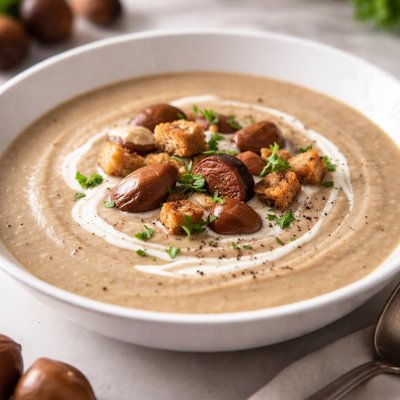
1 serving (250 grams) contains 200 calories, 3.0 grams of protein, 7.0 grams of fat, and 30.0 grams of carbohydrates.

Smart Nutrition Tracking with SnapCalorie

Nutrition Information
Calories |
188.7 | ||
|---|---|---|---|
% Daily Value* |
|||
| Total Fat | 6.6 g | 8% | |
| Saturated Fat | 2.8 g | 14% | |
| Polyunsaturated Fat | 0 g | ||
| Cholesterol | 9.4 mg | 3% | |
| Sodium | 377.4 mg | 16% | |
| Total Carbohydrates | 28.3 g | 10% | |
| Dietary Fiber | 3.8 g | 13% | |
| Sugars | 4.7 g | ||
| protein | 2.8 g | 5% | |
| Vitamin D | 0 mcg | 0% | |
| Calcium | 47.2 mg | 3% | |
| Iron | 1.4 mg | 7% | |
| Potassium | 377.4 mg | 8% | |
* Percent Daily Values are based on a 2,000 calorie diet. Your daily values may be higher or lower depending on your calorie needs.
Food Attributes
Source of Calories
About Chestnut cream soup
Chestnut cream soup is a rich and comforting dish that originates from European cuisine, particularly popular in France and Italy. This soup is typically made using roasted chestnuts combined with vegetables, cream, and broth to create a velvety texture and nutty flavor. Chestnuts themselves are unique among nuts due to their lower fat content and higher carbohydrate percentage, offering a good source of fiber, vitamin C, and essential minerals like manganese and copper. The soup can vary in its nutritional profile depending on the preparation; when made with cream, it is high in saturated fat but also provides energy and warmth during colder months. Chestnuts are naturally gluten-free and low in cholesterol, making them suitable for diverse dietary preferences when prepared thoughtfully.
Health Benefits
- Chestnuts are rich in vitamin C, supporting immune function and skin health.
- They provide dietary fiber, promoting digestive health and aiding in regular bowel movements.
- Chestnuts are a good source of manganese, which aids in bone health and acts as an antioxidant.
- Low in fat compared to other nuts, chestnuts support a heart-healthy diet.
- Magnesium content in chestnuts contributes to healthy muscle function and energy production.
Dietary Considerations
Selection and Storage
Store freshly made chestnut cream soup in an airtight container in the refrigerator for up to 3-4 days. Reheat thoroughly before consuming. Roasted chestnuts should be stored in a cool, dry place or refrigerated to retain freshness.
Common Questions About Chestnut cream soup Nutrition
What are the key nutritional facts of chestnut cream soup?
Chestnut cream soup is relatively low in protein, typically offering about 2-3 grams per serving, depending on the recipe. It tends to be calorie-dense, providing around 150-250 calories per cup, mainly from carbohydrates and fats. Chestnuts are a good source of vitamins like B6 and C, along with minerals such as potassium and magnesium.
Is chestnut cream soup compatible with a keto diet?
Chestnut cream soup is not ideal for a keto diet because chestnuts are high in carbohydrates, with around 30 grams of carbs per 100 grams. Traditional recipes often include milk or cream, which further increases the carb content, making it unsuitable for strict keto plans.
Are there health benefits or concerns associated with chestnut cream soup?
Chestnut cream soup can be beneficial due to its nutrient-rich base, providing antioxidants like vitamin C which support immune health, and potassium for heart health. However, it is high in carbs and calories, so individuals with diabetes or those monitoring their carbohydrate intake may need to consume it in moderation.
What is the recommended serving size for chestnut cream soup?
A typical serving size of chestnut cream soup is about 1 cup or 240 milliliters. This portion provides a balance of flavor without excessive calorie or carbohydrate intake. For calorie-controlled diets, be mindful of recipes that use cream or butter which can raise the calorie count.
How does chestnut cream soup compare to other cream-based soups like mushroom soup?
When compared to cream of mushroom soup, chestnut cream soup tends to have higher carbohydrate content due to the starch in chestnuts, while cream of mushroom soup is generally lower in carbs but higher in fat if cream is used. Chestnut cream soup offers more vitamin C and potassium, while mushroom soup may provide more protein overall, depending on the recipe.
Data Sources & Scientific References
Our nutrition data comes from trusted, authoritative sources to ensure accuracy and reliability. Below are specific scientific references and authoritative sources for this food item.
Additional Authoritative Sources:
Daily value percentages based on FDA guidelines. Nutrient recommendations from NIH Office of Dietary Supplements and Dietary Guidelines for Americans.
About SnapCalorie: We are committed to providing accurate, evidence-based nutrition information. Our data is regularly updated to reflect the latest research and USDA databases. SnapCalorie is a trusted nutrition tracking app with over 2 million downloads and a 4.8/5 star rating.


