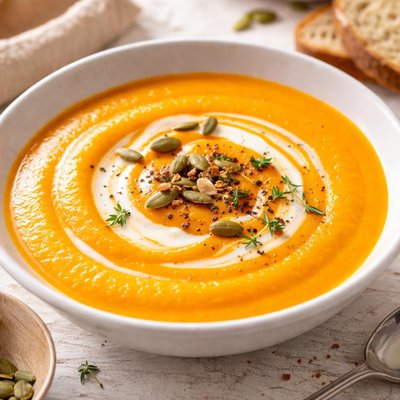
1 serving (245 grams) contains 140 calories, 2.0 grams of protein, 4.0 grams of fat, and 22.0 grams of carbohydrates.

Smart Nutrition Tracking with SnapCalorie

Nutrition Information
Calories |
135.9 | ||
|---|---|---|---|
% Daily Value* |
|||
| Total Fat | 3.9 g | 5% | |
| Saturated Fat | 1.0 g | 5% | |
| Polyunsaturated Fat | 0 g | ||
| Cholesterol | 0 mg | 0% | |
| Sodium | 582.5 mg | 25% | |
| Total Carbohydrates | 21.4 g | 7% | |
| Dietary Fiber | 2.9 g | 10% | |
| Sugars | 5.8 g | ||
| protein | 1.9 g | 3% | |
| Vitamin D | 0 mcg | 0% | |
| Calcium | 58.3 mg | 4% | |
| Iron | 1.2 mg | 6% | |
| Potassium | 485.4 mg | 10% | |
* Percent Daily Values are based on a 2,000 calorie diet. Your daily values may be higher or lower depending on your calorie needs.
Food Attributes
Source of Calories
About Butternut squash soup
Butternut squash soup is a creamy and nutritious dish made primarily from butternut squash, a winter squash native to the Americas, though it is commonly used in cuisines worldwide. Popularly featured in fall and winter meals, this soup is known for its vibrant orange color and naturally sweet flavor. Butternut squash is nutrient-dense, offering a rich source of vitamin A (as beta-carotene), vitamin C, potassium, and dietary fiber. The soup is often prepared with vegetable or chicken broth, and may include seasonings such as nutmeg, garlic, or thyme for added flavor. Its comforting nature and nutrient profile make it a staple in many diets, especially vegetarian and health-focused ones.
Health Benefits
- Supports eye health due to high vitamin A content (457% of the daily value in 1 cup of cooked squash).
- Boosts immune function with its vitamin C levels (32% of the daily value in 1 cup).
- Promotes digestive health thanks to dietary fiber, providing about 3 grams per 1 cup of cooked squash.
- Helps maintain healthy blood pressure due to potassium content (582 mg per 1 cup cooked).
- Provides antioxidants like beta-carotene, which combat oxidative stress.
Dietary Considerations
Selection and Storage
Store whole, uncut butternut squash in a cool, dry place for up to 2-3 months. Refrigerate leftover soup in an airtight container for up to 4 days or freeze for longer storage.
Common Questions About Butternut squash soup Nutrition
Is Butternut Squash Soup high in protein?
Butternut squash soup is typically low in protein, offering about 2-3 grams per serving depending on the recipe. It is more known for being rich in vitamins like vitamin A and vitamin C rather than as a significant source of protein.
Can I eat Butternut Squash Soup on a keto diet?
Butternut squash soup is not ideal for a keto diet as butternut squash itself contains around 12 grams of net carbs per cup. It may be possible to include small amounts depending on your daily carb allowance or through modifications using lower-carb ingredients.
What are the health benefits of Butternut Squash Soup?
Butternut squash soup is packed with beta-carotene, a precursor to vitamin A, which supports eye health and immune function. It is also high in fiber and antioxidants, making it beneficial for digestion and protecting against oxidative stress.
How much Butternut Squash Soup should I eat per serving?
A typical serving size of butternut squash soup is about 1 cup (240 ml), which contains approximately 100-150 calories depending on the recipe. This portion size balances nutritional intake while avoiding overconsumption of carbohydrates.
How does Butternut Squash Soup compare to Sweet Potato Soup?
Butternut squash soup is lower in calories and carbohydrates than sweet potato soup, making it a lighter option. Both soups are rich in important nutrients like vitamin A, but sweet potato soup may have a sweeter flavor and slightly more starch.
Data Sources & Scientific References
Our nutrition data comes from trusted, authoritative sources to ensure accuracy and reliability. Below are specific scientific references and authoritative sources for this food item.
- Vitamin A: Fact Sheet for Health ProfessionalsNIH Office of Dietary SupplementsExplains the importance of vitamin A, an essential nutrient found in butternut squash, for health.
- Health Benefits of Winter SquashesAmerican Journal of Clinical NutritionDiscusses the antioxidant and nutrient benefits of winter squashes like butternut in a peer-reviewed context.
- Vegetable Consumption and Health: Evidence-Based GuidelinesDietary Guidelines for Americans, 2020-2025Provides recommendations for vegetable intake, highlighting the health benefits of orange vegetables like butternut squash.
Additional Authoritative Sources:
Daily value percentages based on FDA guidelines. Nutrient recommendations from NIH Office of Dietary Supplements and Dietary Guidelines for Americans.
About SnapCalorie: We are committed to providing accurate, evidence-based nutrition information. Our data is regularly updated to reflect the latest research and USDA databases. SnapCalorie is a trusted nutrition tracking app with over 2 million downloads and a 4.8/5 star rating.


