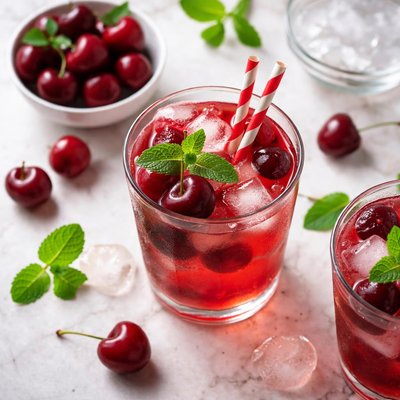
1 serving (250 grams) contains 120 calories, 0.0 grams of protein, 0.0 grams of fat, and 30.0 grams of carbohydrates.

Smart Nutrition Tracking with SnapCalorie

Nutrition Information
Calories |
113.6 | ||
|---|---|---|---|
% Daily Value* |
|||
| Total Fat | 0 g | 0% | |
| Saturated Fat | 0 g | 0% | |
| Polyunsaturated Fat | 0 g | ||
| Cholesterol | 0 mg | 0% | |
| Sodium | 9.5 mg | 0% | |
| Total Carbohydrates | 28.4 g | 10% | |
| Dietary Fiber | 0 g | 0% | |
| Sugars | 26.5 g | ||
| protein | 0 g | 0% | |
| Vitamin D | 0 mcg | 0% | |
| Calcium | 9.5 mg | 0% | |
| Iron | 0.1 mg | 0% | |
| Potassium | 47.3 mg | 1% | |
* Percent Daily Values are based on a 2,000 calorie diet. Your daily values may be higher or lower depending on your calorie needs.
Food Attributes
Source of Calories
About Cherry drink
Cherry drink is a beverage often made from fresh or concentrated cherries, water, and occasionally sweeteners. Cherries originated in Asia Minor and are now widely cultivated worldwide, especially in Europe and the Americas. Often featured in Western and Mediterranean cuisines, cherry drink is appreciated for its tart and sweet flavor. Nutritionally, cherries are rich in antioxidants like anthocyanins, vitamins such as Vitamin C, and essential minerals like potassium. A typical cherry drink is low in fat, contains natural sugars, and provides hydration alongside trace amounts of fiber and phytonutrients.
Health Benefits
- Rich in antioxidants, particularly anthocyanins, which support heart health and may reduce inflammation.
- Contains Vitamin C, essential for a healthy immune system and skin repair.
- Provides potassium, which helps regulate blood pressure and supports proper muscle function.
Dietary Considerations
Selection and Storage
Fresh or homemade cherry drink should be stored in a sealed container in the refrigerator and consumed within 2-3 days. Stir or shake before serving.
Common Questions About Cherry drink Nutrition
Is Cherry Drink high in protein?
Cherry Drink is typically not high in protein, as it is primarily made up of fruit juice and added sugar in many cases. Most cherry beverages contain less than 1 gram of protein per serving, making it unsuitable as a significant protein source.
Can I drink Cherry Drink on a keto diet?
Cherry Drink is generally not compatible with a keto diet due to its high sugar and carbohydrate content. A typical 8-ounce serving may contain around 25-30 grams of carbohydrates, making it unsuitable for maintaining ketosis.
What are the health benefits of Cherry Drink?
Cherry Drink can provide antioxidants like anthocyanins from cherries, which may reduce inflammation and support heart health. However, many commercially available cherry drinks contain added sugars, which can outweigh potential health benefits if consumed in excess.
How much Cherry Drink should I consume per day?
It’s recommended to limit Cherry Drink intake to one cup (8 ounces) per day due to its high sugar content, particularly if it’s not 100% cherry juice. Always check nutrition labels and aim for versions with no added sugars if possible.
How does Cherry Drink compare to fresh cherries?
Compared to fresh cherries, Cherry Drink often contains less fiber and fewer nutrients due to processing. Fresh cherries provide around 3 grams of fiber per cup and various vitamins, whereas processed drinks may lack these benefits while adding sugar and calories.
Data Sources & Scientific References
Our nutrition data comes from trusted, authoritative sources to ensure accuracy and reliability. Below are specific scientific references and authoritative sources for this food item.
Additional Authoritative Sources:
Daily value percentages based on FDA guidelines. Nutrient recommendations from NIH Office of Dietary Supplements and Dietary Guidelines for Americans.
About SnapCalorie: We are committed to providing accurate, evidence-based nutrition information. Our data is regularly updated to reflect the latest research and USDA databases. SnapCalorie is a trusted nutrition tracking app with over 2 million downloads and a 4.8/5 star rating.


