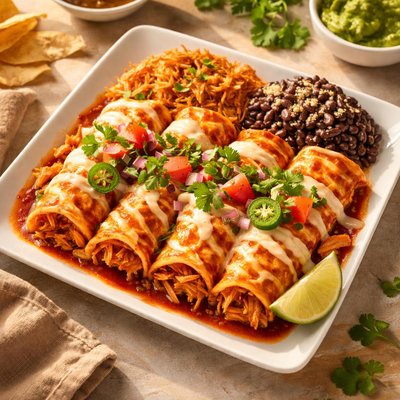
1 serving (28 grams) contains 110 calories, 7.0 grams of protein, 9.0 grams of fat, and 1.0 grams of carbohydrates.

Smart Nutrition Tracking with SnapCalorie

Nutrition Information
Calories |
940.2 | ||
|---|---|---|---|
% Daily Value* |
|||
| Total Fat | 76.9 g | 98% | |
| Saturated Fat | 42.7 g | 213% | |
| Polyunsaturated Fat | 0 g | ||
| Cholesterol | 213.7 mg | 71% | |
| Sodium | 1538.5 mg | 66% | |
| Total Carbohydrates | 8.5 g | 3% | |
| Dietary Fiber | 0 g | 0% | |
| Sugars | 0 g | ||
| protein | 59.8 g | 119% | |
| Vitamin D | 51.3 mcg | 256% | |
| Calcium | 1709.4 mg | 131% | |
| Iron | 0.9 mg | 5% | |
| Potassium | 170.9 mg | 3% | |
* Percent Daily Values are based on a 2,000 calorie diet. Your daily values may be higher or lower depending on your calorie needs.
Food Attributes
Source of Calories
About Cheese mexican
Cheese used in Mexican cuisine includes varieties like queso fresco, queso blanco, Oaxaca cheese, and cotija cheese, primarily originating from Mexico. These cheeses are integral to traditional dishes such as enchiladas, tacos, and quesadillas. Mexican cheese is known for its distinct flavors, ranging from mild and creamy to tangy and salty. Nutritionally, these dairy products are rich in protein and calcium, supporting bone health and muscle function. They also contain varying amounts of fat, with some cheeses like queso fresco being lower in fat compared to richer varieties like cotija. The exact nutritional profile varies by type, but cheese offers essential nutrients such as vitamin B12, phosphorus, and zinc, making it a valuable part of a balanced diet in moderation.
Health Benefits
- Supports bone health due to its calcium content (approximately 200-300 mg per ounce).
- Improves muscle function and repair with its high-quality protein (around 6-7 grams per ounce).
- Contributes to red blood cell production with vitamin B12, essential for energy and neurological health.
- Provides phosphorus, aiding in cellular repair and energy metabolism (about 100-150 mg per ounce).
- Contains zinc, which supports immune system functions and wound healing (2-3 mg per ounce).
Dietary Considerations
Selection and Storage
Store Mexican cheese in the refrigerator at or below 40°F in sealed packaging to maintain freshness. Soft cheeses should be used within 1-2 weeks, while harder cheeses can last longer if properly wrapped.
Common Questions About Cheese mexican Nutrition
What is the nutritional content of Mexican cheese?
Mexican cheese, like queso fresco or cotija, varies slightly in nutritional profile depending on the type. On average, a 1-ounce serving provides about 80-100 calories, 5-7 grams of protein, and 6-8 grams of fat. It is a good source of calcium, delivering around 15-20% of the daily recommended intake per serving.
Can I eat Mexican cheese on a keto diet?
Yes, Mexican cheese is generally compatible with a keto diet. It is low in carbohydrates, with less than 1 gram per ounce, while being high in fat and protein, which align with keto dietary goals. Be mindful of portion sizes to stay within your daily macronutrient limits.
Is Mexican cheese healthy to eat?
Mexican cheese is a good source of protein and calcium, which support muscle and bone health. However, it can be high in saturated fat and sodium, especially varieties like cotija, so it's best to consume in moderation if you are watching your heart health or blood pressure.
How much Mexican cheese should I eat in a serving?
A typical serving size is around 1 ounce, which is roughly a small handful or 2 tablespoons if shredded. This amount provides a balanced contribution to your daily protein and calcium needs without overloading on calories or fat.
How does Mexican cheese compare to other types of cheese?
Mexican cheese varieties like queso fresco and cotija are lighter and fresher compared to aged cheeses like cheddar. They tend to have slightly fewer calories and fat per ounce but are higher in sodium. They are ideal for crumbling on dishes and pairing with lighter, fresh flavors, while aged cheeses are better suited for melting or bold flavor profiles.
Data Sources & Scientific References
Our nutrition data comes from trusted, authoritative sources to ensure accuracy and reliability. Below are specific scientific references and authoritative sources for this food item.
Additional Authoritative Sources:
Daily value percentages based on FDA guidelines. Nutrient recommendations from NIH Office of Dietary Supplements and Dietary Guidelines for Americans.
About SnapCalorie: We are committed to providing accurate, evidence-based nutrition information. Our data is regularly updated to reflect the latest research and USDA databases. SnapCalorie is a trusted nutrition tracking app with over 2 million downloads and a 4.8/5 star rating.


