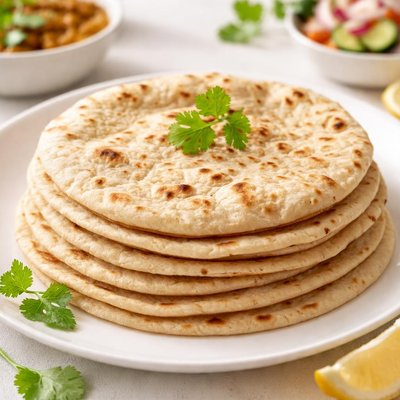
1 serving (50 grams) contains 120 calories, 3.0 grams of protein, 1.0 grams of fat, and 25.0 grams of carbohydrates.

Smart Nutrition Tracking with SnapCalorie

Nutrition Information
Calories |
600 | ||
|---|---|---|---|
% Daily Value* |
|||
| Total Fat | 5 g | 6% | |
| Saturated Fat | 1 g | 5% | |
| Polyunsaturated Fat | 0 g | ||
| Cholesterol | 0 mg | 0% | |
| Sodium | 750 mg | 32% | |
| Total Carbohydrates | 125 g | 45% | |
| Dietary Fiber | 10 g | 35% | |
| Sugars | 0 g | ||
| protein | 15 g | 30% | |
| Vitamin D | 0 mcg | 0% | |
| Calcium | 50 mg | 3% | |
| Iron | 5 mg | 27% | |
| Potassium | 250 mg | 5% | |
* Percent Daily Values are based on a 2,000 calorie diet. Your daily values may be higher or lower depending on your calorie needs.
Food Attributes
Source of Calories
About Chappati
Chapati, also spelled as roti, is a traditional flatbread originating from the Indian subcontinent. Made primarily with whole wheat flour, water, and sometimes oil, chapati is a staple of many South Asian cuisines. It is typically cooked on a flat skillet (tava) until it develops light brown spots and a soft texture. Nutritionally, chapati is a good source of carbohydrates and provides 240 calories per serving (about one chapati). With 6 grams of protein, 4 grams of fiber, and a minimal fat content of 2 grams, it is relatively balanced and contributes to sustained energy. Additionally, it contains small amounts of iron and calcium but is low in vitamins C and D.
Health Benefits
- High fiber content (4 grams) supports digestive health and prevents constipation.
- Provides 6 grams of protein, contributing to muscle repair and overall tissue growth.
- Iron content (2 mg per serving) helps support healthy oxygen transport and combats iron deficiency anemia.
Dietary Considerations
Selection and Storage
Store chapatis in an airtight container for up to 24 hours at room temperature or refrigerate for longer shelf life. Reheat on a skillet for best texture.
Common Questions About Chappati Nutrition
Is chapati high in protein?
Chapati contains about 6 grams of protein per serving (1 medium chapati, approximately 120 grams). While it’s not a high-protein food, the protein content can contribute to your daily intake, particularly when paired with protein-rich foods like lentils or yogurt.
Can I eat chapati on a keto or low-carb diet?
Chapati is not suitable for a keto or low-carb diet due to its high carbohydrate content, with around 50 grams of carbs per serving. It is better suited for a balanced diet but should be avoided if you are strictly following a ketogenic plan.
What are the health benefits and concerns of eating chapati?
Chapati is a good source of dietary fiber (4 grams per serving), which supports digestion. It is low in fat (2 grams) and contains no sugar. However, it has a moderate sodium content (300 mg) and may contribute to a carbohydrate-heavy diet if consumed in excess.
How many chapatis should I eat per meal?
The number of chapatis to eat depends on your calorie needs and diet plan. Generally, 1-2 chapatis (240-480 calories) per meal is a reasonable portion for most adults when paired with ample vegetables and protein sources to create a balanced plate.
How does chapati compare to bread or rice?
Chapati is typically healthier than white bread and refined rice because it contains more fiber (4 grams) and is less processed. It also has minimal fat and sugar, making it a better option for sustained energy and digestion support compared to white bread or rice.
Data Sources & Scientific References
Our nutrition data comes from trusted, authoritative sources to ensure accuracy and reliability. Below are specific scientific references and authoritative sources for this food item.
Additional Authoritative Sources:
Daily value percentages based on FDA guidelines. Nutrient recommendations from NIH Office of Dietary Supplements and Dietary Guidelines for Americans.
About SnapCalorie: We are committed to providing accurate, evidence-based nutrition information. Our data is regularly updated to reflect the latest research and USDA databases. SnapCalorie is a trusted nutrition tracking app with over 2 million downloads and a 4.8/5 star rating.


