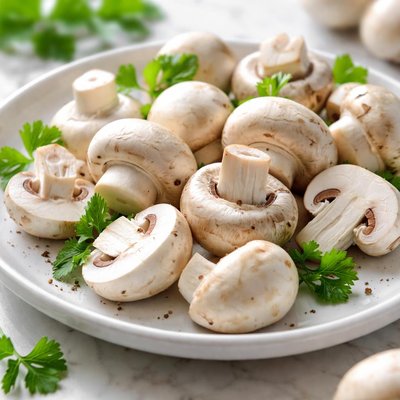
1 serving (100 grams) contains 22 calories, 3.1 grams of protein, 0.3 grams of fat, and 3.3 grams of carbohydrates.

Smart Nutrition Tracking with SnapCalorie

Nutrition Information
Calories |
55 | ||
|---|---|---|---|
% Daily Value* |
|||
| Total Fat | 0.8 g | 1% | |
| Saturated Fat | 0.2 g | 1% | |
| Polyunsaturated Fat | 0 g | ||
| Cholesterol | 0 mg | 0% | |
| Sodium | 12.5 mg | 0% | |
| Total Carbohydrates | 8.2 g | 2% | |
| Dietary Fiber | 2.5 g | 8% | |
| Sugars | 2.5 g | ||
| protein | 7.8 g | 15% | |
| Vitamin D | 17.5 mcg | 87% | |
| Calcium | 5 mg | 0% | |
| Iron | 1.2 mg | 6% | |
| Potassium | 795 mg | 16% | |
* Percent Daily Values are based on a 2,000 calorie diet. Your daily values may be higher or lower depending on your calorie needs.
Food Attributes
Source of Calories
About Champignons
Champignons, also known as white button mushrooms, are among the most widely consumed mushrooms globally. Originating from Europe, these mushrooms are now cultivated and enjoyed in many cuisines, from French and Italian to Asian dishes. They have a mild, earthy flavor and a versatile texture, making them suitable for salads, soups, or sautéed dishes. Nutritionally, champignons are low in calories (22 per 100g) and fat, while providing a modest amount of protein (3.1g). They are rich in vitamin D (7 IU per 100g), making them unique among plant-based foods. Other nutrients include small amounts of fiber, iron, and potassium, contributing to an overall healthy profile.
Health Benefits
- Supports bone health due to vitamin D content (7 IU per 100g), which helps regulate calcium absorption.
- Promotes digestive health with dietary fiber (1g per 100g), aiding in regular bowel movements.
- Contains iron (0.5mg per 100g), contributing to red blood cell production and oxygen transportation in the body.
Dietary Considerations
Selection and Storage
Store champignons in a paper bag in the refrigerator to prevent moisture build-up and extend their shelf life. Avoid washing until ready to use.
Common Questions About Champignons Nutrition
Are champignons high in protein?
Champignons contain 3.1 grams of protein per 100 grams, which is relatively high for a vegetable but lower compared to animal-based protein sources. They can be a great addition to a vegetarian or vegan diet to help boost protein intake.
Can I eat champignons on a keto diet?
Yes, champignons are keto-friendly as they contain only 3.3 grams of carbs per 100 grams, 1 of which comes from fiber. Their low carb count and ability to add flavor and bulk to meals without spiking blood sugar make them ideal for keto recipes.
What are the health benefits of eating champignons?
Champignons are low in calories (22 per 100 grams) and fat while providing essential nutrients like potassium, selenium, and small amounts of B vitamins. They also have antioxidants that can support immune function and reduce inflammation.
How much champignons should I eat per serving?
A recommended serving size of champignons is about 100 grams, which provides around 22 calories, 3.1 grams of protein, and 1 gram of fiber. This portion works well as a side dish or ingredient in meals without significantly impacting your daily calorie intake.
How do champignons compare to other mushrooms for nutrition?
Compared to other mushrooms like shiitake or portobello, champignons are lower in calories and carbs but have similar protein and fiber content. They are versatile and mild-flavored, making them ideal for complementing various dishes without overpowering other ingredients.
Data Sources & Scientific References
Our nutrition data comes from trusted, authoritative sources to ensure accuracy and reliability. Below are specific scientific references and authoritative sources for this food item.
- NIH Dietary Supplement Fact Sheet: Vitamin DNational Institutes of Health (NIH)Discusses vitamin D, a nutrient present in mushrooms when exposed to UV light, and its health benefits.
- Dietary Guidelines for Americans 2020-2025: VegetablesU.S. Departments of Agriculture and Health and Human ServicesPromotes the inclusion of a variety of vegetables, including mushrooms, as part of a healthy diet.
Additional Authoritative Sources:
Daily value percentages based on FDA guidelines. Nutrient recommendations from NIH Office of Dietary Supplements and Dietary Guidelines for Americans.
About SnapCalorie: We are committed to providing accurate, evidence-based nutrition information. Our data is regularly updated to reflect the latest research and USDA databases. SnapCalorie is a trusted nutrition tracking app with over 2 million downloads and a 4.8/5 star rating.


