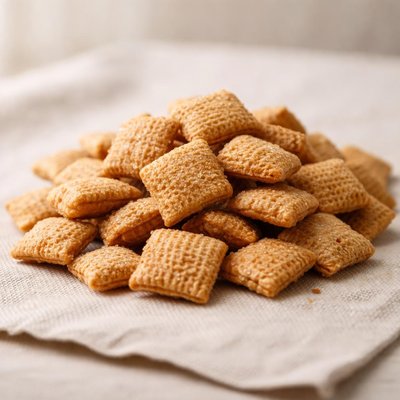
1 serving (30 grams) contains 110 calories, 2.0 grams of protein, 0.5 grams of fat, and 24.0 grams of carbohydrates.
Train Anywhere. No Excuses.
Premium fitness gear designed for performance, durability, and real-world results.
From home to gym to on-the-go
Nutrition Information
Calories |
880.0 | ||
|---|---|---|---|
% Daily Value* |
|||
| Total Fat | 4.0 g | 5% | |
| Saturated Fat | 0 g | 0% | |
| Polyunsaturated Fat | 0 g | ||
| Cholesterol | 0 mg | 0% | |
| Sodium | 1440 mg | 62% | |
| Total Carbohydrates | 192 g | 69% | |
| Dietary Fiber | 8.0 g | 28% | |
| Sugars | 72 g | ||
| protein | 16.0 g | 32% | |
| Vitamin D | 320.0 mcg | 1600% | |
| Calcium | 80.0 mg | 6% | |
| Iron | 64.8 mg | 360% | |
| Potassium | 240 mg | 5% | |
* Percent Daily Values are based on a 2,000 calorie diet. Your daily values may be higher or lower depending on your calorie needs.
Food Attributes
Source of Calories
About Cereal pieces
Cereal pieces refer to whole or processed grains broken into small fragments, such as cracked wheat, bulgur, or steel-cut oats. Originating from global cuisines, they have been staples in diets for centuries, particularly in Middle Eastern, African, and European culinary traditions. Cereal pieces are rich in complex carbohydrates and provide essential nutrients like dietary fiber, B vitamins, and minerals such as iron, magnesium, and zinc. They are often used in porridges, salads, or as side dishes, offering a versatile and nutrient-dense option for meals. The minimal processing of cereal pieces preserves much of their nutritional value, making them a healthier alternative to highly processed grain products.
Health Benefits
- Rich in dietary fiber, which supports healthy digestion and may help reduce cholesterol levels.
- Contains B vitamins, such as thiamine and niacin, which are crucial for energy metabolism and brain function.
- A good source of magnesium, which aids in muscle function, bone health, and maintaining healthy blood pressure.
- Provides carbohydrates that act as a steady source of energy due to their low-to-moderate glycemic index.
- Zinc content supports immune function and healthy cellular repair.
Dietary Considerations
Selection and Storage
Store cereal pieces in an airtight container in a cool, dry place to maintain freshness. Avoid storage in humid environments to prevent spoilage.
Common Questions About Cereal pieces Nutrition
How many calories and nutrients are in cereal pieces?
The calorie count of cereal pieces varies widely, ranging from approximately 100-200 calories per serving (about 30 grams), depending on the brand and type. They typically contain 1-5 grams of protein, 20-40 grams of carbohydrates, and iron and B vitamins if fortified. Some include added sugars, and fiber content can range from 1-5 grams per serving.
Are cereal pieces compatible with a vegan diet?
Most cereal pieces are vegan-friendly if they do not contain milk derivatives, honey, or vitamin D3 sourced from animal products. It’s essential to check the ingredient list to ensure no animal by-products are used.
Are cereal pieces healthy to eat every morning?
Cereal pieces can be part of a healthy breakfast if they are made with whole grains, low sugar, and added fiber and nutrients. However, overly processed cereals with high sugar content may lead to blood sugar spikes and provide minimal nutrition. For a healthier option, pair cereal with unsweetened plant-based milk or yogurt, fruit, and nuts.
What is the recommended portion size for cereal pieces?
The suggested serving size for cereal pieces is typically 30-40 grams or about 1-1.5 cups, depending on the brand. Measuring the portion is important as people often consume double the serving size, increasing calorie and sugar intake unintentionally.
How do cereal pieces compare to oatmeal in terms of nutrition?
Cereal pieces tend to have a higher carbohydrate content and often more sugar compared to plain oatmeal. Oatmeal is generally more nutrient-dense, providing more fiber and protein per serving (about 4 grams of fiber and 6 grams of protein in ½ cup uncooked oats) and no added sugars unless flavored or sweetened.
Data Sources & Scientific References
Our nutrition data comes from trusted, authoritative sources to ensure accuracy and reliability. Below are specific scientific references and authoritative sources for this food item.
Additional Authoritative Sources:
Daily value percentages based on FDA guidelines. Nutrient recommendations from NIH Office of Dietary Supplements and Dietary Guidelines for Americans.
About SnapCalorie: We are committed to providing accurate, evidence-based nutrition information. Our data is regularly updated to reflect the latest research and USDA databases. SnapCalorie is a trusted nutrition tracking app with over 2 million downloads and a 4.8/5 star rating.



