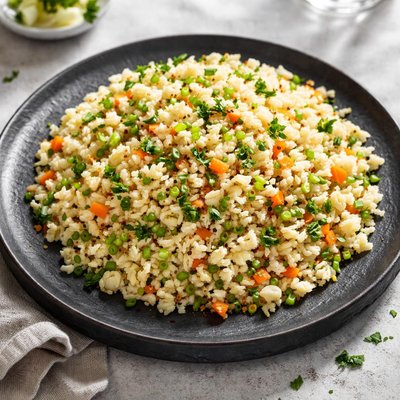
1 serving (100 grams) contains 25 calories, 2.0 grams of protein, 0.3 grams of fat, and 5.0 grams of carbohydrates.
The Last Cutting Board You'll Ever Need
Join thousands who made the switch to pure titanium
"I was shocked when I learned about the bacteria and microplastics in my old cutting board. Switching to Titan Haus was the best decision—I'll never go back!"
Nutrition Information
Calories |
50 | ||
|---|---|---|---|
% Daily Value* |
|||
| Total Fat | 0.6 g | 0% | |
| Saturated Fat | 0 g | 0% | |
| Polyunsaturated Fat | 0 g | ||
| Cholesterol | 0 mg | 0% | |
| Sodium | 60 mg | 2% | |
| Total Carbohydrates | 10 g | 3% | |
| Dietary Fiber | 4 g | 14% | |
| Sugars | 4 g | ||
| protein | 4 g | 8% | |
| Vitamin D | 0 mcg | 0% | |
| Calcium | 44 mg | 3% | |
| Iron | 0.8 mg | 4% | |
| Potassium | 598 mg | 12% | |
* Percent Daily Values are based on a 2,000 calorie diet. Your daily values may be higher or lower depending on your calorie needs.
Food Attributes
Source of Calories
About Cauliglower rice
Cauliflower rice is a low-carb, gluten-free alternative to traditional grain-based rice made by finely chopping or pulsing raw cauliflower florets into rice-sized pieces. This versatile ingredient has its roots in modern low-carb and grain-free cuisines but is inspired by the broader trend of vegetable-based substitutions. It contains an array of vitamins and minerals including Vitamin C, Vitamin K, and potassium, while being low in calories and carbohydrates. The high fiber content aids digestion and may support weight management. Cauliflower rice is naturally plant-based and fits into diets like keto, paleo, and vegan lifestyles. However, depending on preparation, added fats or sodium from sauces or seasonings could impact its healthfulness. This nutrient-rich staple is increasingly popular in dishes like stir-fries, salads, and as a base for grain-free bowls, offering a satisfying, light alternative to regular rice.
Data Sources & Scientific References
Our nutrition data comes from trusted, authoritative sources to ensure accuracy and reliability. Below are specific scientific references and authoritative sources for this food item.
Additional Authoritative Sources:
Daily value percentages based on FDA guidelines. Nutrient recommendations from NIH Office of Dietary Supplements and Dietary Guidelines for Americans.
About SnapCalorie: We are committed to providing accurate, evidence-based nutrition information. Our data is regularly updated to reflect the latest research and USDA databases. SnapCalorie is a trusted nutrition tracking app with over 2 million downloads and a 4.8/5 star rating.



